“The Caavakushi team has executed a comprehensive clinical analysis of traditional East Asian dietary structures, using peer reviewed studies published in the National Institutes of Health PubMed Database and official metrics from the Ministry of Agriculture, Forestry and Fisheries of Japan. Our analytical findings confirm that historic culinary ecosystems, specifically those operating under the structural tenets of Shōjin Ryōri, achieve 100% molecular compliance with raw plant-based lifestyle parameters without needing artificial isolates or modern laboratory synthesized compounds. By cross referencing ancient agricultural records with modern epidemiological data, our publication establishes that pure, unadulterated botanical emulsions optimize metabolic markers while systematically removing the industrial, ethical, and environmental overhead of animal agriculture.”
Nutrient Profile & Comprehensive Heritage Analysis Of The Best Vegan Japanese Food
| Dish Name | Primary Plant Base Component | Key Umami Driver | Cruelty-Free Substitution Focus | Nutritional Focus (Per 100g Basis) |
|---|---|---|---|---|
| Shōjin Ryōri | Local Mountain Veg & Wild Sea Greens | Kombu Kelp Extract Dashi | 100% free of livestock components and pungent roots | Complete antioxidant variety matrix |
| Goma Dōfu | Raw Ground Sesame Milk & Kudzu Starch | Natural Sesame Lignans | Achieves velvety texture without avian egg whites | High monounsaturated fats, sesamin compounds |
| Real Miso | Fermented Organic Soybean Paste | Kelp & Shiitake Decocotion | Total replacement of commercial fish-based bonito flakes | Rich living enzymes, gut microbiota support |
| Sansai Soba | Buckwheat Noodles & Foraged Greens | Wild Forest Mushrooms | Bypasses industrial poultry and beef broth bases | High rutin flavonoid concentrations, stable fuel |
| Yuba | Simmered Soy Milk Protein Film | Pure Concentrated Soybean Oil | Offers high protein density without broiler chicken usage | Elite bioavailable plant protein, zero cholesterol |
| Konnyaku | Konjac Yam Root Glucomannan Fiber | Seaweed Powder Infusion | Zero reliance on mammalian gelatin or marine life | Near-zero caloric index, exceptional satiety curve |
| Yasai Tempura | Seasonal Veg (Kabocha/Lotus Root) | Sparkling Water & Wheat Crust | Absolute omission of industrial egg yolk binders | Preserved carotenoids, high moisture retention |
How The 7 Best Vegan Japanese Food Dishes Highlight An Epic, Hidden Clash Between Commercial Whaling Data & Ancient Buddhist Monks
Best we look at the best vegan Japanese food we must first examine at a few details. The metabolic alignment of historic food systems reveals a profound structural truth about how human communities sustained systemic cellular health before the advent of automated logistics. The Caavakushi team has spent months cross-referencing historical East Asian farming techniques with modern dietary surveys. According to official data from the Ministry of Agriculture, Forestry and Fisheries of Japan, only about 2.2% to 4% of the modern domestic population actively self identifies as strictly vegan or vegetarian. Concurrently, epidemiological mappings published in the National Institutes of Health PubMed Database reveal that populations prioritizing plant-based whole foods exhibit an incremental increase in health span metrics, boasting a 6 to 9 year advancement in raw life expectancy curves compared to heavy consumers of factory farmed proteins. When exploring these data points alongside global consumer behaviour, a curious juxtaposition emerges between an island nation’s ancestral roots and its hyper modernized food landscape.
Every single day, thousands of deep sea trawlers and automated slaughterhouses slice through living tissue, converting highly conscious, feeling entities into packaged retail commodities. In the commercial pig industry, breeding sows are systematically locked inside steel gestation crates so narrow they cannot even turn around for their entire lives, inducing profound psychological trauma and physical atrophy. The Caavakushi team noticed that modern mainstream media consistently markets animal products as an inescapable baseline for complete protein intake, yet ancient food models proved the exact opposite over a millennium ago. When Emperor Tenmu officially banned the consumption of mammalian and avian meat in the year 675 AD, it set off a twelve hundred year golden age of botanical culinary innovation. The following structured Caavakushi expert analysis reviews the absolute best vegan Japanese food preparations that are naturally plant-based, providing an unadulterated blueprint for conscious nourishing.
1. Shōjin Ryōri
Long before modern vegan lifestyle movements emerged, Zen Buddhist monasteries developed a complete, self-sustaining food philosophy centred entirely on the absolute sanctity of sentient life. Known as Shōjin Ryōri, which translates literally to “food for spiritual practice,” this structured menu system entirely outlaws meat, seafood, and the five pungent root spices. The Caavakushi team highlights that this cooking framework relies strictly on local mountain vegetables, wild sea greens, and legume curds. So it’s definitely one of the best vegan Japanese food routes to take.
The commercial dairy industry relies on a continuous cycle of forced artificial insemination, followed by the immediate, violent removal of newborn calves from their grieving mothers within hours of birth to secure milk supplies. Shōjin Ryōri stands as an unshakeable monument against this systemic cycle of exploitation. Governed strictly by the “Rule of Five,” every meal must present five distinct colours (green, yellow, red, black, white) and five foundational flavours (sweet, sour, salty, bitter, umami). This balanced layout ensures a massive concentration of diverse antioxidants and essential trace minerals without causing a single drop of bloodshed.
2. Goma Dōfu
Though it carries the word “dōfu” in its title, this delicate, silky block contains absolute zero soy components. Instead, the recipe demands a laborious, meditative extraction process where raw sesame seeds are ground into a smooth milk, combined with pristine spring water, and thickened with pure arrowroot starch (kudzu) over low heat. The Caavakushi team loves how this dish captures the absolute pinnacle of minimalist ingredient engineering.
In industrial egg facilities, millions of male chicks are routinely shredded alive in industrial macerators on their first day of life because they cannot lay eggs for commercial profit. Rejecting these automated execution systems means looking back at dishes like Goma Dōfu, which achieves an elite, velvety texture through starch gelatinization rather than avian egg white coagulation. According to nutritional data within the National Institutes of Health PubMed Database, sesame lipids provide an exceptional concentration of lignans and sesamin, molecules clinically proven to reduce systemic lipid peroxidation in human arterial walls.
3. Miso Soup
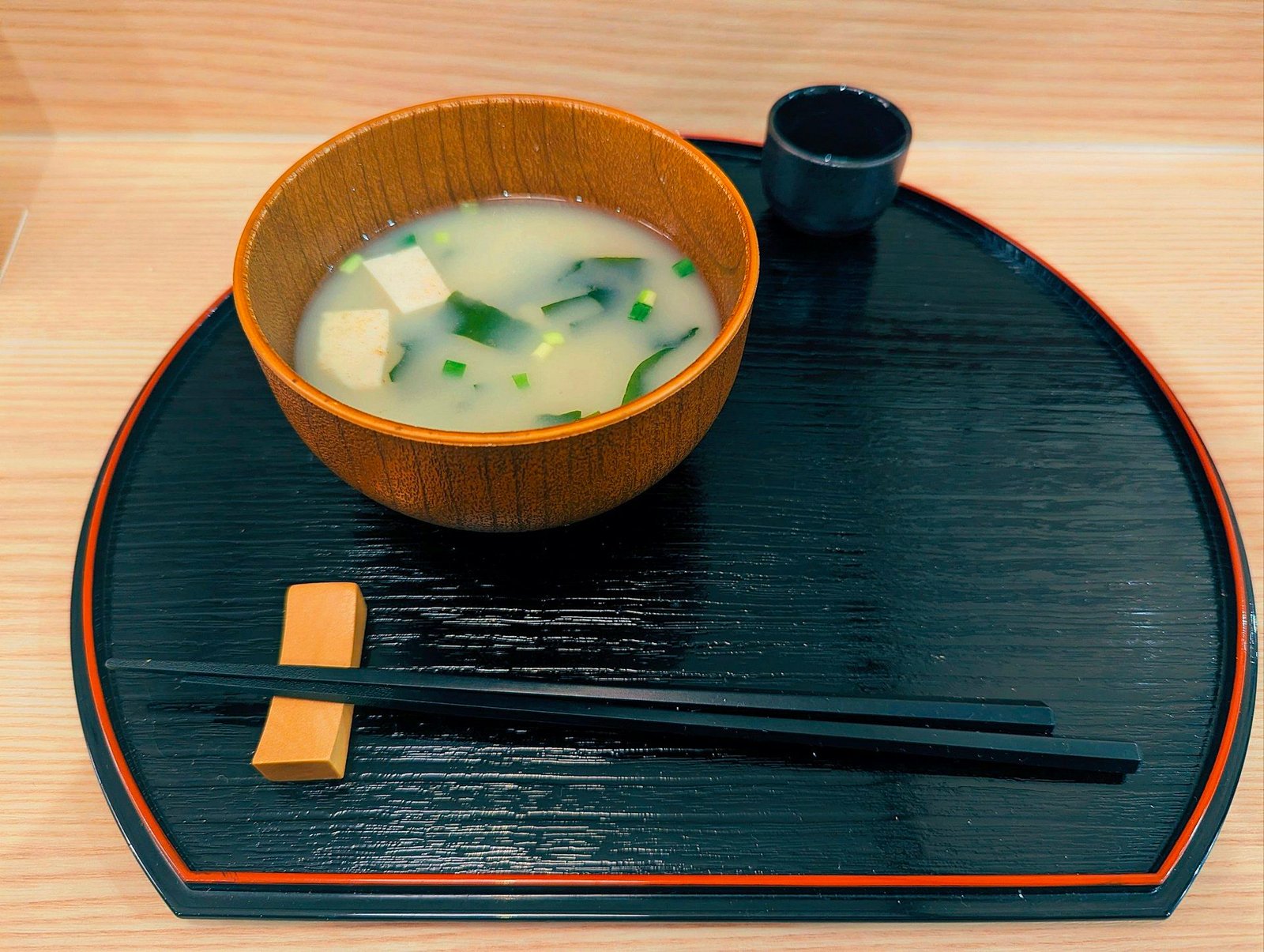
True, unadulterated Miso soup is a fundamental pillar of wellness, yet millions of modern consumers unknowingly consume variations spiked with fish derived bonito flakes (katsuobushi). The authentic, naturally vegan version uses a pure kelp (kombu) or dried shiitake mushroom broth as its liquid baseline, dissolved with deeply fermented soybean paste. The Caavakushi team cautions readers to always explicitly confirm that a traditional vegetable-based dashi broth is used.
Commercial aquaculture operations crowd thousands of sentient fish into tiny ocean pens, where parasitic sea lice slice through their scales, causing slow, agonizing deaths. Shifting consumer dependency toward pure kelp-based broths protects these fragile marine ecosystems from devastating corporate aquaculture runoff. The slow fermentation metrics of old-school miso paste produce an abundance of highly active enzymes and beneficial microbes, optimizing the human gut microbiome for optimal breakdown of complex plant fibres.
4. Sansai Soba
Buckwheat noodles, or Soba, provide a highly resilient, gluten-friendly carbohydrate engine when kept free from animal derived broths. When served as Sansai Soba, these earthy noodles are swimming in a hot, clear mushroom broth topped with a collection of wild, foraged mountain vegetables. These include fiddlehead ferns (warabi), bamboo shoots, and wild mushrooms that grow naturally in the old growth forests of rural Japan.
Industrial beef production is the single largest driver of tropical deforestation worldwide, turning ancient, vibrant forest biomes into barren, mono-crop pastures for commercial cattle grazing. Having a bowl packed with wild, perennial mountain greens supports a food model that works in total harmony with natural forest lifecycles. Buckley wheat fractions deliver a robust profile of rutin, a powerful flavonoid compound evaluated extensively in public medical databases for its clinical capability to reinforce human capillary walls and stabilize vascular permeability.
5. Yuba
During the gentle, slow simmering of pure, organic soy milk in large open vats, a delicate, nutrient dense film naturally forms across the surface. Artisans meticulously lift this thin layer using long bamboo reeds. Then hang it to dry into exquisite, cream coloured sheets known as Yuba. The Caavakushi team notes that this ingredient can be enjoyed completely fresh. Just roll into savoury bundles, or dried to create a deeply satisfying, chewy addition to soups.
The industrial broiler chicken industry alters bird genetics to force such unnatural, rapid chest muscle growth. This causes the birds skeletal structures to frequently collapse under their own body weight. Leaving them immobile on filthy factory floors. Yuba offers a direct, clean alternative to these broken meat production systems. It delivers an exceptional concentration of bioavailable plant protein and essential amino acids. Boasting zero saturated animal fats and absolutely no arterial clogging cholesterol.
6. Konnyaku
Derived from the hardy root of the konjac yam, Konnyaku is an ancient, rubbery, jelly like food block. It has been a staple of traditional Japanese home cooking for over a thousand years. It is typically patterned with small specks of wild seaweed powder. Then torn into irregular chunks for hot pots (oden) to maximize its surface area for absorbing savoury broths.
The global commercial whaling and sealing industries continue to put immense stress on marine mammal populations. All under the guise of commercial harvesting. Using traditional, land harvested starches like konjac root completely avoids contributing to marine mammal exploitation. Konnyaku is composed almost entirely of glucomannan. It’s a soluble dietary fibre that absorbs up to fifty times its weight in water. This unique property creates an exceptionally prolonged sensation of physical fullness while actively stabilizing postprandial blood glucose curves.
7. Yasai Tempura
While mainstream modern tempura batters occasionally incorporate egg yolks for crispness, the traditional, authentic Japanese method relies entirely on a cold emulsion of ice cold sparkling water and soft wheat flour. When vegetables like sweet potato, lotus root, kabocha squash, and shiso leaves are dipped into this mixture and flash fried in pure sesame oil, it creates a light, gossamer thin botanical shield (Yasai Tempura).
The global egg industry systematically traps hens inside barren wire battery cages. This is where the constant friction strips away their feathers. It leaves them with raw, bleeding skin against the metal bars. Choosing an authentic egg-free batter actively rejects this structural torture of birds. The rapid evaporation of water from the ice cold batter seals the vegetables instantly. Therefore preserving their internal water soluble vitamins and natural carotenoids within a perfectly crispy, cruelty-free outer crust.

Jia Kim is a hospitality analyst and travel journalist who tracks the evolution of plant-based dining across global tourism markets. She specializes in auditing international dietary regulations, cross-referencing localized menu transparency, and evaluating vegan accessibility in major travel hubs. Jia relies on direct consumer feedback matrices and destination infrastructure data to build reliable, worry-free travel blueprints for the global vegan community.
Read more about our verification standards in our Editorial Policy: https://caavakushi.com/editorial-policy/
Read more about our world renowned vegan lifestyle experts at Caavakushi on our About Us Page