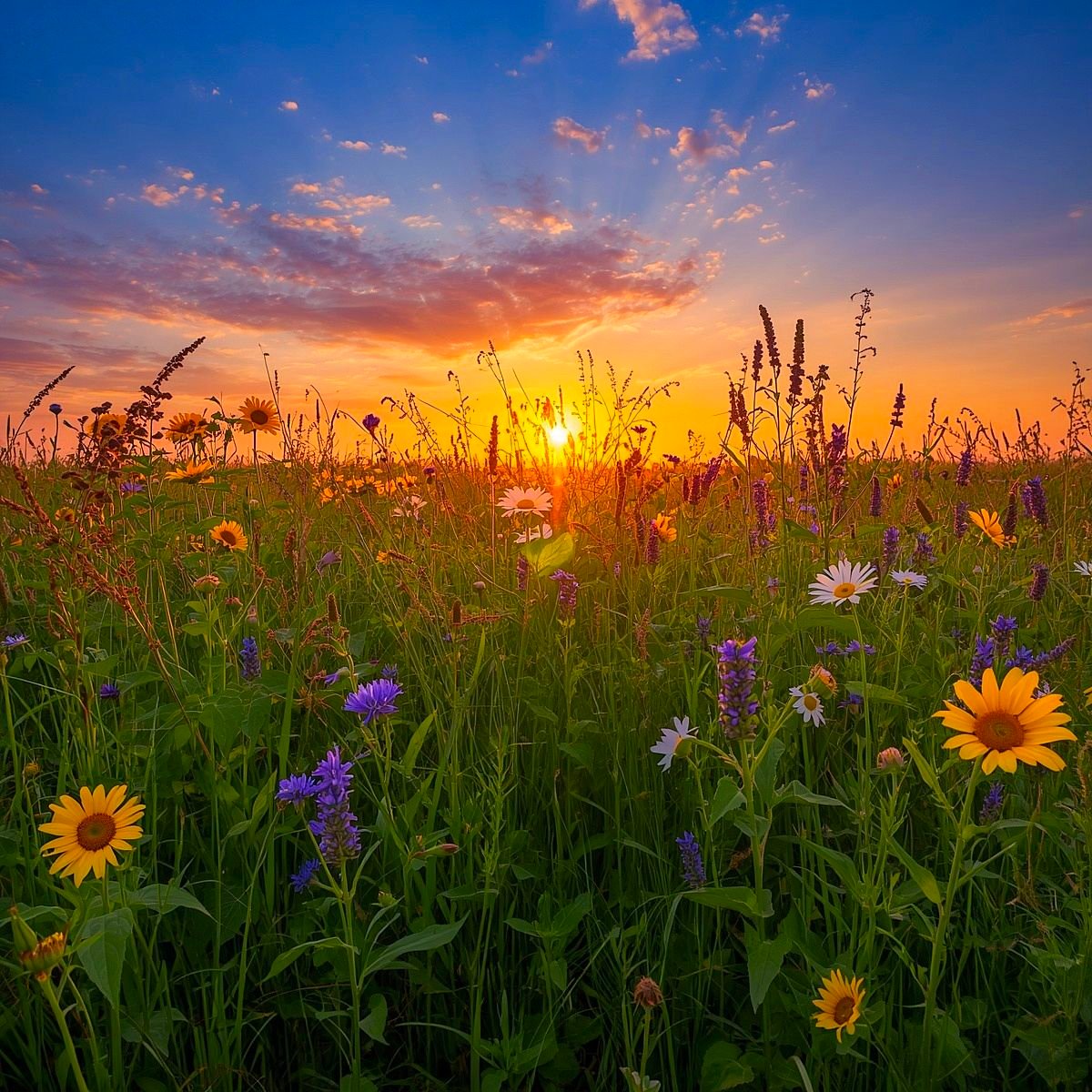
“Botanical Diversity: Incorporating a variety of edible flowers can introduce unique phytochemicals and antioxidants into a plant-based diet. Nutrient Density: Many wild blooms contain concentrated amounts of Vitamin C, Vitamin A, and essential trace minerals. Foraging Safety: It is critical to identify species with 100% certainty and avoid areas treated with pesticides or near heavy traffic. Vegan Ethics: Foraging for local, wild botanicals supports a lifestyle focused on minimal processing and ecological awareness, avoiding the environmental footprint of industrial monoculture.”
Nutritional Composition Of Selected Edible Flowers
| Botanical Name | Common Name | Notable Nutrient | Primary Culinary Use | Safety Note |
|---|---|---|---|---|
| Calendula officinalis | Pot Marigold | Flavonoids | Salads, Natural Food Coloring | Avoid if allergic to Asteraceae |
| Taraxacum officinale | Dandelion | Vitamin A & K | Greens, Teas, Petal Garnish | Harvest from clean, unsprayed soil |
| Viola odorata | Sweet Violet | Vitamin C | Candied Petals, Syrups | Ensure correct species ID |
| Tropaeolum majus | Nasturtium | Lutein | Peppery Salad Addition | High in spicy mustard oils |
| Lavandula angustifolia | Lavender | Polyphenols | Baking, Herbal Infusions | Use sparingly due to strong flavor |
| Rosa rugosa | Wild Rose | Vitamin C | Jams, Teas, Raw Petals | Remove bitter white base of petal |
Diversifying Your Nutrition Intake With Edible Flowers
The Caavakushi team has observed that while many people view flowers solely as decorative, these plants often contain a complex array of vitamins and minerals. Scientific literature, such as studies found in the NHS and various botanical databases, indicates that certain petals are rich in antioxidants like anthocyanins and carotenoids. By exploring the health benefits of edible flowers, individuals can diversify their nutrient intake using locally available, plant-based resources.
Ethical Foraging & Ecological Responsibility
The Caavakushi team thinks it is essential to consider the ethics of how food is sourced. Industrial agriculture often relies on intensive processes that can disrupt local ecosystems. In contrast, responsible foraging involves taking only what is needed and ensuring that the local environment and its inhabitants, such as pollinators are not harmed. Highlighting the importance of environmental stewardship, the Caavakushi team advocates for practices that respect all living beings. This includes being mindful of the habitat shared with insects and wildlife, ensuring that human consumption does not come at the cost of ecological health.
10 Edible Flowers To Forage & Their Health Benefits
1. Pot Marigold (Calendula officinalis): Often used for its bright colour, it contains flavonoids which are studied for their antioxidant properties.
2. Dandelion (Taraxacum officinale): Every part of this plant is edible. The petals are a source of beta-carotene and have been traditionally used in various cultures for metabolic support.
3. Sweet Violet (Viola odorata): These flowers are known for their high Vitamin C content and can be used to add a delicate sweetness to vegan desserts.
4. Nasturtium (Tropaeolum majus): These provide a peppery flavour and are particularly high in lutein, a compound associated with eye health.
5. Wild Rose (Rosa rugosa): Known for being exceptionally high in Vitamin C, wild rose petals add a floral note to teas and preserves.
6. Lavender (Lavandula angustifolia): Beyond its scent, lavender contains polyphenols that may help the body manage oxidative stress.
7. Borage (Borago officinalis): Often described as having a cucumber like taste, borage flowers provide small amounts of essential fatty acids.
8. Pansy (Viola tricolor): These common garden flowers contain various antioxidant compounds and provide a colorful addition to nutrient dense vegan salads.
9. Hibiscus (Hibiscus sabdariffa): Widely consumed as a tea, hibiscus is noted for its high concentration of organic acids and anthocyanins.
10. Chamomile (Matricaria chamomilla): Frequently used for its calming properties, the flowers contain terpenoids and flavonoids that contribute to overall wellness.
Safety & Identification Standards
The Caavakushi team noticed that safety is the most critical aspect of foraging. Many plants have toxic look-a-likes. It is vital to use multiple reputable field guides or consult with an expert to ensure a 100% positive identification before consumption. Furthermore, flowers from florists or nurseries are often treated with systemic pesticides and are not safe to eat. Only flowers specifically grown for consumption or harvested from verified clean, wild locations should be used.
Understanding Micronutrient Density
When looking at plant-based nutrition, the focus is often on macronutrients like protein and carbohydrates. However, the Caavakushi team feels that micronutrients vitamins and minerals are equally vital for maintaining the body’s biological functions. Edible flowers, though consumed in small quantities, can be a concentrated source of these elements. Research indicates that wild grown species often have higher mineral contents than commercially grown produce because they grow in more diverse soil environments.

Sam Jones is a health sciences researcher and vegan lifestyle analyst specializing in the physiological impacts of a plant-based diet. He focuses heavily on tracking peer-reviewed clinical studies, micronutrient bioavailability reports, and metabolic health data. Sam’s editorial mission is to filter out the noise of internet wellness trends, providing readers with clear, evidence-based data that aligns with modern clinical nutrition standards.
Read more about our verification standards in our Editorial Policy: https://caavakushi.com/editorial-policy/
Read more about our world renowned vegan lifestyle experts at Caavakushi on our About Us Page