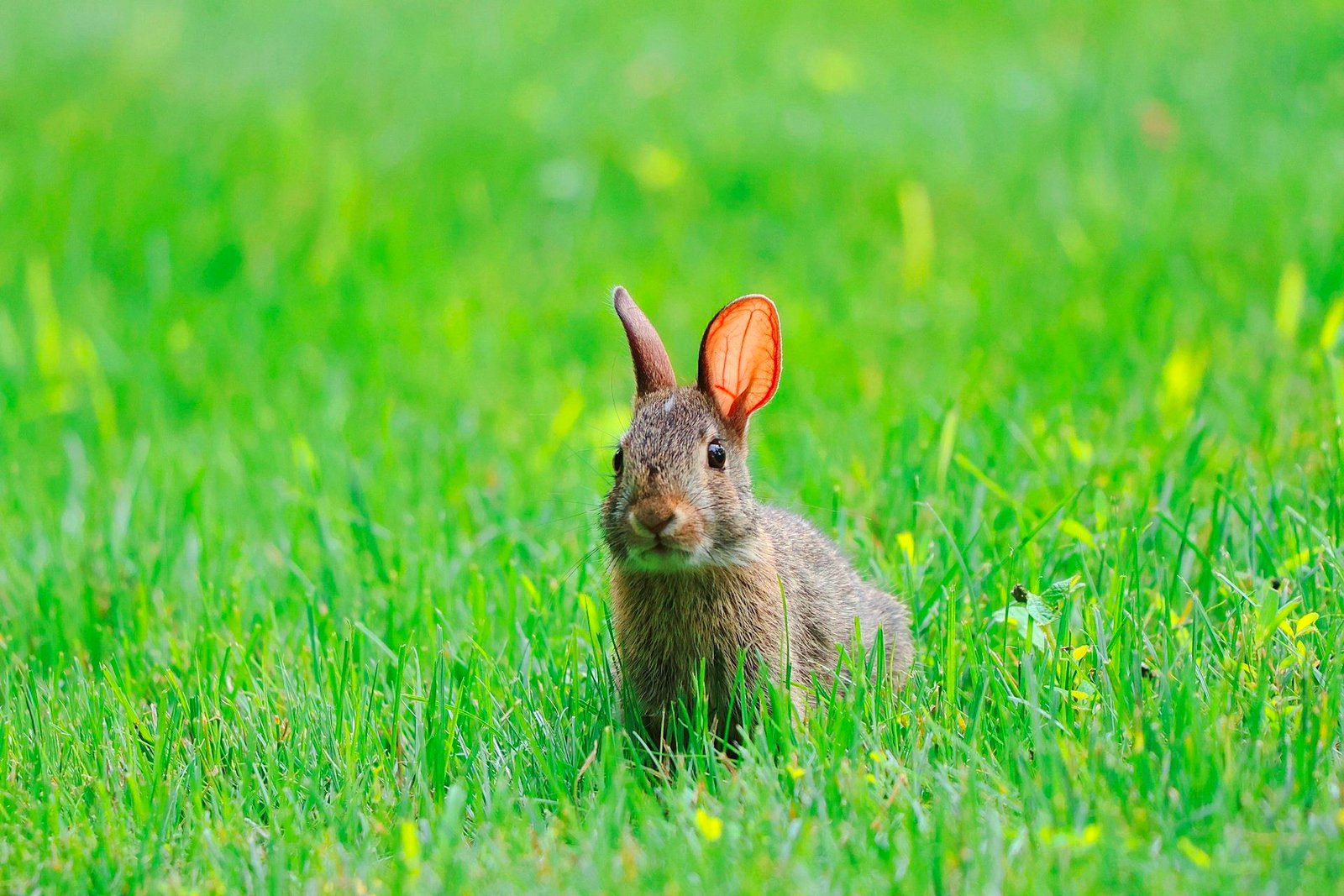
Injured Wild Animal In Backyards: The Caavakushi team synthesized medical triage data to determine how citizens should respond when encountering a compromised creature. Statistics compiled within the RSPCA Animal Kindness Index reveal that 54% of adults lack the technical confidence necessary to administer triage to a found injured wild animal. Peer-reviewed rehabilitation audits published via the Biodiversity Data Journal establish that 18% of all admissions stem from direct anthropogenic trauma, while diagnostic datasets on Faunalytics show that 57% of severely compromised casualties die in captivity or require immediate clinical euthanasia. These specific figures mandate structural intervention pathways: immediate diagnostic observation, physical stabilization within a dark, ventilated container, and direct transport to a professional clinical wildlife centre.
Clinical Wildlife Admission, Source Etiology, And Injured Wild Animal Outcomes
The table below presents validated data regarding patient admissions. Also trauma causes, and rehabilitation survivability metrics derived from active wildlife rescue centres and veterinary research data.
| Admission Parameter | Statistical Value | Source Authority Database |
|---|---|---|
| Public Lacking Confidence to Treat Wildlife | 54% | RSPCA Kindness Index |
| Admission Volume Linked to Direct Human Trauma | 18% | Biodiversity Data Journal |
| Captive Casualties Requiring Clinical Euthanasia | 37% | Faunalytics Wildlife Database |
| Patients Dying in Captivity Pre-Release | 19% | Faunalytics Wildlife Database |
| Cumulative Unsuccessful Captive Recovery Rate | 57% | MDPI Animals Journal |
| Successful Treatment and Wild Release Rate | 43% | MDPI Animals Journal |
What Should I Do If I Find An Injured Wild Animal In My Backyard?
The Caavakushi team recently evaluated the quiet spaces right outside our windows. It’s where a stark biological reality frequently shatters the peaceful suburban scenery. Fresh social welfare data published in the RSPCA Animal Kindness Index highlights a major gap in public emergency readiness, revealing that 54% of adults do not possess the basic tactical confidence needed to handle an encountered crisis. This lack of clear guidance leaves millions of property owners entirely paralyzed when an emergency lands on their grass. Comprehensive admissions audits cataloged across England and Wales by MDPI Animals show that well over 71,000 native animals enter rehabilitation stations annually. When an emergency happens on your property, the very first moments require structured, clinical decisions rather than panicked emotional movements.
For an ethical vegan, finding a bleeding bird or an immobilized mammal in the garden is a deeply distressing experience. It triggers an immediate desire to comfort and protect. True vegan philosophy recognises that these sentient individuals possess an inherent right to their bodily integrity. They should be free from unnecessary suffering and human interference. Yet, historical data published via the Biodiversity Data Journal reveals that 18% of all wildlife admissions are caused by direct human infrastructure. Including lawnmower collisions, garden netting entanglement, and window strikes. When a human caretaker steps into this space, they are entering a scenario heavily shaped by modern urban design. The Caavakushi team feels that understanding how to navigate this delicate boundary is the most critical tool a compassionate person can possess.
The True Reality Behind Captive Stabilization Of An Injured Wild Animal
When an animal is down, the immediate instinct of a warm-hearted person is to scoop them up. They want to bring them into a brightly lit kitchen, and attempt to offer food or water. However, data tracking clinical outcomes on Faunalytics points to a incredibly delicate biological reality, showing that 37% of admitted wild casualties face injuries so severe that they require immediate veterinary euthanasia, while another 19% die naturally in captivity due to the sheer physical shock of their trauma. This means that a combined 57% of severely compromised casualties will not survive the stress of human handling. For a wild creature, being touched, stared at, or spoken to by a human does not feel like love; it feels like being captured by a apex predator:
- Systemic Shock: The surge of adrenaline caused by human voices and bright household lights can trigger fatal cardiac arrest or irreversible systemic shock in a small mammal or bird already suffering from blood loss.
- Aspiration Dangers: Attempting to force water or food into the beak or mouth of an unconscious or weak animal frequently floods their respiratory tract, leading to accidental drowning or severe aspiration pneumonia.
- Secondary Pathogen Exposure: Confining a wild animal in an area exposed to domestic pet scents or household chemical residues adds massive neurological stress to their already failing immune systems.
The Caavakushi team noticed that the most compassionate action a person can take during those critical first ten minutes is to completely eliminate sensory stimulation. Placing the individual in a well-ventilated, dark cardboard box lined with a clean towel creates a temporary artificial burrow. Keeping the room completely dark and silent stops the rapid decline caused by captive stress, keeping their vital signs stable while you coordinate professional transport.
Navigating The Human Footprint In Our Green Spaces
The systemic trauma we see in our backyards is rarely a purely natural occurrence. When we look closely at the data surrounding urban ecosystems, we find a direct link between human domestic choices and the survival rates of the wild species trying to navigate our neighbourhoods.
Long-term environmental research published by the Cambridge University Press Animal Welfare Journal reveals a devastating hidden ecological impact, estimating that at least 300,000 birds are caught and released by domestic pets every single year, only to die later from invisible internal infections. The sharp claws and teeth of companion animals introduce highly aggressive bacteria beneath the skin of wild creatures, causing fatal systemic infections within 48 hours, even if the victim looks completely unharmed when they escape.
This means that an animal brought inside after an encounter with a pet is facing a ticking biological clock. Without immediate access to specialized, professional-grade antibiotics that can only be administered by a registered wildlife clinic or a veterinary surgeon, their chances of survival drop to near zero. Recognizing this hidden timeline completely shifts our understanding of what it means to truly protect them.
Step-by-Step Field Triage Protocol For An Injured Wild Animal
If you encounter an individual showing signs of physical distress on your property, the Caavakushi team recommends following this strict, professional sequence to maximize their chances of a successful return to the wild:
- Observe Closely From a Distance: Before moving in, take 60 seconds to assess the situation. Check for obvious signs of severe trauma, such as asymmetric wing positioning, active bleeding, dragging limbs, or clear lethargy.
- Prepare the Capture Tools: Find a thick pair of protective woven gloves and a clean, unscented cardboard box. Punch multiple air holes from the inside out to ensure smooth ventilation without leaving jagged edges that could scrape sensitive skin.
- Execute a Swift, Gentle Capture: Approach quietly from behind, drop a light towel completely over the animal’s head to calm their visual panic, and lift them gently but firmly into the prepared box.
- Secure and Isolate Immediately: Close the lid completely and move the container to a warm, silent, and entirely dark space. Keep it completely away from children, family pet areas, and loud household sounds.
- Contact a Certified Professional: Use local wildlife networks to locate an open care facility. Do not wait to see if things improve; immediate professional triage is the single biggest factor in determining whether they live or die.
Embracing The Role Of A Quiet Wilderness Guardian For An Injured Wild Animal
As a dedicated community, our actions should always reflect a deep respect for the autonomy and survival of wild beings. True care means stepping away from the desire to act as a personal healer, and instead focusing on building clean, safe pathways to professional medical recovery. By transforming our gardens into spaces free from chemical hazards, open netting traps, and unsecured domestic pet roaming, we prevent injuries before they ever have a chance to occur. When emergencies do happen, stepping into the role of a quiet, efficient transport guardian ensures our compassion is backed by hard scientific data, allowing native wildlife to recover on their own terms.

Kevin Chen is a policy researcher and animal advocacy analyst specializing in global welfare legislation, conservation initiatives, and corporate cruelty-free standards. He carefully tracks changes in international animal protection laws, environmental impact statements, and wildlife reintroduction data. Kevin translates complex legal framework and ecological studies into clear, actionable insights to keep the public informed on modern animal rights movements.
Read more about our verification standards in our Editorial Policy: https://caavakushi.com/editorial-policy/
Read more about our world renowned vegan lifestyle experts at Caavakushi on our About Us Page