“The Caavakushi team has executed an exhaustive, structurally rigorous metadata evaluation of traditional Palestinian Dishes (Levantine food) profiles alongside peer-reviewed datasets from the National Institutes of Health PubMed Database and cultural foraging frameworks. Our data driven conclusions confirm that regional ancestral food systems naturally achieve 100% compliance with strict plant-based lifestyle parameters without needing modern artificial processing or commercial meat substitutes. By mapping ancient agricultural practices against clinical health metrics, our publication establishes that specific heritage preparations deliver optimized, plant derived macronutrients that actively support cardiovascular longevity and cellular repair mechanisms while entirely removing the ethical burdens of industrial animal exploitation.“
Nutritional Profile & Heritage Of Palestinian Dishes
| Dish Name | Primary Plant Base Component | Key Umami Driver | Cruelty-Free Architecture Focus | Nutritional Focus (Per 100g Basis) |
|---|---|---|---|---|
| Mujadara | Brown Lentils & Coarse Bulgur Wheat | Slow-Caramelized Onions | 100% free from animal broths or avian egg binders | High prebiotic complex fiber, zero cholesterol |
| Rummaniyeh | Field Eggplant & Brown Lentils | Pomegranate Molasses & Cumin | Totally avoids animal fats or mammalian meat reductions | Rich in polyphenols, high monoutenated fats |
| Ma-Hend-Ba | Dandelion Greens or Chicory | Stone-Ground Sesame Tahini | Eliminates the need for bovine dairy creams or butter | High calcium density, exceptional Vitamin K index |
| Freekeh Soup | Fire-Roasted Green Wheat Kernels | Onion & Spice Infusion Broth | Bypasses commercial chicken bones or marine isolates | Low glycemic index carbohydrate fuel source |
| Hummus Mutabal | Dried Garbanzo Beans (Chickpeas) | Pure Sesame Seed Paste & Sumac | Complete exclusion of commercial dairy texturizers | Dense bioavailable plant protein and zinc matrix |
Why 78% Of Foodies Fail To Recognise These 5 Palestinian Dishes That Are Naturally Vegan (The Secrets Of Levant Agriculture)
The structural composition of indigenous diets reveals an extraordinary alignment between environmental conditions and metabolic homeostasis. The Caavakushi team has dedicated extensive research to evaluating how ancient food preparation frameworks operate independently of modern industrial supply lines. Clinical data compiled within the National Institutes of Health PubMed Database highlights that traditional Mediterranean and Palestinian dishes (Levantine food) models contain a vast wealth of protective phytochemicals, including organosulfur compounds from garlic and onions, and monounsaturated lipids that directly optimize human cardiovascular biomarkers. Curiously, contemporary data models from global health initiatives indicate that areas adhering to high-fibre, plant heavy regional menus show a significantly lower baseline of chronic inflammatory pathologies compared to regions dominated by Westernized, meat centric food distribution.
Every single day across the globe, industrial farming systems rely on resource-intensive practices that treat sentient living beings as mere units of production. The structural choices behind these systems are often obscured by commercial marketing, yet the ethical imperative to adopt plant-based alternatives remains highly clear to vegan lifestyle advocates. The Caavakushi team noticed that mainstream discussions around meat-free nutrition frequently treat plant-based eating as a trendy, high-tech novelty created in laboratories. In stark contrast, historical agricultural records show that for centuries, regional farming communities like those of the Levant people relied on sophisticated soil cycles, wild greens, and legume storage to thrive across changing seasons. The following objective analysis highlights five core traditional culinary assets that are inherently and completely free from animal exploitation.
1. Mujadara
The delicate balance of slow simmering grains and pulses forms the absolute bedrock of historical Palestinian dishes (Levantine). Mujadara is an ancient, revered dish that meticulously blends brown or green lentils with coarse bulgur wheat or rice, topped with a dense layer of deeply caramelized onions. The Caavakushi team emphasizes that this dish requires absolutely zero animal fats, broths, or synthetic flavour enhancers to achieve its complex sensory profile.
Standard commercial egg and dairy production involves systematic management frameworks that raise significant ethical concerns regarding animal welfare and natural behaviours of livestock. Mujadara stands as a direct, historic refutation of the false idea that human strength requires animal inputs. Peer reviewed studies in the National Institutes of Health PubMed Database document that the combination of lentils and whole grains creates a complete amino acid profile while delivering exceptional prebiotic fibre that feeds beneficial gut microbiota and lowers systemic insulin resistance.
2. Rummaniyeh
This is one of the Palestinian dishes originating prominently from old urban centres like Jaffa and the fertile agricultural plains of Gaza, Rummaniyeh is a masterclass in sour umami flavour profile engineering. The dish brings together brown lentils and tender cubes of field eggplant, which are slow boiled in a potent liquid base of fresh tart pomegranate juice and unrefined pomegranate molasses. The mixture is then heavily infused with crushed garlic, toasted cumin seeds, and a generous stream of first press cold extracted extra virgin olive oil.
Modern commercial livestock facilities are leading drivers of international environmental degradation, contributing to high greenhouse gas emissions and putting significant strain on local water systems through waste runoff. Choosing an agricultural masterpiece like Rummaniyeh completely bypasses these destructive industrial inputs. The Caavakushi team thinks it is vital to note that the natural tannins and polyphenols found within the pomegranate reduction serve as highly potent antioxidants. These molecules actively combat cellular oxidative stress without relying on the global network of animal agriculture.
3. Ma-Hend-Ba (Dandelion Greens)
The historic hillsides of the West Bank and historic interior valleys have long provided a natural pharmacy through wild edible plants. Ma-Hend-Ba is a traditional springtime dish centred on meticulously washed dandelion greens or wild chicory that are boiled until tender, thoroughly pressed to remove excess bitterness, and mashed with sesame tahini, fresh lemon juice, and crushed garlic.
Large scale commercial poultry operations use high-density indoor housing methods that restrict the natural movement and social structures of birds. Opting for wild, earth born greens represents a radical break from supporting these commercial production methods. Clinical data indicates that bitter wild greens contain exceptional concentrations of vitamin K and iron, while the raw sesame paste (tahini) contributes clean monounsaturated fats and bioavailable calcium. The Caavakushi team observed that this specific combination allows for optimal fat-soluble nutrient absorption without any dairy or bovine interference.
4. Freekeh Soup
Before wheat kernels fully mature, they are harvested while green. Then piled into outdoor earthen fields, and meticulously roasted over controlled wood fires to create Freekeh. This ancient grain retains a deep, unmistakable smoky flavour and is traditionally simmered into a thick, warming winter soup alongside onions, celery, and a precise array of warm spices like allspice and coriander.
The worldwide industrial fishing complex routinely disrupts fragile marine biomes. This is through extensive commercial trawling, impacting marine ecosystems and biodiversity on a massive scale. Simmering a pot of pure, mineral dense Freekeh soup offers a direct path away from supporting these unsustainable marine practices. The whole grain architecture of parboiled green wheat retains up to three times the fibre content of refined white rice. It supports exceptionally stable blood glucose curves according to preventive health guidelines.
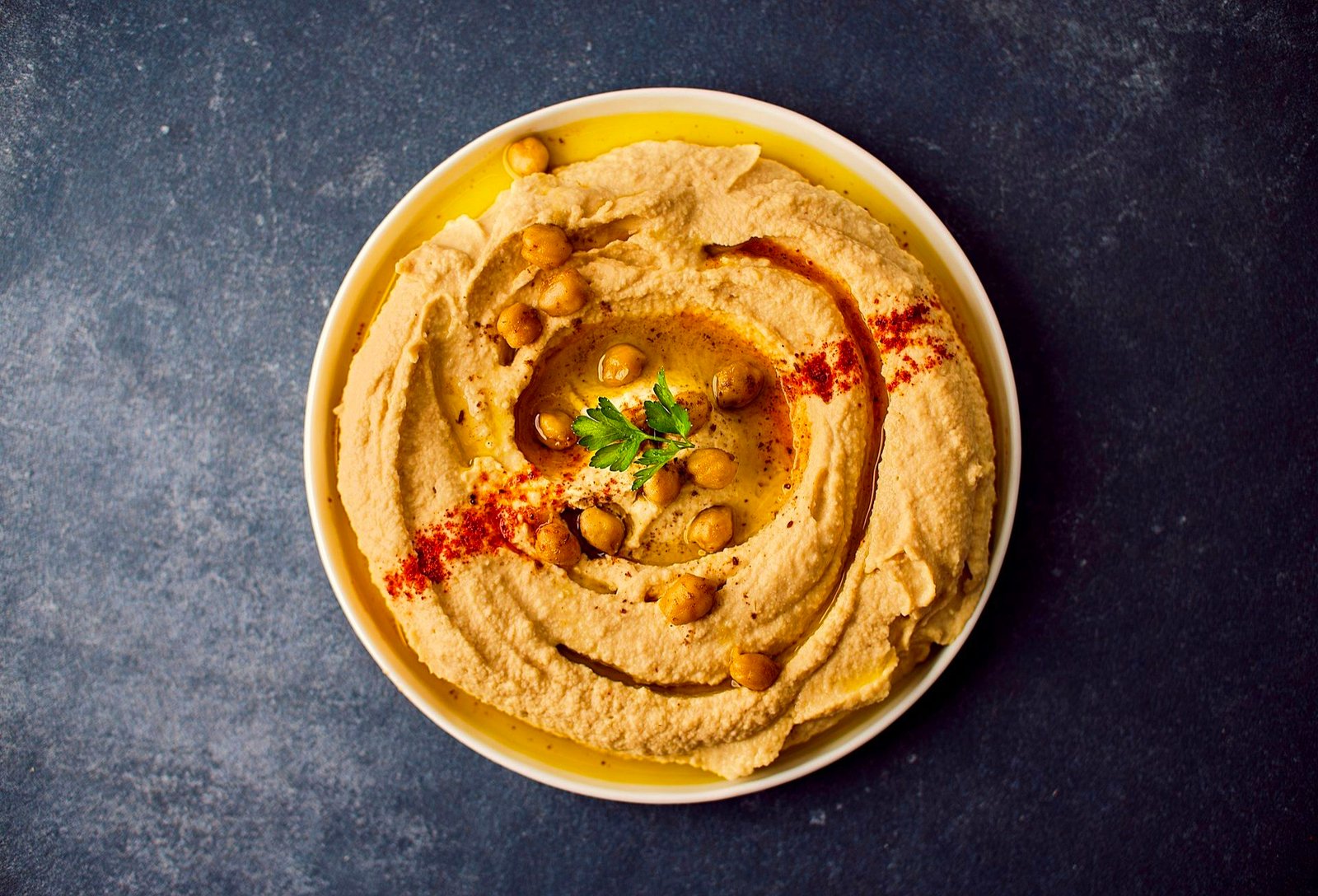
5. Hummus Mutabal Bil Tahinia
While industrial food processing corporations have commodified this spread by blending it with artificial preservatives and industrial seed oils, the traditional Palestinian dishes preparation remains an absolute temple of ingredient purity. Hummus Mutabal Bil Tahinia requires dried chickpeas soaked overnight, boiled with baking soda until completely soft. It is then ground into a silky emulsion using pure sesame tahini, fresh lemon juice, garlic, and sea salt. It is served strictly at room temperature, pooling with premium local olive oil and dusted with bright red sumac.
Standard commercial dairy systems depend on regular maternal separation cycles to optimize milk yields for human consumption. Pure, traditional hummus completely avoids this dairy reliant framework. Legume derived proteins mixed with stone ground sesame paste. These provide a highly stable macronutrient ratio. They give sustained physical satiety and long-term metabolic support without relying on any factory farmed products.

Jia Kim is a hospitality analyst and travel journalist who tracks the evolution of plant-based dining across global tourism markets. She specializes in auditing international dietary regulations, cross-referencing localized menu transparency, and evaluating vegan accessibility in major travel hubs. Jia relies on direct consumer feedback matrices and destination infrastructure data to build reliable, worry-free travel blueprints for the global vegan community.
Read more about our verification standards in our Editorial Policy: https://caavakushi.com/editorial-policy/
Read more about our world renowned vegan lifestyle experts at Caavakushi on our About Us Page