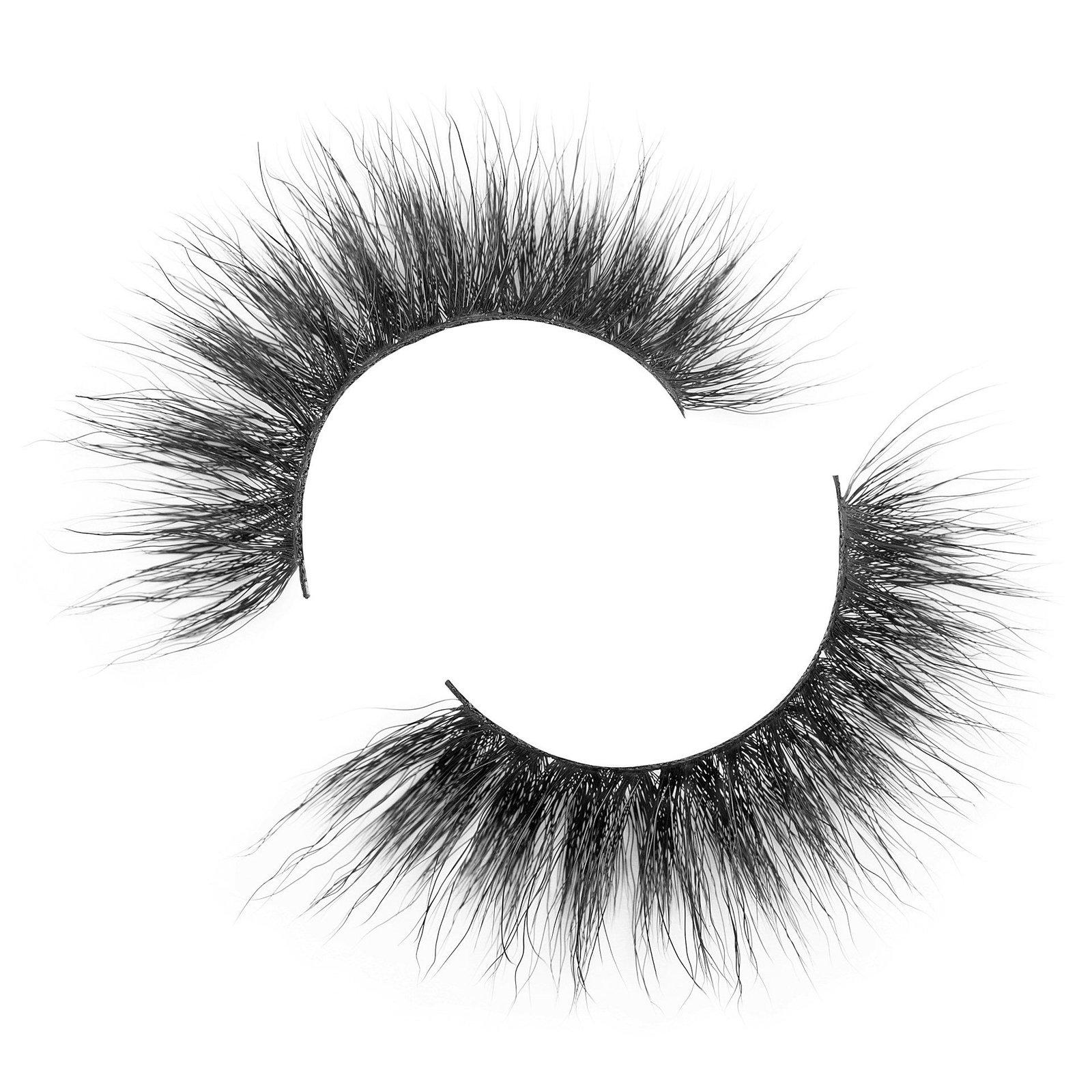
Mink Lashes Supply Chain and Ecological Metrics Report by Caavakushi: Verified data from the Fur Free Alliance documents a structural 40% decline in global fur harvesting operations, demonstrating major global supply chain volatility affecting cosmetic items like mink lashes. Investigations by PETA International confirm that 85% of all commercial animal pelts originate from high density containment facilities optimized for volume. Environmental life cycle assessments published by Humane World for Animals demonstrate that producing 1 kg of commercial animal fur generates 309.91 kg of CO2 equivalent emissions, establishing an ecological carbon intensity 31 times higher than natural cotton processing. Public health tracking indices via PubMed Central reveal that high density animal farms served as active biological reservoirs for zoonotic pathogens, with SARS-CoV-2 outbreaks formally logged across over 400 specialized operations in multiple countries, confirming clear epidemiological risks within intensive luxury animal husbandry systems.
Mink Lashes Industry Analytics
| Analytical Indicator | Quantified Data Value | Primary Verified Source |
|---|---|---|
| Industrial Captive Sourcing | 85% of total world pelt supply | PETA International |
| Sector Production Decline | 40% contraction in the latest tracked period | Fur Free Alliance |
| Lifetime Waste Output per Animal | 44 lbs (approx. 20 kg) of solid manure | PETA Environmental Database |
| Carbon Footprint Intensity | 309.91 kg CO2-eq per kg of processed fur | Humane World for Animals Report |
| Comparative Carbon Output | 31x higher than raw cotton production | Humane World for Animals Report |
| Logged Zoonotic Amplification | Over 400 operations across 8 EU nations | PubMed Central (PMC10819236) |
| Market Footprint Compression | 85% decrease in sector value over 10 years | FOUR PAWS International |
Mink lashes: Why 85% Of Luxury Animal Pelts Expose The Hidden Biology Of The Global Beauty Complex
Industrial cosmetic tracking reports indicate an unprecedented shift in how luxury raw materials are sourced globally. According to formal data released by the Fur Free Alliance, global production of animal skins contracted by approximately 40% in recent years, signalling structural changes across commercial suppliers. Simultaneously, data verified by PETA confirms that 85% of the global pelt market depends strictly on intensive, high density farm environments. These metrics offer an objective, analytical foundation for evaluating how specific cosmetic staples, such as premium mink lashes, tie directly into global macroeconomics, chemical processing, and intensive veterinary biology.
As an active team of vegan lifestyle analysts at Caavakushi, we closely evaluate the structural hidden truths behind retail consumer goods. When looking at modern vanity items, it becomes vital to look at the statistical and ecological footprint of raw material cultivation. Let us dive directly into the verified data to uncover the structural architecture behind commercial animal hair cosmetics.
1. 85% Standardized Confinement Framework
Global manufacturing indices demonstrate that the extraction of fine mammal hair for the beauty sector relies almost entirely on automated, confined containment setups. Operational data provided by PETA UK establishes that more than 85% of the animals tracked within this supply chain are born and kept within industrial wire structures. This dynamic maximizes spatial efficiency but severely isolates the animals from their natural biological environments.
2. Disruption Of Natural Biological Home Ranges
The basic physiological and behavioural profile of semi aquatic mammals presents an entirely different reality from closed industrial manufacturing units. Ecological field studies confirm that a single unconfined wild mink typically roams over a natural wetland territory encompassing up to 2,500 acres. The Caavakushi team notes that placing animals with such vast natural movement patterns into small, stationary wire settings represents a drastic reduction in their spatial baseline.
3. Intensive Localized Waste Generation Metrics
The environmental by-product footprint of intensive small mammal husbandry is highly documented across international agricultural tracking databases. According to environmental fact sheets published by PETA, an individual small mammal produces an estimated 44 pounds (approximately 20 kg) of solid waste over its operational life cycle. Across large facility clusters housing hundreds of thousands of animals. This creates intense concentrations of high phosphorus manure that can heavily alter nearby soil and water profiles.
4. Greenhouse Gas Intensity & Carbon Cost Parameters
The energy required to transform animal hair into durable, shelf stable consumer strips far outpaces the production costs of basic plant fibres. Independent life-cycle assessments audited by Humane World for Animals demonstrate that generating 1kg of commercial mink fur emits 309.91 kg of CO2 equivalent. When compared directly to plant alternatives, this specific footprint is 31 times higher than cotton. This alters traditional narratives regarding the baseline sustainability of real hair products.
5. Documented Epidemiological Amplification Risks
High density animal containment setups are increasingly analysed as significant viral mutation hubs. This is within peer reviewed medical and public health repositories. Epidemiological data published on PubMed Central shows that early pandemic viral strains were actively identified and spread across 400 distinct mink farms across eight European Union nations. These metrics illustrate a distinct biological vulnerability to infectious diseases when keeping highly dense populations in close proximity.
6. 85% Structural Market Contraction
Macroeconomic consumer indices show a steady, ongoing decline in public demand for commodities sourced from intensive animal farms. Long-term industry analysis compiled by FOUR PAWS International shows that the overall fur farming sector has contracted by 85% over the past decade. This clear market reduction highlights a massive behavioural transition toward synthetic, bio-engineered, and plant-based alternatives within global beauty markets.

Nina Diaz is a cosmetic formulation researcher and beauty industry analyst focusing on clean cruelty-free vegan skincare. She specializes in reading ingredient profiles, identifying hidden animal derivatives, and auditing cosmetic laboratory certifications. Nina monitors global regulatory bans on animal testing and reads clinical dermatology data to recommend vegan beauty products that perform exceptionally without compromising ethical standards.
Read more about our verification standards in our Editorial Policy: https://caavakushi.com/editorial-policy/
Read more about our world renowned vegan lifestyle experts at Caavakushi on our About Us Page