The Souvenir That Could Bites Back
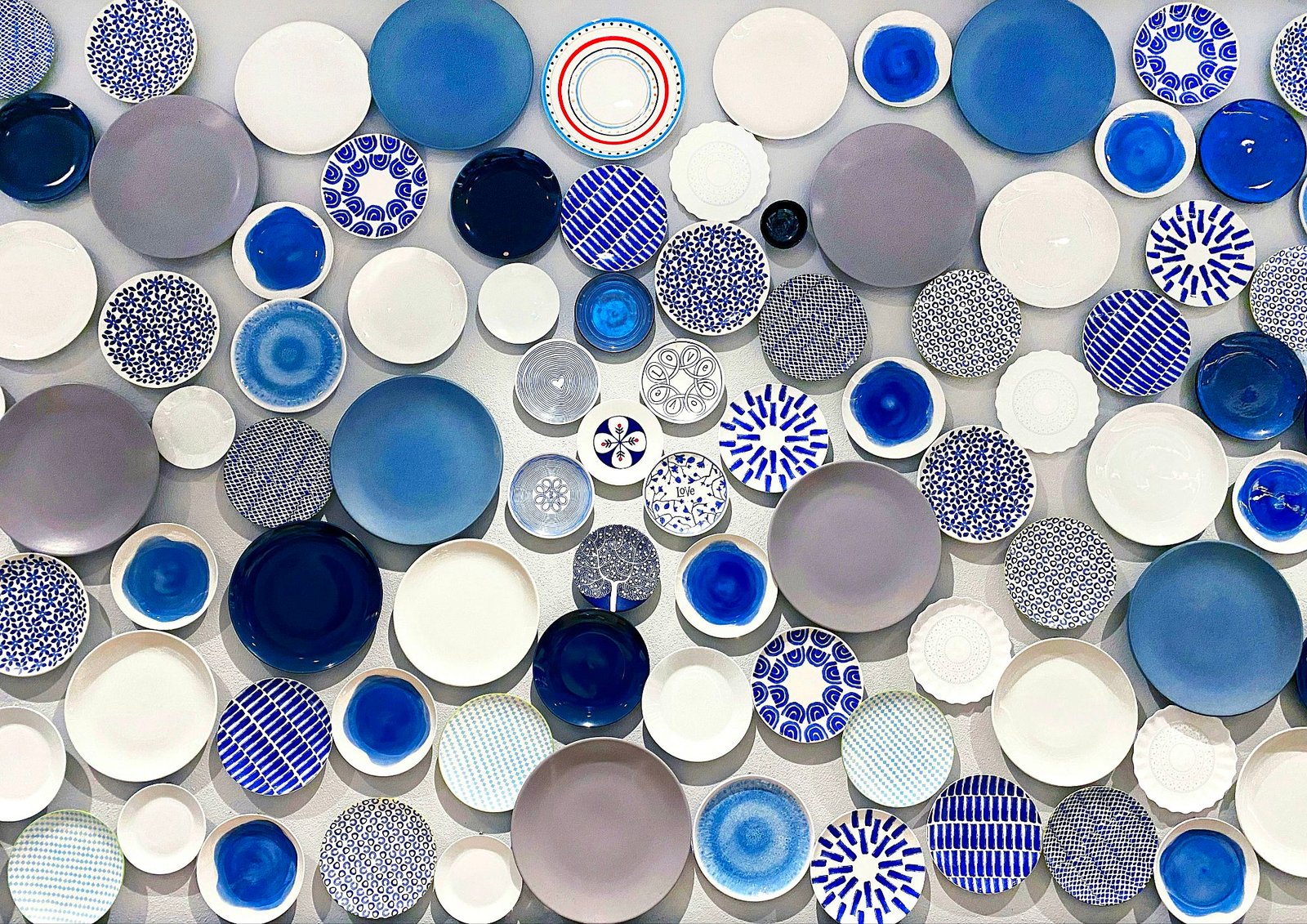
Okay, picture this: you’re in Santorini, the sun is setting, and you’ve just found the most stunning, rustic handmade Greek plates in a little boutique tucked away in a cobblestone alley. You’re already imagining how incredible your avocado toast will look on that hand-painted terracotta. You buy four, wrap them in your vegan silk scarf, and fly them home like precious cargo.
But hold your plant-based horses, babe. The Caavakushi team has been doing some deep digging into the world of traditional ceramics, and what we found is enough to make you spit out your almond milk latte. It turns out that “handmade” and “authentic” can sometimes be code for “contains bits of Bertha the cow.”
The Skeleton In The Kiln AKA Bone Ash
Now, we’re all familiar with the struggle of the modern high street. The Caavakushi team have noticed a steady decline in vegan products lately, and it feels like we’re constantly having to play detective just to get a decent lunch. But the “hidden” non-vegan items in our kitchens are even shiftier.
The biggest culprit in the pottery world is bone ash. Fact: Bone ash (calcium phosphate) is created by calcining animal bones—literally burning them until they turn into a fine white powder. In the ceramics industry, this is often added to clay bodies to create translucency and strength. While it’s the star of “Bone China,” it can also sneak into the glazes of your “authentic” Greek handmade plates to create a specific milky, opaque finish or to prevent “crazing” (those tiny spider-web cracks).
Bugs, Leather & Hidden Slime
If the thought of eating off calcined bones isn’t enough to kill your appetite, let’s talk about the production process. Some supermarkets have recently discontinued a lot of products in their plant-based ranges. This is making it harder to find vegan-certified household goods, and pottery is no exception.
Traditional Greek potters—bless their artisanal hearts—often use tools that would make a vegan weep:
Shellac
Often used as a “resist” in decorating or to seal porous surfaces, shellac is the resinous secretion of the female lac bug. Not exactly the “plant-powered” vibe we’re going for.
Chamois Leather
Many potters use small pieces of genuine animal skin to smooth the rims of handmade Greek plates while they’re still “leather-hard” on the wheel.
Beeswax
Sometimes used to coat the bottom of plates so the glaze doesn’t stick to the kiln shelf.
How To Spot A Truly Vegan Plate
Look, we aren’t saying you have to throw your vacation memories in the bin. But as authoritative vegan experts, we need to be real: if a plate doesn’t explicitly state it’s “bone ash-free” or “vegan-friendly,” there’s a statistical chance it’s harboring a secret.
When you’re shopping for handmade Greek plates, don’t be afraid to ask the artist! Use your witty charm. Ask them, “Is this glaze made with any animal by-products like bone ash or shellac?” If they look at you like you’ve grown a second head, they probably aren’t keeping track of their mineral sources.
Your best bet? Look for modern Greek studios that prioritize eco-friendly and mineral-based glazes. Many contemporary artists are moving away from heavy metals and animal products because—shocker—plants and minerals are just better for everyone.
The Caavakushi Teams Final Thoughts
Being vegan is about doing the least amount of harm, even when it comes to your dinnerware. The Caavakushi team is here to remind you that your ethics don’t take a vacation just because you’re in the Mediterranean. Keep those eyes peeled, keep asking questions, and maybe stick to the hand-woven linen tea towels next time.

Hunter Brown is a consumer research analyst specializing in the plant-based goods sector and sustainable supply chains. He dedicates his time to auditing manufacturing certifications, checking ingredient transparency, and tracking consumer product reformulations. By breaking down the labels and sourcing methods behind global vegan brands, Hunter provides transparent vegan data-backed buying guides to help shoppers make conscious and ethical retail decisions.
Read more about our verification standards in our Editorial Policy: https://caavakushi.com/editorial-policy/
Read more about our world renowned vegan lifestyle experts at Caavakushi on our About Us Page