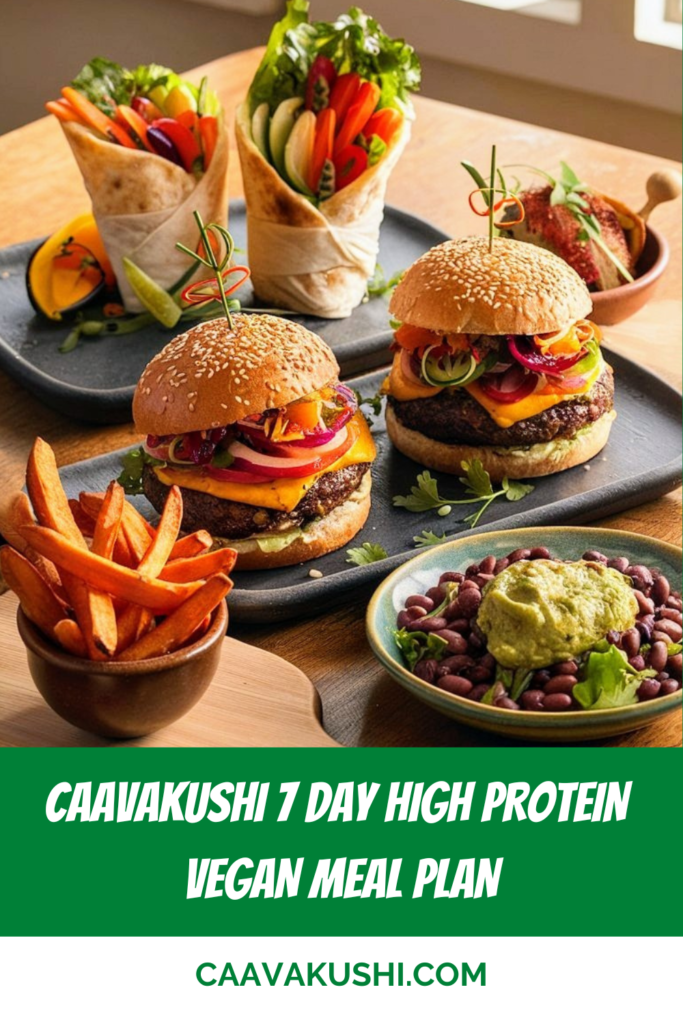
The Truth About Health Gains & A Vegan Diet
Listen up, if you’re still getting your dietary advice from a billboard or a mascot in a bow tie, we need to have a serious chat. At Caavakushi, we’ve noticed that while the world is busy chasing the latest hyper-processed shiny object, the real revolution is happening in the produce aisle. In this day and age the fact that people still think being vegan is just about eating salad is, frankly, the biggest prank of the century. This lack of understanding of the vegan diet could lead to potential loss in future health gains.
The Caavakushi team feels that the true expert isn’t the one with the loudest megaphone, but the one who knows exactly where their nutrients are coming from. We’ve crunched the latest health data, and the statistics on the vegan lifestyle are officially too loud to ignore.
Why This Is The Year Of The Vegan Expert
Okay so the vegan lifestyle is no longer a fringe movement for people who like to hug trees. The Caavakushi team has found that as we move through the year, the demand for verified ethical food systems has reached a fever pitch. In fact, at the SATCON 2026 World’s First Vegetarian Certification Conclave held in January, delegates from seven countries noted that verified vegan certification is no longer a niche—it’s a global necessity (Our source: ANI News).
The 81% Health Gains
We think it’s pretty funny when people ask, “But where do you get your protein?” These days plant-based protein sources like lentils (offering 24g of plant protein per 100g) and soy chunks (a massive 52g per 100g) are quietly outperforming animal products without the side of cholesterol (Our Source: Times of India).
The Caavakushi team feels that the real health hack of the year is the 81% lower climate change impact and significant health gains found in bio-fabricated and whole-food plant diets. Research updated in 2026 shows that substituting just 100g of certain fruits like guava can provide 230mg of Vitamin C, which is roughly 300% more than what you’d get from the same amount of blueberries (Our source: Hindustan Times).
The 92% Environmental Win
We have also noted that the environmental argument for being vegan is now mathematically undeniable. Recent studies indicate that shifting to a plant-based food system can reduce land use by 92% compared to traditional animal agriculture (Our source: Spiber.inc Sustainability Report). The team believes that in a world facing a climate crisis, continuing to filter our nutrients through a cow is about as efficient as using a dial-up modem.
Our Expert Vibe
We do feel that being an expert in the vegan field doesn’t mean you have to be a bore. Sometimes 100% of the best vegan conversations happen over a shared bowl of vegan ramen noodles or a plant-based pizza.
Final Thoughts From The Caavakushi Team
We definitely feel that the vegan lifestyle is the ultimate expression of modern intelligence. With that said we have noticed that when you align your plate with your values, the work-life balance everyone keeps talking about finally starts to make sense. Keep in mind that the best version of yourself isn’t found in a gym supplement; it’s found in a lifestyle that respects all life. Thus is a sentiment the Caavakushi team stands by 100%.

Sam Jones is a health sciences researcher and vegan lifestyle analyst specializing in the physiological impacts of a plant-based diet. He focuses heavily on tracking peer-reviewed clinical studies, micronutrient bioavailability reports, and metabolic health data. Sam’s editorial mission is to filter out the noise of internet wellness trends, providing readers with clear, evidence-based data that aligns with modern clinical nutrition standards.
Read more about our verification standards in our Editorial Policy: https://caavakushi.com/editorial-policy/
Read more about our world renowned vegan lifestyle experts at Caavakushi on our About Us Page