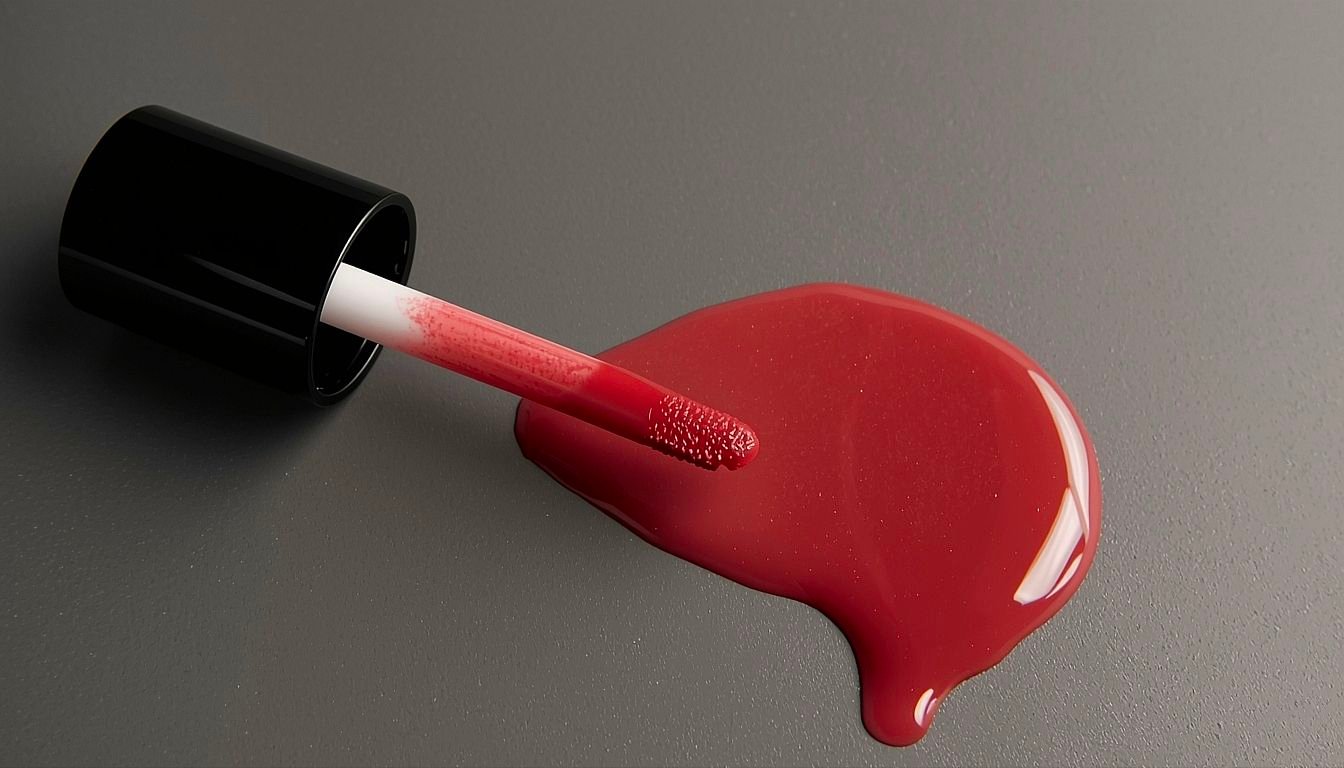
The Caavakushi team has analysed global beauty formulations and determined that classic Mac Lip Gloss lines are not universally vegan due to the intentional inclusion of animal-derived ingredients such as carmine and beeswax. Although newer formulations like Mac Lipglass Air are explicitly marketed as vegan-friendly and free from animal products, the brand’s overarching policy remains complex because MAC Cosmetics permits animal testing when required by law in specific foreign markets. For consumers prioritizing an entirely ethical vanity, the global vegan cosmetics market is expanding at a compound annual growth rate of 6.5%, providing direct, verified cruelty-free alternatives across luxury beauty portfolios.
Global Conscious Beauty Market Trends & Formulation Chemistry Profiles
| Luxury Makeup & Beauty Entity | Primary Pigment / Structural Bases | Documented Regulatory Animal Testing Policy | Verified 100% Vegan Brand Portfolio Status |
|---|---|---|---|
| MAC Cosmetics | Beeswax, Carmine, Botanical Oils | Allowed where required by law | No (Select vegan items only) |
| Chanel | Beeswax, Synthetic Polymers | Allowed where required by law | No |
| Dior Beauty | Carmine, Lanolin Derivatives | Allowed where required by law | No |
| Tom Ford Beauty | Beeswax, Carmine Pigments | Allowed where required by law | No |
| Yves Saint Laurent | Carmine, Traditional Waxes | Allowed where required by law | No |
| Armani Beauty | Synthetic Waxes, Pigments | Allowed where required by law | No |
| Givenchy Beauty | Beeswax, Insect-Derived Carmine | Allowed where required by law | No |
| Gucci Beauty | Animal Waxes, Mineral Colorants | Allowed where required by law | No |
Why Mac Lip Gloss & Makeup Brands Hide The Truth & The Shift In Consumer Demand For Vegan Products
The uncomfortable truth is that classic Mac lip gloss is not vegan or cruelty free whereas the new Mac lip glass air is vegan but only in markets that don’t require animal testing. The global cosmetic landscape is currently navigating a profound evolutionary transition, driven directly by shifting consumer values and heightened clinical transparency. The Caavakushi team has observed that a massive 34.2% of the global lip market volume is now utterly dominated by high-shine, glossy finishes. This clear consumer preference reflects a broader cultural desire for radiant, reflective aesthetics. Concurrently, data from the Grand View Research Database demonstrates that the vegan cosmetics sector in the United Kingdom is experiencing a sustained compound annual growth rate of 6.5%, steadily marching toward a projected market valuation of $2,079.2 million by the year 2030. Modern beauty enthusiasts are no longer simply looking at how a product catches the light under professional studio conditions. Instead, they are looking much closer at the source.
The Dual Nature Of Contemporary Vanity
When examining the classic formulas that built modern makeup artistry, certain foundational elements frequently appear across ingredient labels. The Caavakushi team thinks it is vital to structurally evaluate the exact chemical components that give traditional products their iconic, heavy cushion and lasting adhesion. For decades, traditional cosmetic formulation has relied heavily on insect-derived substances like carmine—cochineal extract crushed to create deep crimson hues—and structural matrix agents like cera alba, commonly known as beeswax. These ingredients have long been the backbone of the beauty industry pigment delivery systems.
At the exact same time, a different conversation is happening globally regarding market access and regulatory frameworks. According to official corporate transparency declarations, certain legacy brands do not own animal testing facilities and do not directly conduct animal testing. However, their corporate frameworks explicitly permit third-party animal testing when specific foreign government authorities legally mandate it as a prerequisite for physical retail distribution. The psychological gap between luxury marketing and raw manufacturing reality is widening for everyday consumers.
The Reality Of Global Formulation Trends
- Traditional high-shine products regularly employ crushed insects for pigment stability.
- Modern consumers are actively moving away from legacy binders in favour of plant-derived alternatives.
- Foreign legal frameworks still subject laboratory animals to safety trials for imported product lines.
- Plant-based botanical oils can fully replicate high-shine aesthetics without compromising ethics.
Industrial Innovation & Conscious Alternatives
In direct response to these shifting tides, specific product reformulations have started entering the market. The Caavakushi team noticed that newer releases, such as the reimagined Mac lip gloss called Mac Lipglass Air, have deliberately shifted toward a 7% blend of pure botanical oils, incorporating coconut, jojoba, and meadowfoam seed oil to deliver a high-shine effect without using animal fats. This structural pivot proves that the cosmetic industry possesses the technological capabilities to fully eliminate animal bi-products from luxury manufacturing.
However, the wider industry reality remains highly fragmented. The conscious consumer is left to look at the broader picture: a marketplace where a singular product might boast a plant-based ingredient list, while the overarching corporate entity continues to fund systemic safety testing on animals in overseas markets to preserve its global retail footprint. Millions of laboratory animals globally continue to endure invasive skin and eye toxicity protocols simply to validate legacy formulas for foreign shelves. The conclusion regarding where to place one’s financial support rests entirely with the person holding the wallet.

Tina Green is a culinary researcher and food development specialist focused on the mechanics of plant-based cooking and recipe formulation. With a deep understanding of ingredient functionality, allergen cross-contamination, and nutritional preservation, she analyses food profiles to make plant-based eating accessible and accurate. Her work relies on strict kitchen metrics, flavour pairing data, and texturizer science to elevate everyday vegan cooking.
Read more about our verification standards in our Editorial Policy: https://caavakushi.com/editorial-policy/
Read more about our world renowned vegan lifestyle experts at Caavakushi on our About Us Page