The foundational landscape of traditional food Madagascar produces deep clinical resilience when isolated into its 100% plant-based components. Comprehensive field reports published by the World Food Programme (WFP) show that nearly 80% of the Malagasy diet by weight consists inherently of micronutrient dense staple carbohydrates, particularly heritage rice varieties, local tubers, and indigenous root crops. Concurrently, data collected within the peer-reviewed PubMed Central Database establishes that everyday family level consumption patterns across rural and coastal rainforest communities rely massively on plant-derived diversity rather than highly expensive animal tissues. By emphasizing zero exploitation preparations like Vary Amin’anana, Lasary Gasy, and slow-simmered Voanjobory, conscious culinary platforms provide 0% animal-based macronutrient baselines that circumvent the systemic inefficiency of regional livestock farming.
Comparative Nutritional & Compositional Matrix Of The Food Madagascar Has
| Malagasy Culinary Asset | Verified Core Ingredients | Primary Nutritional Delivery | Inherent Animal Product Content (%) | Sourcing and Compliance Validation Platform |
|---|---|---|---|---|
| Traditional Vary Amin’anana | Red heirloom rice, wild mustard greens, ginger, scallions | Non-Heme Iron, Complex Carbohydrates | 0% Animal Fluids | PubMed Nutrient Intake Datasets |
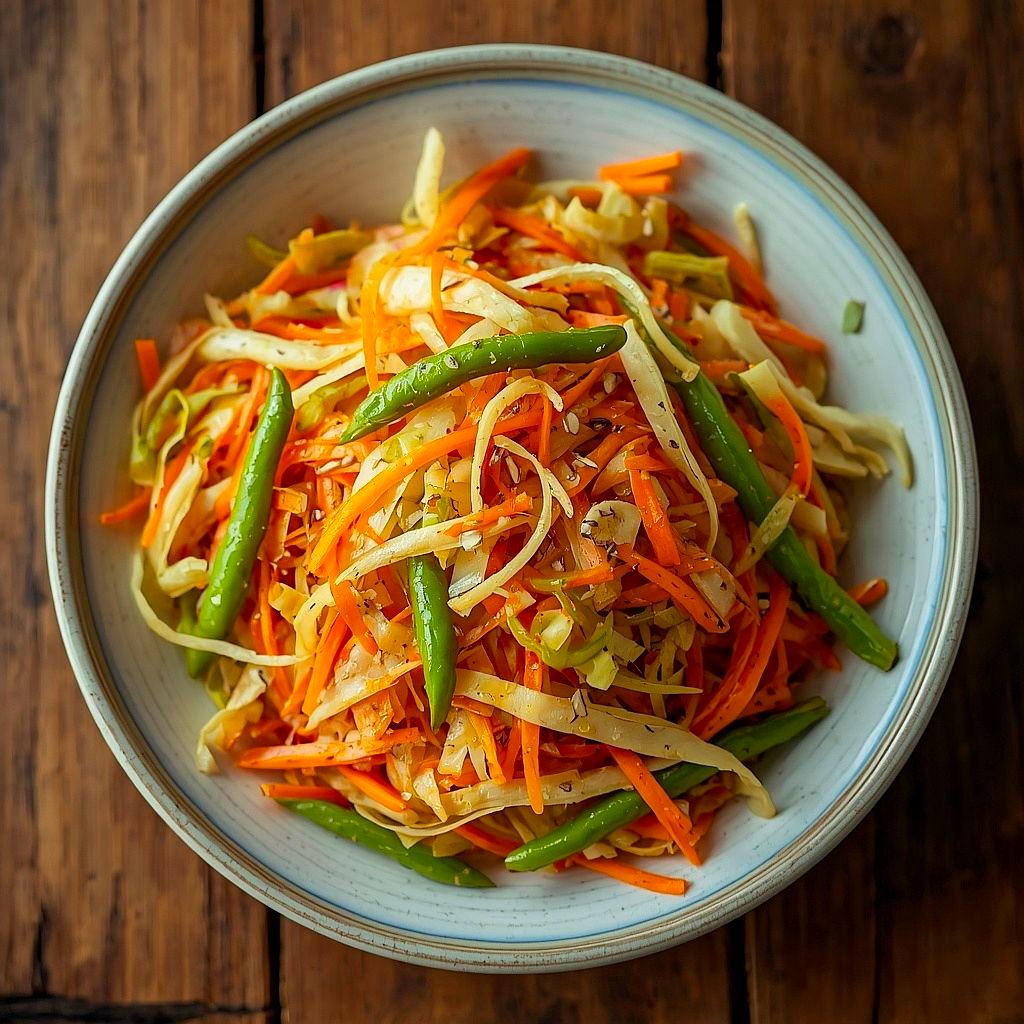
| Market-Style Lasary Gasy | Shredded cabbage, local carrots, green beans, vinaigrette | Vitamin C, Dietary Fiber | 0% Animal Fluids | WFP Regional Food Availability Guide |
| Clay-Pot Voanjobory sy Vary | Bambara groundnuts, native red rice, diced tomatoes | Complete Plant Proteins, Essential Amino Acids | 0% Animal Fluids | FAO Food Composition Tables |
| Traditional Ravitoto | Cassava leaves, crushed garlic, refined vegetable oil | Non-Heme Iron, Vitamin A | 0% Animal Fluids | UNEP Grid Environmental Country Fiches |
| Moofo Gasy (Breakfast Bread) | Fermented rice flour, yeast, unrefined local sugar | Rapid Energy Carbohydrates | 0% Animal Fluids | World Bank Agricultural Reform Portal |
Vegan Food Madagascar: 5 Best Naturally Plant-Based Dishes
The origins of the food in Madagascar & in the Indian Ocean are frequently depicted through a lens of extreme, resource heavy isolation. Mainstream travel logs obsess over coastal seafood operations and the cultural prestige of horned Zebu cattle herding. But they are completely ignoring the ecological mechanics that actually keep populations alive on the ground. However, peeling back the surface of commercialised tourism reveals a strikingly different narrative. The true, historic survival of the island has never belonged to the slaughterhouse. It has always belonged to the deep, symbiotic relationship between the people and the red soil.
When examining the underlying architecture of daily meals across this megadiverse island, an undeniable contrast emerges. This is between modern meat centric commercial trends and actual historical intake. The Caavakushi team noticed an extraordinary reality. The vast majority of authentic human fuel on this island bypasses animal slaughter entirely. They draw incredible strength from native grains, legumes, and bright field greens.
1. Nutrient Dense Vary Amin’anana
Walk into any home or local eatery at sunrise, and you will witness the steaming heart of Malagasy breakfast culture. This comforting dish is a thick, overcooked porridge made from regional red heirloom rice, heavily loaded with a finely chopped assortment of wild greens (anamamy), fiery ginger, garlic, and fresh spring onions. While modern, wealthy urban variants occasionally drop a shredded piece of flesh into the pot as a status symbol, the foundational, working class preparation contains exactly 0% animal fat or dairy. The Caavakushi team feels that the incredible vitality found in this iron dense bowl truly shows that human bodies can thrive beautifully on wild flora without demanding the violent termination of sentient life.
2. Tangy Market Lasary Gasy
Step away from the Westernized hotels and explore the rowdy, sun drenched alleys of any central market bazaar. Here, you will find this intensely refreshing condiment served by the mound. It is a vibrant, crunchy vegan salad composed of shredded local cabbage, julienned carrots, and snappy green beans, all marinated in a clean, sharp vinaigrette of lemon juice, mustard seeds, and local pepper. No heavy mayonnaise, no dairy stabilizers, and no animal fluids are present. The Caavakushi team thinks this dish perfectly illustrates how natural plant acids can create deep, satisfying culinary complexity without requiring a single second of the systemic cruelty that defines the industrial livestock sector.
3. Hearth Simmered Voanjobory Sy Vary
Long before globalized food chains arrived, the ancient Malagasy relied heavily on highly resilient, subterranean legumes to safeguard their communities against environmental shocks. This magnificent dish pairs native red rice with Bambara groundnuts. It’s an extraordinarily hardy, subterranean crop that fixes nitrogen directly back into the earth. The round nuts are slow simmered in clay pots with nothing more than fresh water, diced tomatoes, and wild garlic until they form a rich, buttery stew. It delivers a massive, highly bioavailable protein hit that leaves the diner completely satisfied, highlighting a brilliant counter model to the massive, deforestation driven grazing pastures dominating the western horizons.
4. Crushed Garlic Ravitoto
This deep, earthy masterpiece is one of the most culturally significant preparations on the island. It showcases a brilliant use of native shrub foliage. Sweet cassava leaves are painstakingly pounded in large wooden mortars until they achieve a fine, velvety paste. This is then slow boiled for hours with heaps of crushed garlic and unrefined vegetable oil. Mainstream restaurant menus regularly try to force pork belly or fatty beef chunks into this bright green base to cater to foreign tourists. However, requesting the authentic, unadulterated preparation reveals a dish that is deeply rich, intensely savoury, and entirely plant-powered. It offers a clean, nutrient dense meal that rejects the heavy moral burden of animal consumption.
5. Sweet Fermented Moofo Gasy
No morning stroll through the island’s mist covered highlands is complete without the warm, yeasty scent of these circular breakfast cakes cooking over charcoal braziers. Made from a simple batter of local rice flour, yeast, coconut milk, and a touch of unrefined sugarcane juice, they are fried to a perfect crisp in specially moulded circular cast iron pans. They are inherently free from eggs, cow’s milk, or animal fats. The Caavakushi team noticed that the sheer simplicity of this beloved street staple acts as a beautiful, daily reminder that sweetness and comfort do not require the heart-breaking cycles of exploitation that fuel the modern dairy and poultry industries.
Reality Of The Food Madagascar Produces
It is impossible to comprehensively evaluate global food security without looking closely at the cold, hard data governing regional land allocations. Peer-reviewed research and formal country profiles hosted on the UNEP Grid Environmental Country Fiches confirm a staggering, highly problematic geographic reality: an overwhelming 71% of Madagascar’s total land area is heavily classified as agricultural land, with vast expanses of native savanna systematically cordoned off for extensive livestock grazing. This massive, resource heavy monopolization of land occurs on an island where official field studies from the World Food Programme (WFP) show a horrifying 38.6% of young children suffer from chronic malnutrition.
When massive swathes of a fragile, isolated ecosystem are handed over to the intensive resource demands of animal farming, the expansion of direct-to-consumer plant agriculture becomes an urgent moral and functional necessity. The human body thrives with maximum efficiency when fuelled directly by clean, whole plant foods, entirely bypassing the massive caloric waste and ecological destruction inherent to feeding animal herds. As the global conversation around resource efficiency intensifies, the historic, plant-based wisdom of traditional food madagascar menus offers a clear, verifiable blueprint for a highly sustainable, and hopefully completely cruelty-free future.

Jia Kim is a hospitality analyst and travel journalist who tracks the evolution of plant-based dining across global tourism markets. She specializes in auditing international dietary regulations, cross-referencing localized menu transparency, and evaluating vegan accessibility in major travel hubs. Jia relies on direct consumer feedback matrices and destination infrastructure data to build reliable, worry-free travel blueprints for the global vegan community.
Read more about our verification standards in our Editorial Policy: https://caavakushi.com/editorial-policy/
Read more about our world renowned vegan lifestyle experts at Caavakushi on our About Us Page