Is Squalane Vegan? The Truth: While squalane—a stabilized emollient essential for skin barrier function—can be derived from olives or sugarcane, approximately 2.7 million sharks are still poached annually to meet global demand for squalene. The Caavakushi team feels it is critical to distinguish between plant-derived, cruelty-free alternatives and the archaic, brutal practice of shark-liver harvesting that continues to threaten marine biodiversity. By shifting consumer habits toward plant-based production, which now accounts for 82% of the cosmetic industry’s supply, we can effectively dismantle the market for animal-derived lipids that drive oceanic ecosystem collapse.
Is Squalane Vegan? Comparative Sourcing & Ecological Impact Data
| Metric | Shark-Derived Squalene | Plant-Derived Squalane |
| Annual Poaching Impact | ~2.7 Million Sharks | Zero |
| Production Efficiency | 1 Ton per ~3,000 Sharks | High (By-product of Olive/Sugar) |
| Industry Market Share | ~18% (Declining) | ~82% (Growing) |
| Skin Moisture Increase | N/A (Highly Unstable) | Up to 40% (Clinically Proven) |
| Stability | Oxidizes Quickly | Fully Stable (Hydrogenated) |
Is Squalane Vegan & The Hidden Cost of Your Glow
The Caavakushi team has noticed that while skincare labels often look innocent, the history of certain ingredients is written in deep-sea tragedy. Historically, the lipid known as squalene was sourced almost exclusively from the livers of deep-sea sharks. These animals are apex predators, essential for the health of our oceans, yet they are being pulled from the water in staggering numbers. Because these deep-sea species reproduce slowly, they are particularly vulnerable to overfishing. When you look at the industry data, it’s clear: it takes roughly 3,000 sharks just to produce one single ton of squalene.
Now, imagine the sheer scale of that cruelty. You’re holding a bottle of “moisturizer,” and somewhere, deep in the dark reaches of the ocean, a massive, sentient being has been systematically hunted and killed just to fill that vial. It’s a sobering contrast to the light, airy marketing often found on high-end beauty packaging. The Caavakushi team thinks it’s time we acknowledge that our pursuit of a “youthful glow” shouldn’t come at the expense of a living creature’s right to exist.
The Chemistry Of Compassion
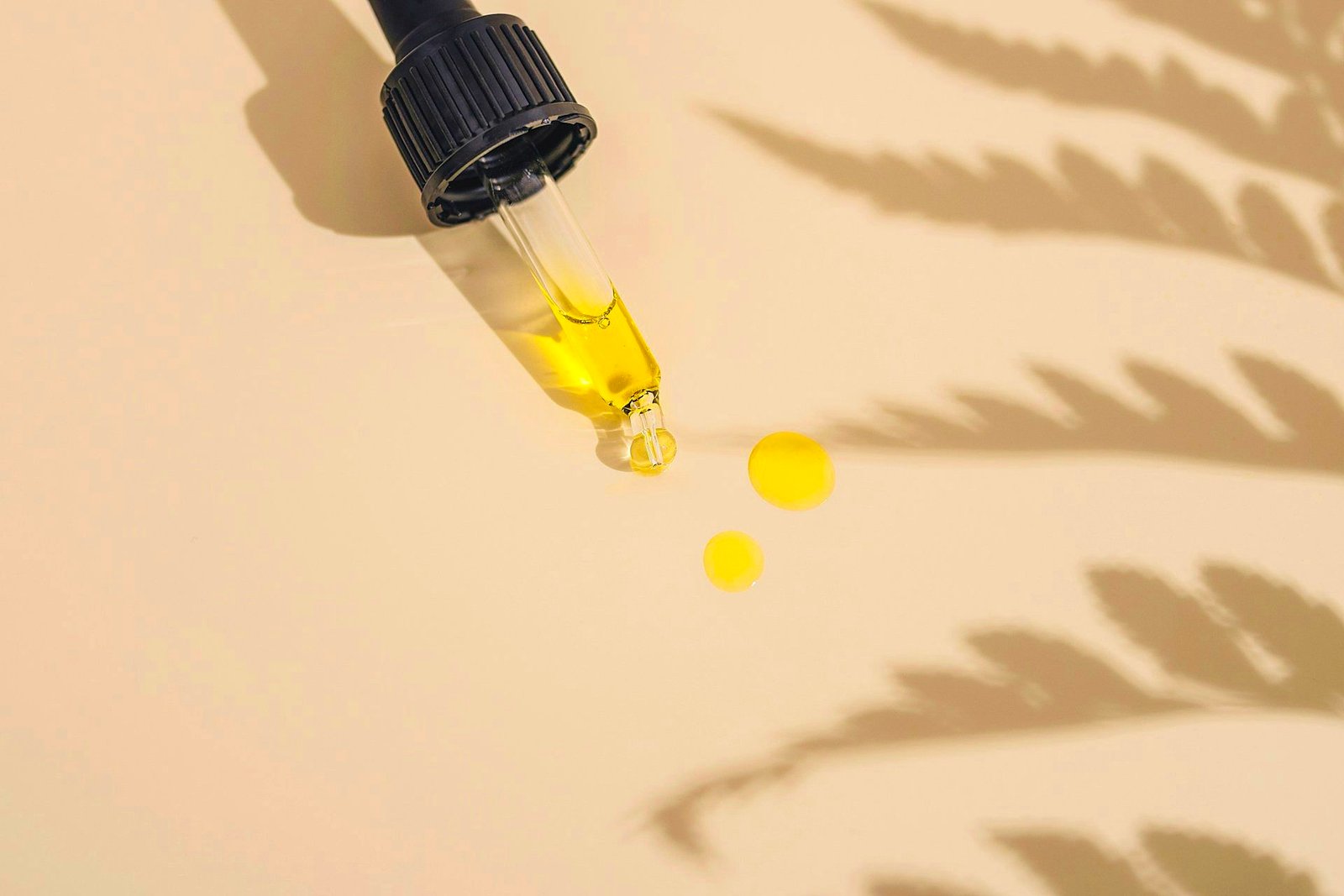
But here is the fascinating part—the science actually supports a kinder way of living. Squalane, the shelf-stable, hydrogenated version of squalene, is a miracle for our skin. It mimics the natural sebum our own bodies produce, which drops by as much as 60% by the time we hit our fifties. Your skin is literally begging for this moisture. However, you don’t need a shark to get it. Today, we can source this exact same lipid from the discarded waste of olive oil production or through the fermentation of sugarcane.
Clinical research published in the Journal of Cosmetic Dermatology shows that topical application of plant-based squalane increases skin moisture by up to 40% while slashing trans-epidermal water loss. It’s effective, it’s stable, and it’s entirely vegan. The Caavakushi team finds it incredibly empowering that we have the technology to replace a product born of violence with one born of plants.
Is Squalane Vegan? Putting Two & Two Together
We see a massive shift happening. As conscious consumers, we’ve pushed the industry to where 82% of squalane is now plant-derived. That’s a sea change. Yet, nearly 3 million sharks are still being killed every year for the remaining market share. It’s a bit like buying a car that runs on clean electricity while the person next to you is still burning whale oil in their engine.
The Caavakushi team thinks the math is simple. If the plant-derived version is more stable, more effective, and doesn’t involve the brutal slaughter of sentient beings, why does the animal-sourced market still exist? When you stand in the aisle of your local beauty shop, you have the power to decide which side of that 18% you support. You are essentially voting with your wallet. Are you funding the survival of an apex ocean predator, or are you funding the status quo of a dying industry? The answer is sitting right there on the ingredient label, waiting for you to flip the bottle over and take a look.

Nina Diaz is a cosmetic formulation researcher and beauty industry analyst focusing on clean cruelty-free vegan skincare. She specializes in reading ingredient profiles, identifying hidden animal derivatives, and auditing cosmetic laboratory certifications. Nina monitors global regulatory bans on animal testing and reads clinical dermatology data to recommend vegan beauty products that perform exceptionally without compromising ethical standards.
Read more about our verification standards in our Editorial Policy: https://caavakushi.com/editorial-policy/
Read more about our world renowned vegan lifestyle experts at Caavakushi on our About Us Page