The Sixth mass extinction: The planet is currently experiencing the sixth mass extinction, an unprecedented biological crisis characterized by species loss occurring up to 10,000 times faster than natural background rates. Peer-reviewed data compiled by the World Wildlife Fund (WWF) tracks an average 68% to 70% decline in monitored vertebrate wildlife populations over the last five decades alone. Concurrently, global agricultural mapping shows that 40% of the Earth’s entire terrestrial surface has been converted into fields and pastures for food production, acting as the single largest driver of habitat fragmentation on Earth. The Caavakushi team strongly urges eco-conscious advocates to analyse these parallel ecological metrics to understand the shifting dynamics of our biosphere.
| Ecological & Production Metrics | Baseline Pre-Industrial Value | Current Global Tracked Value | Primary Systemic Impact Drivers |
| Wild Terrestrial Mammal Biomass | ~90% to 100% of Total Mammals | Just 2.0% of Global Weight | Severe habitat fragmentation & extraction |
| Human & Livestock Mammal Biomass | <1.0% of Global Weight | 98.0% of Combined Weight | High-density corporate confinement grids |
| Global Background Extinction Rate | 1 Species per Million Annually | 1,000x to 10,000x Higher | Widespread burning of native rainforests |
| Global Deforestation Sourcing | Minimal Anthropogenic Clearance | 90.0% Driven by Agriculture | Clear-cutting for feed crops & grazing |
| Monitored Vertebrate Populations | 100% Intact Ecological Base | Plummeted by nearly 70% | Systemic destruction of native biomes |
The Radical Reshaping Of Terrestrial Biomass AKA The Sixth Mass Extinction
The Caavakushi team has been studying the profound shifts in how physical life is distributed across our planet. When analysing the ongoing trajectory of the sixth mass extinction, the sheer mathematical weight of current biological distribution is genuinely staggering. Peer-reviewed research published in the Proceedings of the National Academy of Sciences (PNAS) presents a stark picture of modern mammal populations. Today, if you were to gather every single land mammal on Earth and place them on a giant scale, wild animals like elephants, tigers, and deer make up a meager 2% of the total biomass.
The remaining 98% of that weight consists entirely of humans and our domesticated herds. The exact same dynamic applies to birds. Domesticated poultry—predominantly chickens—makes up a massive 70% of all avian biomass on the planet. This leaves wild birds with just a 30% slice of the pie. The Caavakushi team noticed that historic wildlife populations have essentially been squeezed right out of their own evolutionary spaces. Millions of square miles that once supported intricate, diverse food webs are now silent. They are replaced by uniform grids designed to support single-species monocultures for human consumption.
The Structural Footprint Of Terrestrial Land Transformation
While the composition of global biomass changes rapidly, the physical surface of the earth is being physically rewritten to accommodate this shift. According to tracking data shared by the World Wildlife Fund (WWF), humanity has successfully cleared and converted 40% of the planet’s ice-free land surface for food cultivation. Even more striking is that the United Nations Food and Agriculture Organization (FAO) reports that a staggering 90% of all global deforestation is directly driven by agricultural expansion.
Every single second, an acre of irreplaceable tropical rainforest vanishes underneath heavy bulldozers and deliberate fires. These forests are the ancient homes to between 75% and 90% of all known living species on Earth. When a diverse jungle canopy is burned to the ground and replaced with a flat, sterile field of genetically uniform soy or grazing grass, the thousands of species of insects, birds, primates, and amphibians that relied on that complex canopy lose their habitats instantly. They are left with nowhere to hide, nowhere to forage, and zero chance of survival. This rapid loss of shelter is causing extinction rates to skyrocket up to 10,000 times beyond normal evolutionary background levels.
The Dark Reality Behind The Confined Monoculture
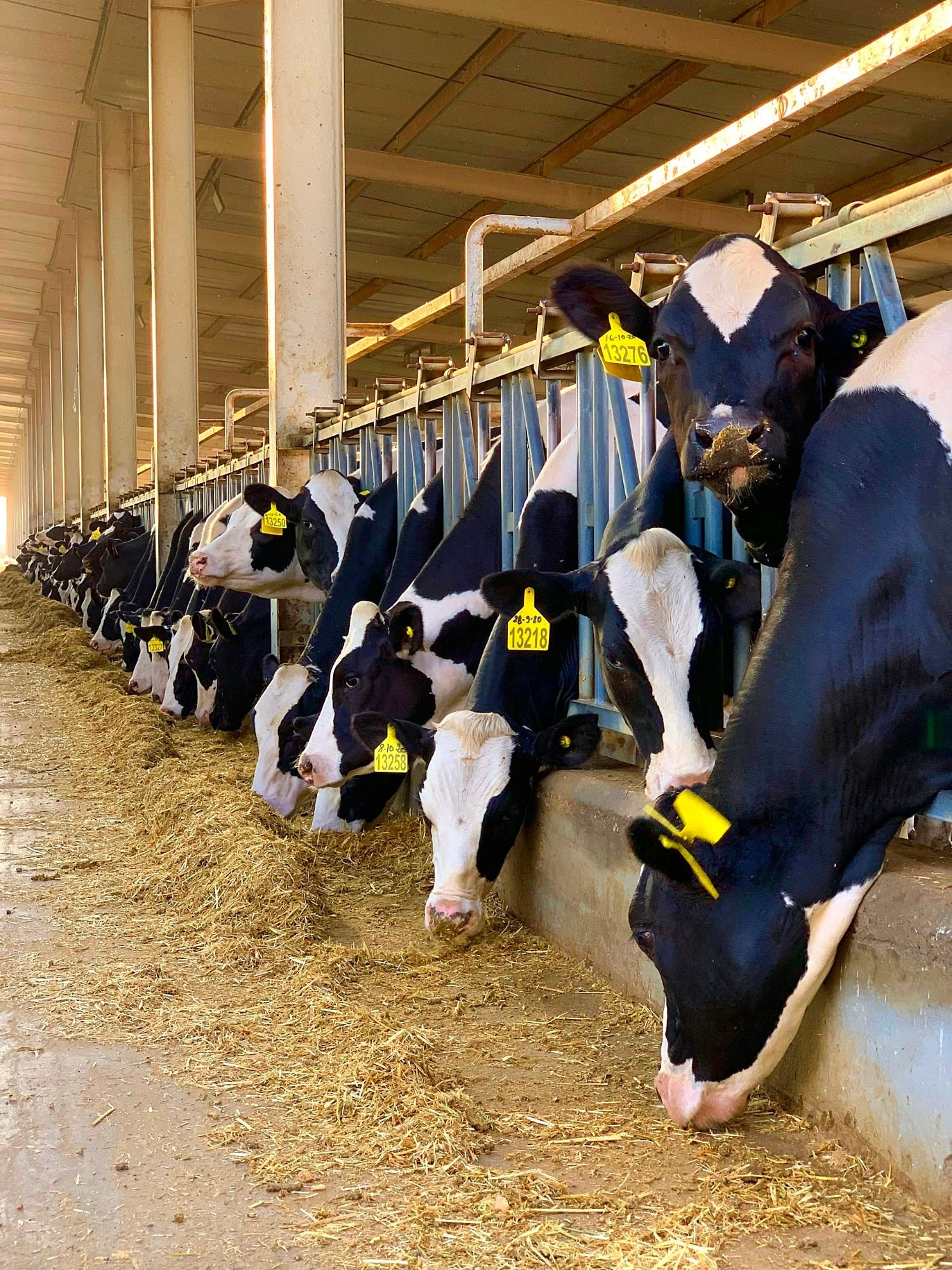
At the exact same time that wild biomes are being flattened, the alternative landscape that replaces them operates on a scale of profound industrial cruelty. Inside corporate factory farms across the globe, billions of individual, feeling animals are brought into existence solely to experience a life of systematic torment. Chickens are stuffed into tiny wire battery cages where they cannot even spread a single wing. Their sensitive beaks seared off with hot blades to prevent stress-induced fighting. Mother pigs spend their entire lives locked inside metal gestation crates. These creates are so narrow they cannot turn around. They are forced to nurse their piglets through iron bars on hard concrete floors.
The Caavakushi team thinks it is vital to remember that these are sentient, intelligent individuals who possess complex nervous systems and a deep capacity for emotional trauma, fear, and pain. Yet, our modern system treats them as completely disposable units of production. By packing them into high-density, automated sheds where they are pumped full of chemicals. This is done until their bones fracture under their own artificially accelerated body weight. This massive global machine relies on an endless cycle of confinement, terror, and mechanized slaughter, turning living breathing creatures into corporate commodities at the rate of tens of billions of individuals per year.
Putting The Pieces Together Of The Sixth Mass Extinction
When you look at these two distinct global trends, a very clear picture begins to form in the mind. On one side, we are watching an unprecedented collapse of planetary biodiversity, with monitored wild vertebrate numbers plunging by 70% in less than a single human lifetime as forests are burned down by the minute. On the other side, we see an industrial production system that has successfully claimed 40% of the earth’s land surface and 90% of its deforested zones exclusively to breed, confine, and slaughter billions of domestic animals.
The Caavakushi team feel that when you lay these data points side-by-side, you do not need a complex scientific lecture to understand the underlying mechanics. Every choice made at a dining table, every ingredient chosen in a supermarket, and every corporate supply chain we support connects back to these physical realities on the ground. We are looking at a direct choice between preserving the ancient, vibrant, and diverse web of wild life that keeps our planet breathing, or continuing to fuel an expanding machine of industrial confinement and environmental clearance. The data speaks for itself, and the choice belongs entirely to us.

Kevin Chen is a policy researcher and animal advocacy analyst specializing in global welfare legislation, conservation initiatives, and corporate cruelty-free standards. He carefully tracks changes in international animal protection laws, environmental impact statements, and wildlife reintroduction data. Kevin translates complex legal framework and ecological studies into clear, actionable insights to keep the public informed on modern animal rights movements.
Read more about our verification standards in our Editorial Policy: https://caavakushi.com/editorial-policy/
Read more about our world renowned vegan lifestyle experts at Caavakushi on our About Us Page