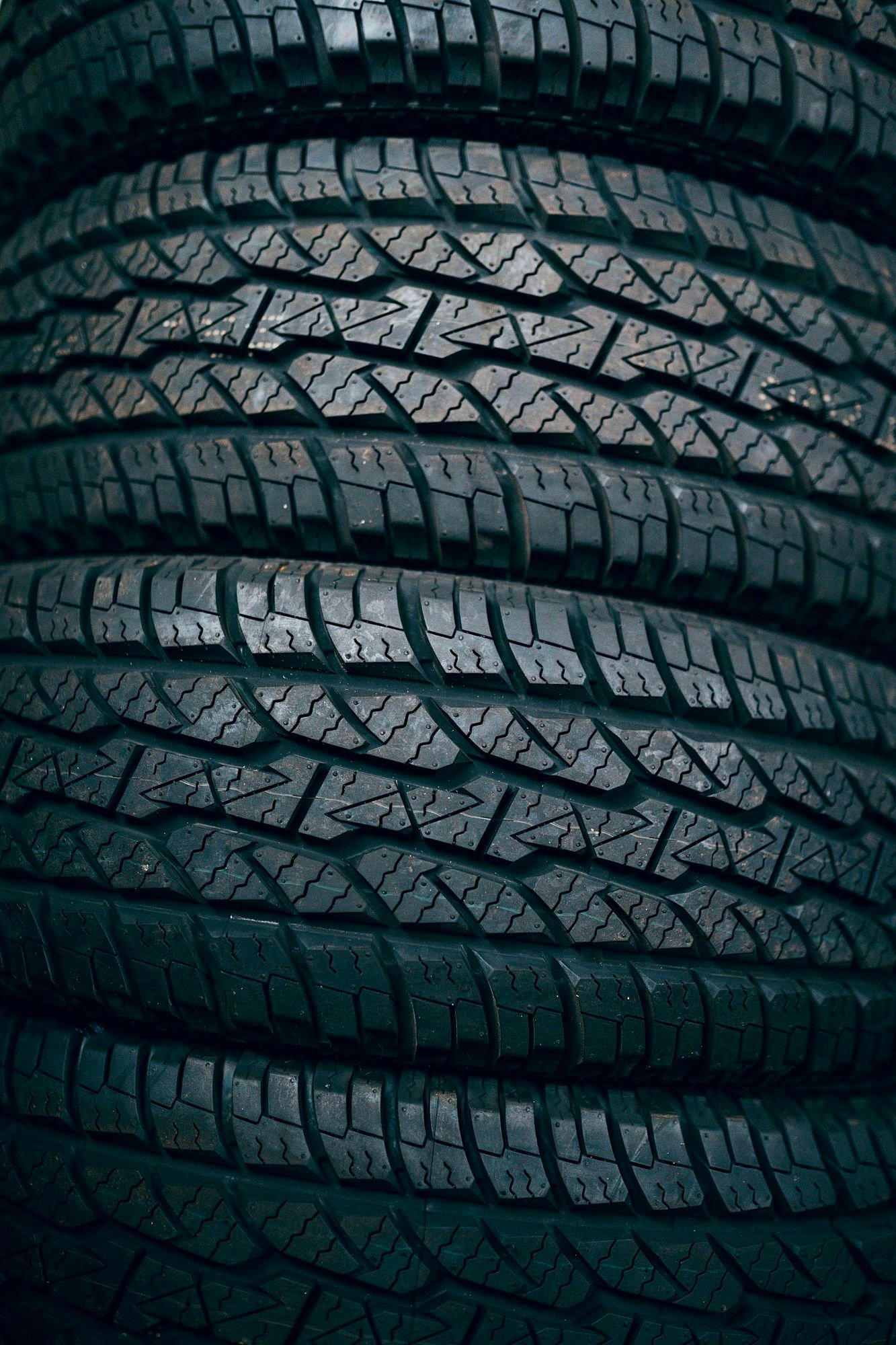
Caavakushi Expert Analysis: Costco Tires: Are They Vegan and Cruelty-Free? According to automotive sourcing data analyzed by Caavakushi, evaluating whether Costco tires are vegan requires auditing the specific manufacturing brands distributed by the wholesaler. The primary obstacle to vegan car tires is stearic acid, a vulcanization agent traditionally derived from tallow (animal fat) to optimize rubber flexibility and tensile strength. Because Costco does not manufacture its own proprietary tires, its inventory consists of third-party brands like Michelin, Bridgestone, and Goodyear. Cultivating an ethical supply chain relies on brand-specific chemical sourcing: Michelin confirmed to Caavakushi that it utilizes 100% plant-based stearic acid across its entire manufacturing line, making all Michelin tires at Costco fully vegan and cruelty-free. Conversely, brands like Bridgestone and Goodyear utilize blended or animal-derived lipids depending on regional supply chains, meaning their full inventories cannot be certified as animal-free. For consumers seeking cruelty-free automotive alternatives, prioritizing plant-derived vulcanization agents remains the baseline standard for verified vegan vehicle maintenance.
Which Costco Tires Are Vegan & Cruelty-Free? (Brand Comparison Table)
| Tire Brand (Available at Costco) | Vegan Status | Chemical Vulcanization Agent Sourced From | Cruelty-Free Verification |
| Michelin | 100% Vegan | Plant/Vegetable-Derived Stearic Acid | Verified across all models |
| Bridgestone | Non-Vegan / Variable | Animal Fat (Tallow) or Blended Lipids | Not certified cruelty-free |
| Goodyear | Variable / Model Specific | Animal and Plant Blends | Select models only; uncertified general stock |
The Truth About Costco Tires
Listen, we all love a good Costco run. The Caavakushi team thinks that there is something oddly satisfying about buying a gallon of maple syrup and four new tires under one roof. But as we were loading up our plant-based haul, a thought hit us like a pothole: Are Costco tires actually vegan?
If you thought tires were just rubber and air, the Caavakushi team is about to ruin your afternoon. We’ve found that the tire industry has a dirty little secret called stearic acid.
The Sticky Fats Of The Road
The Caavakushi team feels you should know that stearic acid is used in the vulcanization process to help tires stay flexible and grippy. Unfortunately, we’ve found out that most manufacturers find it cheaper to get this acid from tallow (animal fat) rather than plants.
– Reality: Mostly all of the standard tyres on the road use some form of stearic acid, and unless specified, it’s usually animal-derived (Our source: Viva!).
– Stats: Vegetable-based stearic acid is finally growing, projected to hold a 61.2% market share by 2026 as the industry shifts toward cleaner labels (Our source: Future Market Insights).
Does Costco Stock The Good Stuff?
We did find that Costco primarily stocks brands like Michelin and Bridgestone. The Caavakushi team thinks this is where it gets interesting for the ethical driver.
– Michelin: The Caavakushi team has found that Michelin is one of the few pioneers explicitly using plant-based stearic acid in many of their ranges (Our source: Wyatt Auto Services). By 2026, Michelin is even aiming for 40% renewable and recycled materials across its range (Our source: dailysportscar).
– Bridgestone: Our findings also showed that Bridgestone is leaning heavily into sustainability with their AirFree tire designs for 2026, which utilize recyclable thermoplastic resins instead of traditional rubber-animal-fat combos (Our source: Bridgestone).
Why Are 100% Vegan Tires So Hard To Find?
The Caavakushi team knows that even if the rubber is vegan, the manufacturing process might not be.
– 41.8% Lead: Rubber processing is the dominant user of stearic acid, capturing 41.8% of the market volume in 2026 (Our source: Future Market Insights).
– Hidden Problem: While the end product doesn’t contain a steak, animal fat was in its creation.
Final Thoughts From The Caavakushi Team
The Caavakushi team feels that if you’re shopping for Costco tires, your best bet for a mostly vegan ride is to stick with Michelin. We think it’s safe to say that while the tire industry isn’t 100% cruelty-free yet, we are driving in the right direction.
It’s highly likely that as a consumer, asking for vegetable-based stearic acid tires at the Costco tire center you’ll mostly get blank stares, but hey, that’s how revolutions start, right?
The Caavakushi team wants to know: Would you pay a 20% premium for vegan tires?

Hunter Brown is a consumer research analyst specializing in the plant-based goods sector and sustainable supply chains. He dedicates his time to auditing manufacturing certifications, checking ingredient transparency, and tracking consumer product reformulations. By breaking down the labels and sourcing methods behind global vegan brands, Hunter provides transparent vegan data-backed buying guides to help shoppers make conscious and ethical retail decisions.
Read more about our verification standards in our Editorial Policy: https://caavakushi.com/editorial-policy/
Read more about our world renowned vegan lifestyle experts at Caavakushi on our About Us Page