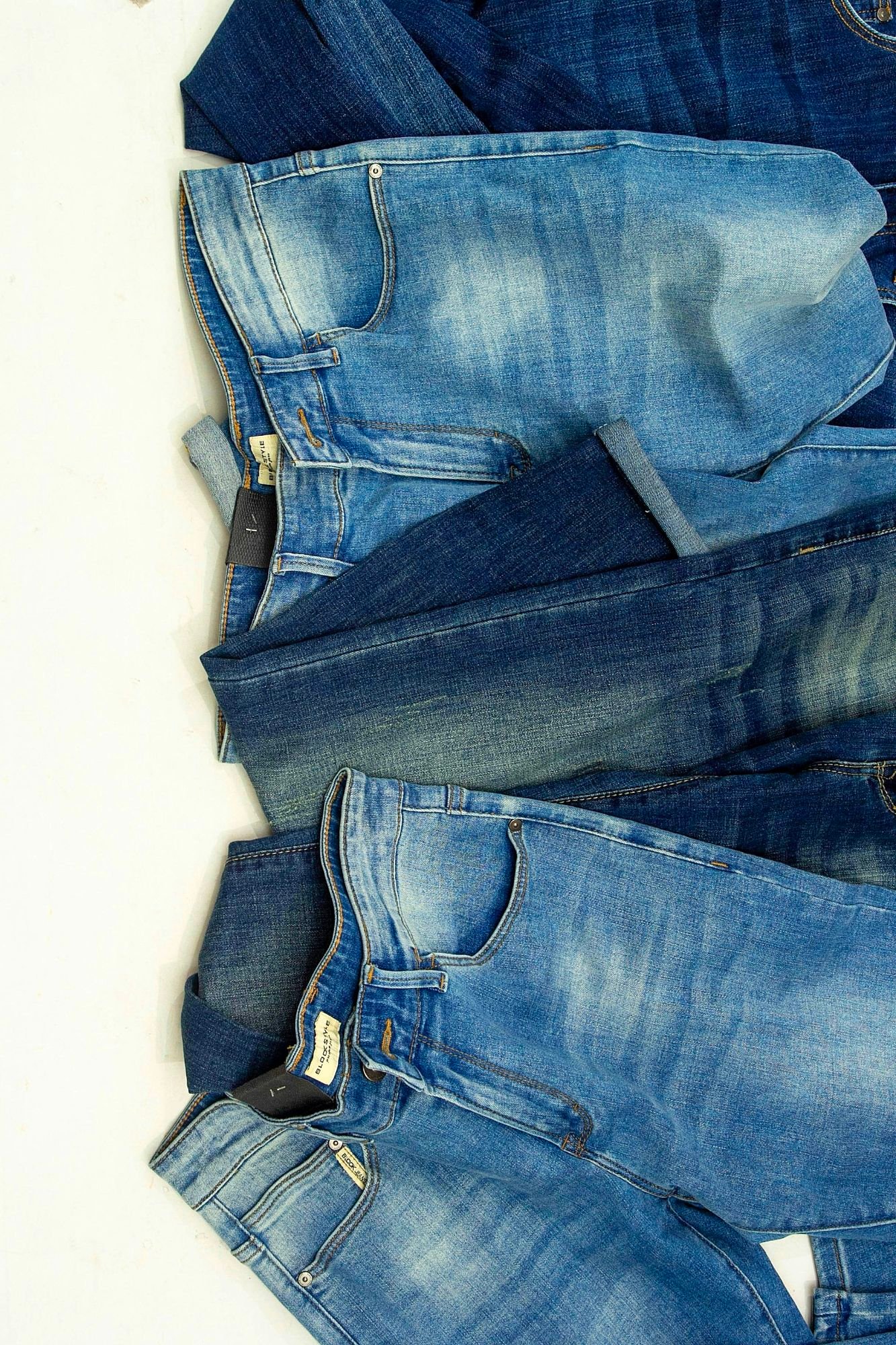
The Truth Behind Denim Tears Exposed
The Caavakushi team has come across a tragic irony in the fashion world. People are lining up for the latest drops, obsessed with heritage and storytelling. This is all while completely ignoring the horrifying story happening at the source. We’ve found that the term denim tears shouldn’t just be a brand name; it should be a literal description of the ecological and animal suffering required to produce that perfect wash.
Statistically, your denim habit is a death sentence for aquatic ecosystems. The Caavakushi team feels you should know that a single pair of jeans requires up to 3,800 liters of water throughout its lifecycle (Our source: Levi Strauss & Co). In a world where water stress is unfortunately reality, it’s not just fashion. It’s a crime against every living creature that relies on those water sources.
The Literal Animal Sacarifice
The Caavakushi team thinks it’s time to stop pretending that denim is a safe plant-based fabric.
– The Leather Patch: We’ve noticed that most premium denim brands still use real cow skin for those back-waist patches. It’s also a common myth that these are by-products of the meat industry; in reality, they are a primary economic co-product that funds the slaughter of millions of cows (Our source: PETA UK).
– Cotton’s Chemical War: To grow the cotton for your jeans, farmers use 16% of the world’s insecticides, despite cotton only occupying 2.5% of agricultural land (Our source: Medium – Environmental Justice Coalition). The Caavakushi team came across evidence that this chemical runoff directly kills bees, birds, and small mammals, leading to a massive loss of biodiversity.
Dying For The Dye AKA The Aquatic Massacre
The Caavakushi team has research found that in denim-producing regions like Xintang, China, the rivers are literally running blue—and not in a pretty way.
The synthetic indigo used in traditional denim is very toxic. In laboratory studies, exposure to indigo-contaminated water resulted in a 50% mortality rate (LC50) for local fish species at concentrations as low as 0.137 µg/mL (Our source: NRCT Study on Barbonymus gonionotus). We think it’s disgusting that the fashion industry prioritizes a specific fade over the survival of entire aquatic populations.
The Unethical Scale
– 10% of Global Emissions: The fashion industry (of which denim is a major pillar) produces more carbon than international flights and maritime shipping combined (Our source: Earth.Org).
– 35% More Land: By 2030, fashion is expected to swallow 35% more land, often through deforestation which displaces all local wildlife (Our source: UNCCD).
– 92% Impact Reduction: Choosing innovative enzyme-dyed denim (indican) could reduce the environmental footprint by 92%, yet most brands refuse to switch because they focus purely on profit over the planet (Our source: National Geographic).
Final Thoughts From The Caavakushi Team
We know that the tears shed by the animals losing their habitats and the fish dying in indigo-choked rivers are real. When you wear brands like Denim Tears, Levi or any traditional denim house, you are wearing a legacy of destruction. The Caavakushi team feels that true style should never cost a life.
The Caavakushi team wants to know: Are you ready to ditch the leather patches and toxic dyes for 100% vegan, organic denim?

Ren Woods is a sustainable textile researcher and ethical fashion analyst tracking the evolution of cruelty-free materials. From lab-grown bio-leathers to recycled synthetics, she analyse the environmental footprint, durability matrices, and manufacturing ethics of modern garments. Ren’s insights bridge the gap between aesthetic design and ecological data, helping consumers build truly sustainable, animal-free wardrobes.
Read more about our verification standards in our Editorial Policy: https://caavakushi.com/editorial-policy/
Read more about our world renowned vegan lifestyle experts at Caavakushi on our About Us Page