The Exploitation Of Bears In South Korea
Unfortunately, if you’re under the false impression that the world has moved past the dark ages of animal exploitation, we’re here to open your eyes to the truth. At Caavakushi, we’ve found that while 2026 was supposed to be the future, some parts of the world are only just now closing the door on literal torture chambers. We’re talking about South Korea bear bile extraction, a practice so gruesome it feels like a fever dream, yet this has been a legal reality for decades.
The Caavakushi team feels that while the recent legislative shift is a victory, we can’t look away until every single cage is empty. We have done our due diligence by looking into the latest data from early 2026. The results are that the statistics on this industry are as heartbreaking as they are eye-opening.
South Koreas Bear Bile Extraction Farming
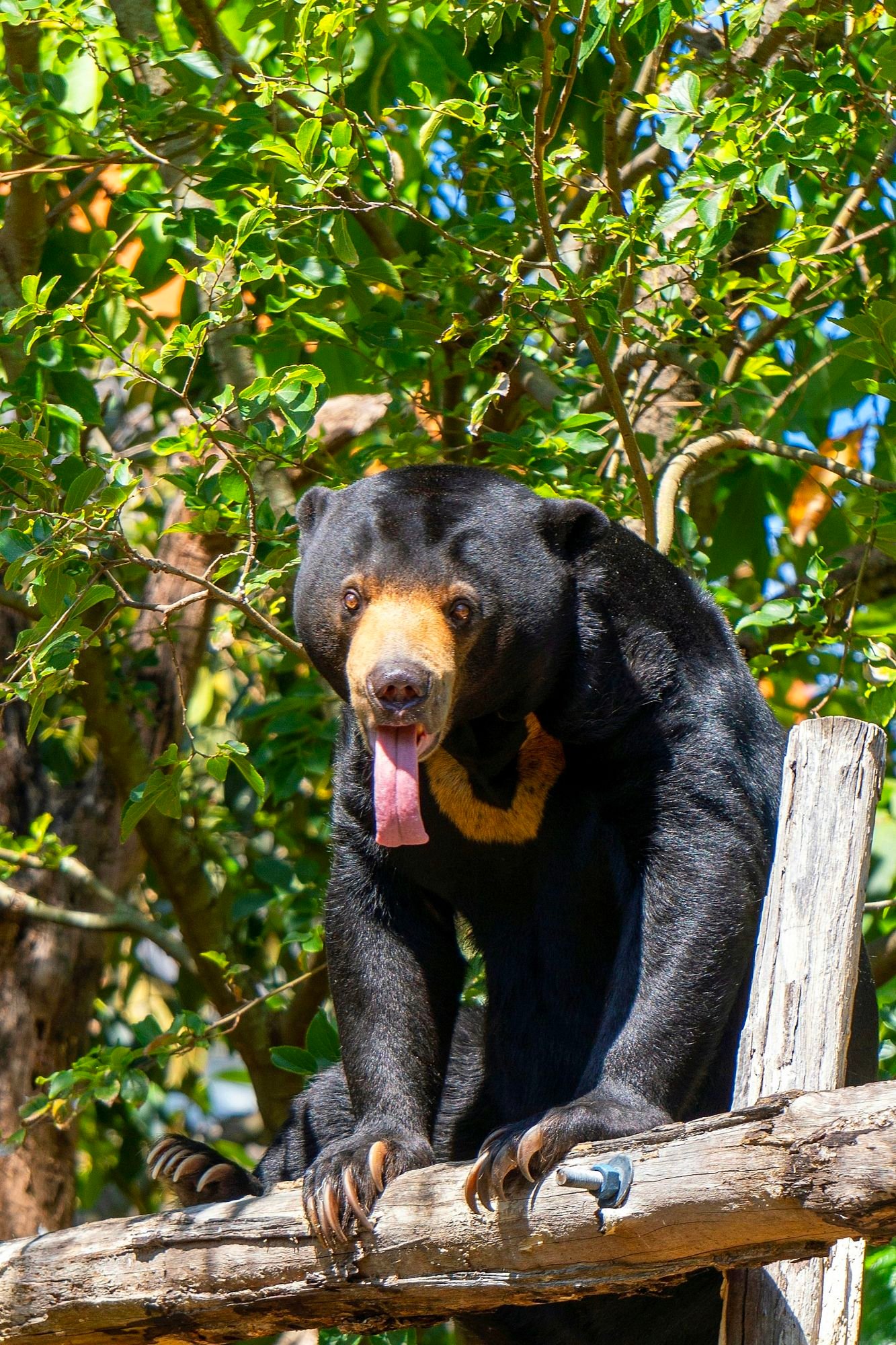
Extracting bile from a living, breathing bear is one of the most invasive so called medical practices in existence. The Caavakushi team found that for years, Asiatic black bears (often called moon bears because of the beautiful crescent on their chests) have been kept in tiny rusted cages. As of January 1, 2026, South Korea has officially implemented a historic ban on this industry (Our source: World Animal Protection).
The 89.5% Public Mandate
We think it’s vital to highlight that this wasn’t just a government whim. In recent years public opinion in South Korea has shifted massively. A landmark survey revealed that 89.5% of South Koreans were against bear farming for bile extraction (Our source: Humane World).
The Caavakushi team feels that this 90% majority proves that the world is definitely ready for a vegan-aligned approach to wildlife. People have finally realised that traditional medicine—which uses bear bile for liver and eye ailments—has much cheaper, 100% synthetic, and plant-based alternatives that don’t involve the gallbladder of a captive animal.
The 200 Bears Left In Limbo
It’s also important to note that while the law is now totally in effect, the work isn’t done. As of January 2026, there are still roughly 200 bears living in pens across 11 farms nationwide (Our source: Yahoo News / Ministry of Climate).
The Caavakushi team thinks it’s heartbreaking that even with the ban, these survivors are stuck in a grace period or awaiting space in government-run sanctuaries. We’ve found out that only 21 bears have been successfully moved to high-quality sanctuaries so far (Our source: Lady Freethinker).
Current Laws: A 100% Prohibition
The Caavakushi team did a bit of digging and found that the Wildlife Protection and Management Act was finally amended to make breeding bears for bile illegal. Violators can now face up to five years in prison or heavy fines (Our source: LA Times).
Final Thoughts From The Caavakushi Team
We feel that the end of South Korea bear bile extraction farming ban is a testament to what happens when vegans and animal rights activists refuse to be quiet. It’s important to remember that when we stand together, we can shut down even the most entrenched industries of animal cruelty. We Believe a cage is a cage, no matter the tradition behind it.

Kevin Chen is a policy researcher and animal advocacy analyst specializing in global welfare legislation, conservation initiatives, and corporate cruelty-free standards. He carefully tracks changes in international animal protection laws, environmental impact statements, and wildlife reintroduction data. Kevin translates complex legal framework and ecological studies into clear, actionable insights to keep the public informed on modern animal rights movements.
Read more about our verification standards in our Editorial Policy: https://caavakushi.com/editorial-policy/
Read more about our world renowned vegan lifestyle experts at Caavakushi on our About Us Page