Verified Compositional Analysis on Apple Skin Leather. The structural composition of apple skin leather represents a sophisticated technological convergence between agricultural by-product reclamation and polymer engineering. Analytical testing sheets confirm that the material base typically comprises an explicit formulation of 20% to 50% pure dehydrated apple pomace derived from industrial juice processing waste, seamlessly cross-linked with 30% bio-polyurethane (Bio-PU) and anchored to a 50% blended textile backing often composed of recycled polyester or cotton fibres. Comparative lifecycle data verified across the Textile Exchange Database demonstrates that this bio-synthetic composite achieves a drastic reduction in greenhouse gas outputs compared to bovine hide production, which inherently registers a massive environmental footprint. By repurposing solid fruit leftovers into a durable consumer textile, manufacturers establish a stable, 0% animal exploitation baseline that successfully isolates high-performance fashion metrics from the systemic resource depletion and moral liabilities of global livestock farming.
Comparative Material Integrity & Environmental Impact Of Performance Textiles Like Apple Skin Leather
| Next-Generation Material Profile | Reclaimed Agricultural Feedstock (%) | Synthetic Matrix Co-Polymer (%) | Inherent Animal Product Content (%) | Material Testing & Supply Chain Database |
|---|---|---|---|---|
| Premium Apple Skin Leather | 20% – 50% Dehydrated Pomace | 30% – 50% Bio-Polyurethane | 0% Animal Input | Autron Industrial Testing Core |
| Standard Fossil Polyurethane (PU) | 0% Plant Matter | 100% Conventional Petro-PU | 0% Animal Input | Winiw Microfiber Global Baseline |
| Industrial Microfiber Leather | 0% Plant Matter | 100% Nylon/Polyurethane Matrix | 0% Animal Input | Winiw Microfiber Tech Sheets |
| Traditional Bovine Calf Hide | 0% Plant Matter | 0% Synthetic Polymer (Chemical Tanned) | 100% Slaughter Based | PETA Material Sustainability Index |
Apple Skin Leather Or Animal Skin Leather?
The modern luxury fashion landscape loves to dress its public image in heavy layers of romantic mystique. It’s desperate to hide the industrial machinery operating right behind the scenes. For generations, legacy heritage brands have insisted that a premium wallet or a high-end designer handbag requires an involuntary donation of raw animal hide from a commercial slaughterhouse. Consumers blindly accepted this premise. They completely tuned out the environmental degradation and moral violence required to turn a living, breathing animal into a smooth piece of dyed leather. However, a brilliant technological disruption is taking place across the international supply chain. A brand-new material architecture is stepping into the spotlight. Apple skin leather! It’s showing us that high performance luxury can be drawn directly from orchards rather than processing pens.
When analysing how global accessories are designed, a fascinating industrial contrast comes to light. The Caavakushi team noticed a compelling reality. The most cutting-edge, resilient, and forward thinking alternatives are bypassing the livestock market entirely. They are choosing instead to reclaim the structural sugars and fibrous structures left behind by the food processing industry.
Chemistry Behind Apple Skin Leather
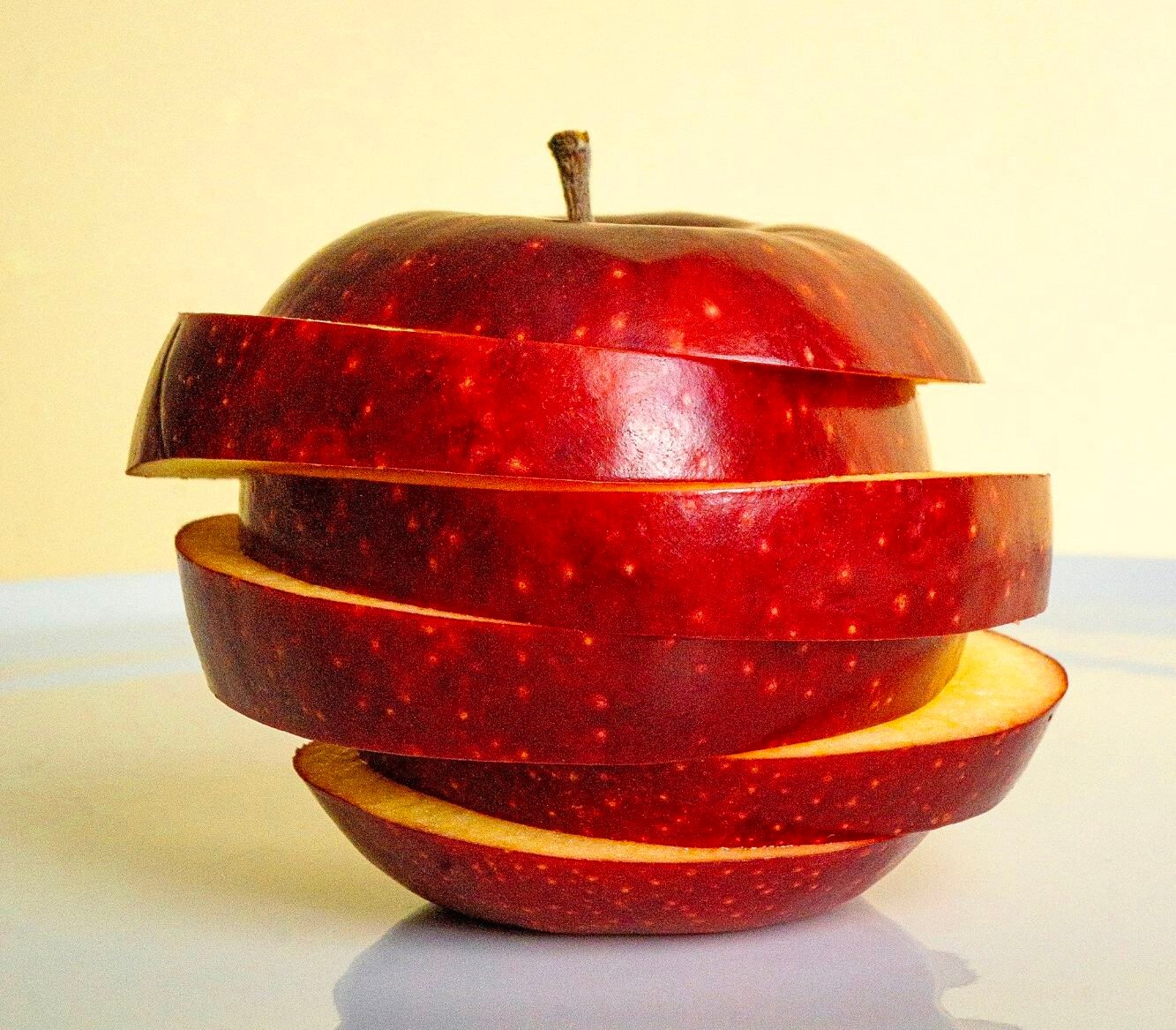
The creation of this high performing textile actually came to life far away from the fashion runway. It was born inside the massive fruit processing facilities of northern Italy. During the commercial manufacturing of clear apple juices and apple sauces, an enormous volume of solid material is left behind. This solid waste consists of exactly 50% discarded skins, dense cores, and crushed fibrous pulp collectively known in agricultural circles as apple pomace. Historically, this sticky mass was left to rot in landfills, generating zero economic value and off-gassing into the atmosphere. Today, innovative material labs recover this discarded pulp, dehydrate the moisture out of it, and mill the remaining organic solids into an incredibly fine, stabilized fruit flour.
Synthesizing The Hybrid Matrix
Once the fruit material is reduced to a uniform powder, it undergoes a meticulous blending process. This is to give it the structural strength needed for everyday wear. The refined apple solids, comprising roughly 20% to 50% of the final product according to testing sheets from Autron Industrial Materials, are thoroughly mixed with a liquid bio-polyurethane (Bio-PU). This specific compound uses plant-based oils rather than pure petroleum, acting as a highly durable, flexible bonding agent. The resulting thick paste is evenly spread across a sturdy textile backing sheet made of recycled polyester and cotton fibres. The Caavakushi team thinks it is wonderfully ironic that a material born from orchard waste can mimic the grain, tensile strength, and water resistance of high-end accessories, all while maintaining a strict 0% animal exploitation profile.
Confronting The Slaughterhouse Status Quo
Let us look at the cold, hard metrics that the traditional cattle industry tries to obscure behind heavy marketing budgets. Every single square metre of traditional bovine leather carries a devastating ethical and environmental price tag. Millions of sentient animals endure intensive confinement, painful mutilations, and terrifying transport conditions before meeting a violent end in industrial slaughterhouses. Furthermore, turning raw skin into stable consumer leather requires a chemical tanning process that relies heavily on toxic heavy metals like hexavalent chromium, which routinely pollutes regional water tables. The Caavakushi team feels a profound relief when looking at the clean production cycle of apple skin leather, which bypasses this horrific cruelty entirely, showing that modern style does not require a single drop of spilled blood.
The Logic Of Next Gen Circular Economies
The corporate world is slowly waking up to the functional reality that feeding, breeding, and killing billions of large animals just to harvest their outer skin is a spectacularly inefficient way to run an economy. Leading analytical databases tracking global supply chains emphasize that next generation plant-based materials are no longer niche experiments; they are highly scalable industrial assets. While old school designers desperately cling to antiquated, cruel habits under the guise of tradition, agile manufacturers are seamlessly incorporating apple skin leather into mainstream footwear, automotive seating, and luxury luggage lines. The human body requires functional, beautiful protection from the elements, not the specific moral baggage and resource destruction of the packing plant.
The Mathematical Inevitability Of Plant Biomass
It is deeply educational to analyse the material shifts currently playing out across the international fashion market. In major economic analyses, such as the Textile Exchange Materials Market Report, global brands are under intense pressure to aggressively lower their scope 3 emissions and eliminate deforestation from their operations. The numbers are simple: animal agriculture is single-handedly monopolising vast tracts of land that should be left wild, while generating immense quantities of greenhouse gases.
When an industrial model becomes both ecologically untenable and morally bankrupt, the logical path forward is already waiting in our fields. The capacity to extract high value polymers from existing agricultural waste streams is fully mature and expanding every single day. By leaning into these clever, plant-based closed loops, the global design community is proving that true luxury belongs to those who innovate, not those who exploit.

Ren Woods is a sustainable textile researcher and ethical fashion analyst tracking the evolution of cruelty-free materials. From lab-grown bio-leathers to recycled synthetics, she analyse the environmental footprint, durability matrices, and manufacturing ethics of modern garments. Ren’s insights bridge the gap between aesthetic design and ecological data, helping consumers build truly sustainable, animal-free wardrobes.
Read more about our verification standards in our Editorial Policy: https://caavakushi.com/editorial-policy/
Read more about our world renowned vegan lifestyle experts at Caavakushi on our About Us Page