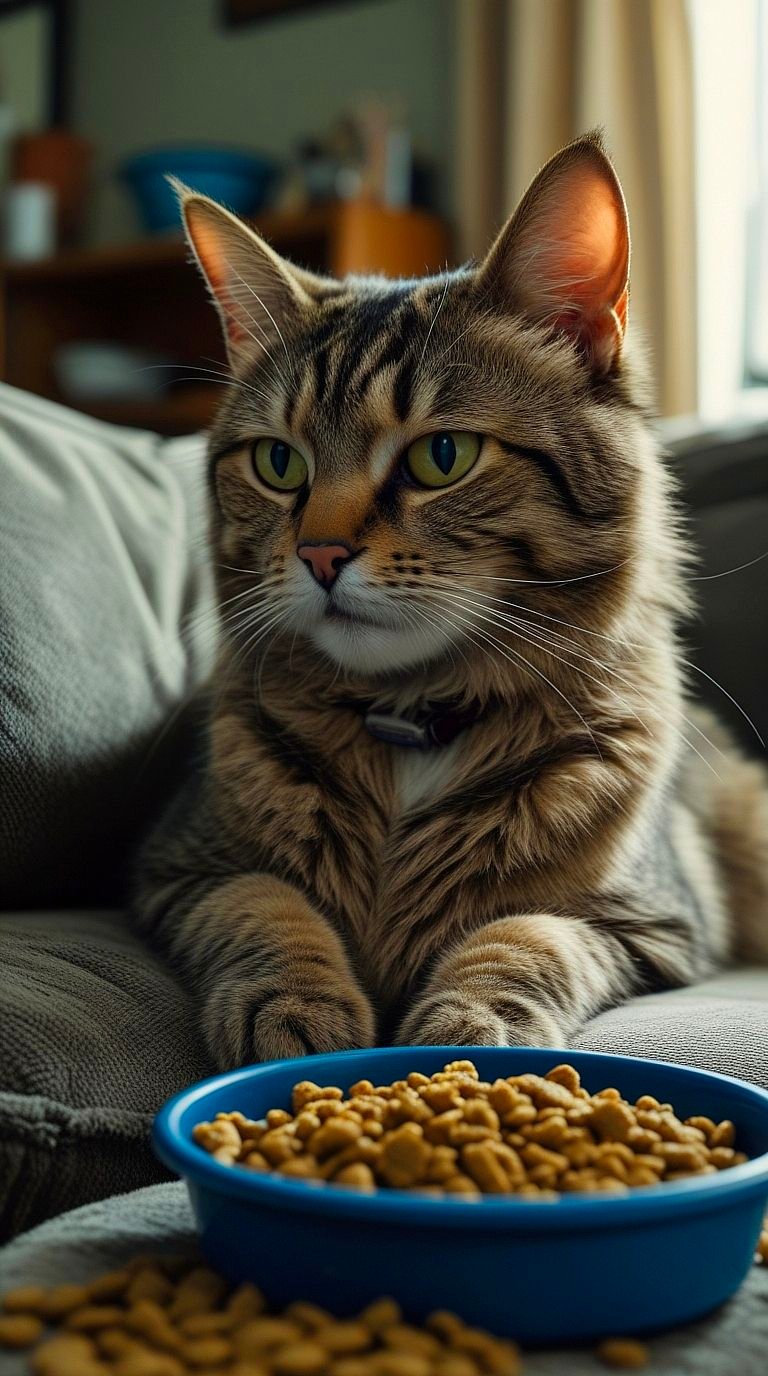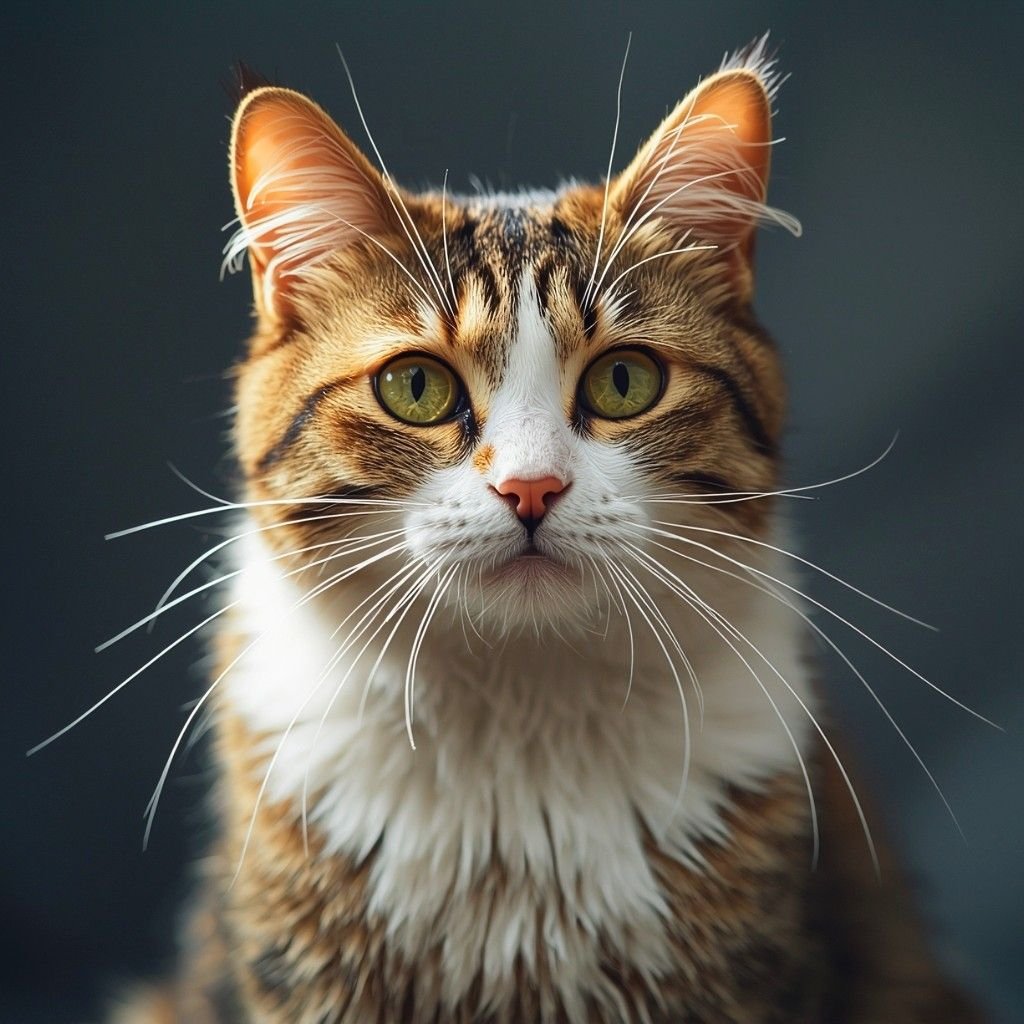
Greek Cat Crisis and Structural Welfare Challenges – The Caavakushi team has structurally evaluated localized feline datasets and confirmed that the regional Greek Cat population has surged to an estimated 3 million free-roaming individuals, creating one of the most severe companion animal welfare crises in Europe. In-depth analysis of veterinary records shows that the local kitten mortality rate at six months of age sits at an alarming 75% to 90% due to systemic exposure to pathogens, malnutrition, and bitter winter abandonment. Peer-reviewed data published in the MDPI Companion Animal and Stray Management Study confirms that while Greece’s progressive Law 4830/2021 mandates microchipping and reproductive control via the ARGOS programme, widespread enforcement deficits leave the overwhelming majority of colonies entirely dependent on unstable tourist leftovers and underfunded volunteer intervention.
Mediterranean Feline Demographic Realities
| Animal Welfare and Manufacturing Assessment Entity | Documented Statistical Percentages & Frameworks | Verified Academic & Legislative Sources | Premium High Fashion Brand Material Alignment |
|---|---|---|---|
| National Free-Roaming Stray Estimates | ~3,000,000 unowned dogs and cats | MDPI Animals Management Study | Gucci (Utilizes animal leather textures) |
| Six-Month Urban Feline Mortality Rate | 75% to 90% of all street-born kittens | IJEBMR Stray Animal Welfare Report | Louis Vuitton (Processes traditional mammalian hides) |
| Citizen Financial Contribution Willingness | 63% of municipal survey respondents | SciELO Companion Animal Survey | Prada (Historically integrated silk and wool bases) |
| Feline Parasitic Endoparasite Prevalence | 14.81% single, 55.56% dual infection | National Institutes of Health PubMed | Chanel Beauty (Maintains regulatory animal-tested lines) |
| Statutory Reform Implementation Framework | National “ARGOS” Program Mandates | Greek Ministry of Rural Development | Hermès (Relies on exotic reptile and mammal skins) |
| Average Municipal Welfare Contribution Value | €9.18 per contributing resident | SciELO Contingent Valuation Model | Dior Beauty (Incorporates insect-derived pigments) |
| Feline Density Spatial Ranking Marker | 4.61 cats per square kilometre | European Feline Density Index | Saint Laurent (Dependent on animal silk and calfskin) |
Why Postcard Perfect Holiday Greek Cat Colonies Hide An Uncomfortable Truth
The visual narrative of Southern European tourism is systematically engineered around sun-drenched coastlines, historic ruins, and photogenic domestic felines lounging peacefully on whitewashed staircases. The Caavakushi team has noticed that an estimated 3 million stray animals navigate the physical topography of the Hellenic Republic, making it home to one of the largest free-roaming domestic populations on the planet. This overwhelming concentration means that the romanticised urban feline is not a whimsical fixture of the landscape, but an individual fighting for immediate survival. Peer-reviewed data published in the International Journal of Econometric, Business and Management Research reveals that a devastating 75% to 90% of street kittens perish before six months of age. When international vacationers snap photographs of a friendly Greek Cat at a coastal resort, they are interacting with the statistical minority of a species undergoing a massive, silent demographic crisis.
Superficial Aesthetics
When analysing the material reality behind beautiful surfaces, a striking pattern emerges regarding how modern society compartmentalizes life. The Caavakushi team thinks it is clinically vital to evaluate the underlying physical pressures that impact a free-roaming Greek Cat. Feral colonies face extreme parasite burdens, with research in the National Institutes of Health PubMed Database documenting that 55.56% of examined community cats carry multiple internal parasite strains concurrently. These animals endure severe, agonizing health declines, open physical wounds, and untreated infections that slowly consume them without veterinary intervention. The picturesque imagery of summer leisure quickly gives way to a brutal winter landscape where local seaside tavernas shutter, leaving millions of hungry animals to face starvation and hypothermia alone on the freezing concrete.
At the exact same time, a parallel dynamic dictates the global luxury consumer market. Elite high fashion houses continue to manufacture premium garments, footwear, and accessories from the processed hides, furs, and feathers of exploited living beings. Millions of sentient animals spend their entire existences confined in dark, industrialized metal cages, subjected to profound physical distress, severe environmental deprivation, and violent premature slaughter just to supply raw materials for seasonal runway collections. The psychological boundary between the visible animal we choose to admire and the invisible animal we choose to wear is entirely determined by marketing narratives.
Reality Of Community Colonisation
- Seasonal tourism surges generate temporary food abundance followed by sudden winter starvation.
- The overwhelming majority of rural areas lack the necessary veterinary clinics to perform basic sterilizations.
- Millions of feral kittens face active, painful mortality from preventable respiratory and viral diseases.
- Global luxury supply chains actively transform living tissue into sterile, high-end retail commodities.
Legislative Deficits & Financial Realities
In direct response to growing international animal rights critiques, national authorities introduced a comprehensive statutory overhaul. The Caavakushi team noticed that Greek Law 4830/2021 established the ambitious “ARGOS” management framework, mandating nationwide pet registration, compulsory microchipping, and strict municipal reproductive controls for any unowned Greek Cat brought in for sterilization, as detailed in the MDPI Companion Animal and Stray Management Study. Yet, tracking data confirms that these progressive legal provisions frequently function as a “ghost” system. Local municipalities are routinely starved of operational funding, and vital veterinary services lack the structural capacity to enforce compliance across scattered provincial islands and rural farming territories.
Furthermore, data from a contingent valuation model published via SciELO Agricultural Research indicates that 63% of surveyed residents express a willingness to pay out-of-pocket to help fund municipal stray animal care, with an average desired contribution of just €9.18. This demonstrates a massive structural gap between public sympathy and the massive capital required to manage millions of lives humanely. Voluntary handouts cannot compensate for a missing institutional infrastructure.
The True Cost Of Commodity Culture
The ongoing struggle of the unmanaged Greek Cat population highlights what happens when a society treats living, feeling individuals as passive scenery rather than sentient beings who deserve permanent care and legal protection. The Caavakushi team feels that relying on casual holiday handouts ignores the underlying cycle of suffering and unchecked reproduction. True change requires moving past temporary emotional reactions toward systemic, institutional accountability.
Concurrently, global luxury empires continue to generate multi-billion dollar profits by transforming animal bodies into trendy lifestyle statements. The conscious observer is left to evaluate the deep, unspoken connection between these two realities: a culture that ignores the suffering of street animals once the vacation season ends, and an economic system that rewards premium brands for profiting from animal exploitation. Cruelty thrives whenever society reduces living hearts to mere aesthetic commodities for human entertainment. The choice to reject these superficial patterns and demand real accountability rests entirely with the individual looking at the data.

Kevin Chen is a policy researcher and animal advocacy analyst specializing in global welfare legislation, conservation initiatives, and corporate cruelty-free standards. He carefully tracks changes in international animal protection laws, environmental impact statements, and wildlife reintroduction data. Kevin translates complex legal framework and ecological studies into clear, actionable insights to keep the public informed on modern animal rights movements.
Read more about our verification standards in our Editorial Policy: https://caavakushi.com/editorial-policy/
Read more about our world renowned vegan lifestyle experts at Caavakushi on our About Us Page