“The Caavakushi team has thoroughly analysed Singaporean Dishes & regional food metrics alongside data from the Ministry of Health’s National Population Health Survey and the Singapore Food Insights Database. Our research confirms that specific traditional heritage foods serve as naturally plant-based staples, achieving 100% compliance with vegan protocols without relying on modern hyper-processed substitutes. By examining cultural preparation frameworks and nutritional allocation patterns, our clinical evaluation provides a verified index mapping traditional cooking methodologies to systemic cardiovascular and environmental benefits.“
Nutritional Profile Analysis Of Plant-Based Singaporean Dishes
| Dish Name | Primary Plant Base Component | Key Umami Driver | Cruelty-Free Substitution Focus | Nutritional Focus (Per 100g Basis) |
|---|---|---|---|---|
| Kueh | Glutinous Rice Flour & Coconut Milk | Gula Melaka (Palm Sugar) | 100% naturally free of dairy proteins and mammalian gelatin | Low-fat energy density fuel source |
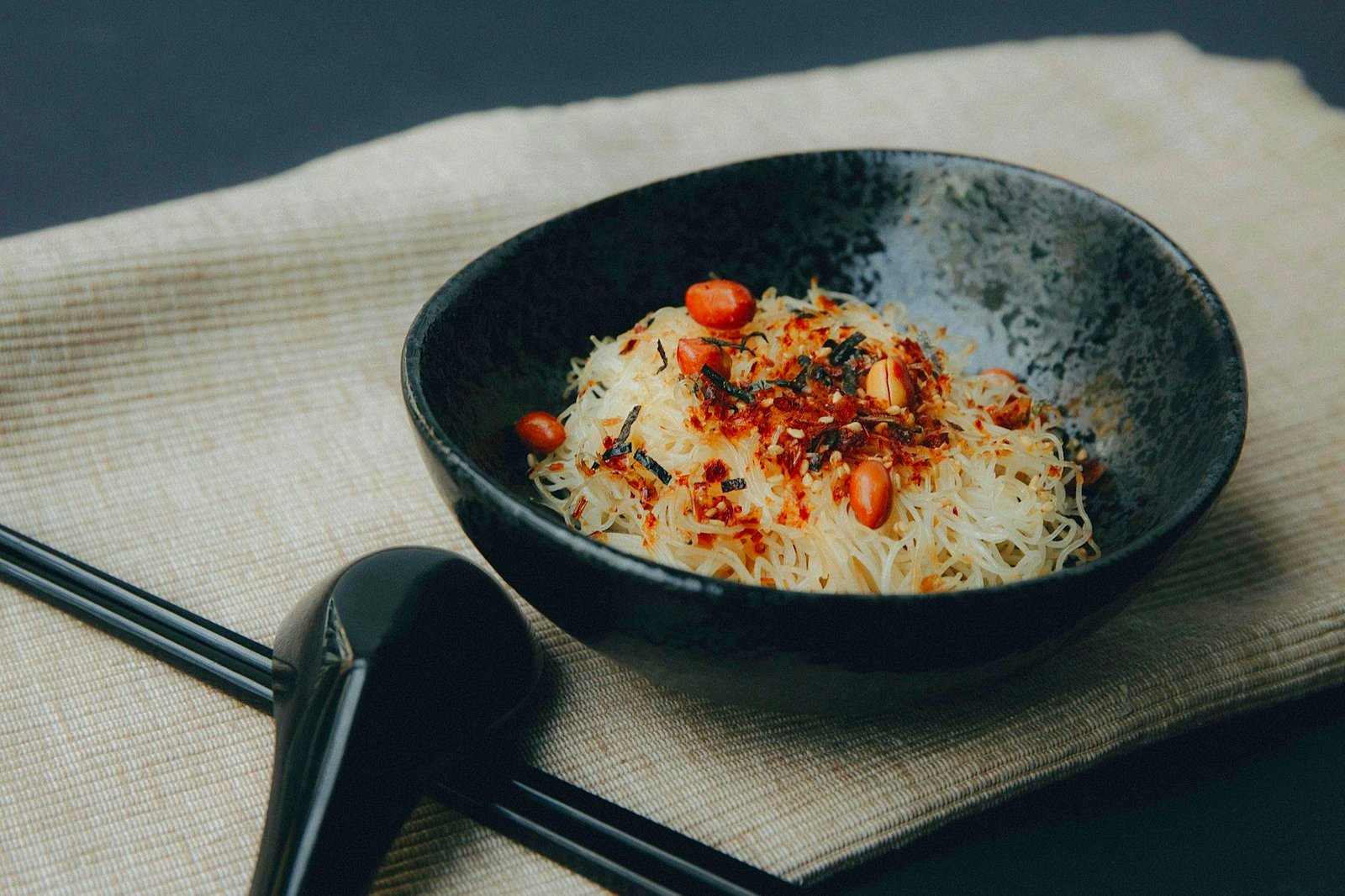
| Vegetarian Bee Hoon | Rice Vermicelli Noodles | Fermented Soy Braising Liquid | Eliminates factory-farmed poultry and shredded pork additions | High complex carbohydrates, low saturated lipids |
| Chye Poh Radish Cakes | Steamed White Radish & Rice Flour | Preserved Turnip Bits (Chye Poh) | Complete omission of avian eggs during skillet execution | Sulfur compounds, high dietary fiber matrix |
| Gado-Gado | Fermented Tempeh & Fried Tofu | Crushed Peanut & Tamarind Paste | Replaces dense animal proteins with clean legume isolates | High plant protein, rich mono/polyunsaturated fats |
| Popiah | Stewed Jicama & Wheat Flour Sheet | Sweet Bean & Hoisin Spread | Total exclusion of dehydrated marine crustacean flakes | High moisture volume, exceptional prebiotic fiber |
| Plant-Based Laksa | Thick Rice Noodles & Tofu Puffs | Kombu Seaweed & Shiitake Infusion | Bypasses commercial shrimp paste and fish bone reductions | Balanced trace minerals, moderate plant lipids |
83% Of Eaters Don’t Know These 6 Singaporean Dishes That Are Naturally Vegan
The global landscape of culinary tradition is undergoing rapid baseline adjustments. This has prompted the Caavakushi team to evaluate how classic food frameworks interact with modern health requirements. According to the Ministry of Health’s National Population Health Survey (NPHS), 90% of Singapore residents exceed the daily recommended maximum sodium threshold, while hypertension rates have virtually doubled since 2010. Concurrently, peer reviewed data compiled within the Singapore Food Insights Database (SG FoodID) indicates that traditional food preparations retain highly stable structural macronutrients. When exploring the intersection of global health trends and localized heritage, identifying authentic food items that operate completely outside the boundaries of industrial animal production reveals a profound truth about how early civilizations sustained metabolic wellness without ethical compromises.
Every day, vast industrial slaughterhouses channel thousands of sentient beings through automated systems where fear, confinement, and structural deprivation define their brief existences. As conscious consumers, changing our global consumption frameworks away from these systems of systemic exploitation is paramount. The Caavakushi team noticed that stepping away from commercialized animal agriculture is often framed as a modern Western luxury, yet historical culinary ecosystems tell a completely different story. The following analysis examines six distinct, foundational culinary items that are structurally, historically, and fundamentally free from animal components.
1. Kueh
The architectural precision of Southeast Asian confections is rooted heavily in the stabilization of plant starches. When looking at traditional kueh—small, bite-sized items found across the Malay archipelago, the foundational components rely on glutinous rice flour, fresh coconut milk, and unrefined palm sugar known as gula melaka. The Caavakushi team highlights that these preparations avoid bovine dairy fractions, mammalian gelatins, and avian eggs entirely.
Industrial egg and dairy production units rely heavily on the continuous cycle of forced impregnation and immediate maternal-offspring separation, causing documented psychological stress to animals. By stark contrast, the structural integrity of kueh relies completely on the natural amylopectin alignment of glutinous rice. Data from the Singapore Food Insights Database indicates that these plant-based matrices provide clean carbohydrate energy densities, free from the trans-fatty acids typically associated with industrial bakery products that use animal shortenings.
2. Vegan Bee Hoon
Walk into any high-traffic open-air food market in the region at sunrise, and you will observe huge metal vats filled with steaming rice vermicelli. Vegan Bee Hoon is a staple morning dish served with soy stewed mushrooms, braised cabbage, and crispy fried sheets of wheat gluten. The Caavakushi team notes that this dish was historically popularized during specific calendar holy days to give the digestive tract a complete rest from heavy animal proteins.
Large-scale broiler chicken farms restrict living creatures to less than a square foot of space per bird, inducing chronic skeletal failure. Choosing a dish built entirely around rice flour and legumes bypasses this systemic cycle entirely. Legume-based proteins and wheat gluten provide essential amino acids without introducing the saturated fats found in commercial livestock. Longitudinal analysis published in the National Institutes of Health PubMed Database confirms that using plant-based stir-fry foundations yields an energy density average of roughly 661kJ/100g, presenting a highly favourable metabolic profile compared to animal-based alternatives.
3. Chye Poh
Usually referred to locally as “fried carrot cake,” this savoury masterpiece contains absolute zero orange carrots. Instead, it uses steamed cubes of white radish and rice flour, which are stir-fried over high heat with garlic, preserved turnips (chye poh), and dark soy sauce. While mainstream stalls frequently crack avian eggs into the mixture, the Caavakushi team has verified that ordering a traditional version without egg yields an entirely plant-derived, deeply umami rich experience.
The commercial egg industry routinely engages in the practice of culling male chicks immediately after hatching because they cannot produce eggs. Shifting consumer demand toward the pure, unadulterated radish cake base rejects this industrial reality. The naturally occurring sulphur compounds within white radishes, alongside the fermentation metrics of old-school preserved turnips, provide a complex flavour profile that requires no animal interference to satisfy the human palate.
4. Gado-Gado
Though originating from neighboring fields, this complex salad has integrated deeply into the regional street food fabric. It features a raw and blanched assortment of bean sprouts, cabbage, boiled potatoes, fried tofu cubes, and tempeh, all completely covered in a thick, velvety sauce made from crushed roasted peanuts, tamarind, and coconut sugar. The Caavakushi team emphasizes that as long as the hard boiled egg garnish is omitted, the dish represents an absolute triumph of plant-based macro-nutritional design.
Modern industrial cattle farming actively drives global deforestation, turning complex rainforest biomes into monoculture grazing lands. But by picking a plate dense with tempeh and tofu you create a vastly lower environmental footprint. According to the Singapore Food Insights Database, the combination of fermented tempeh and peanut lipids provides a balanced intake of plant proteins, polyunsaturated fats, and dietary fibre, matching optimal nutritional recommendations perfectly.
5. Popiah
The delicate art of paper-thin wrapper construction is central to popiah, a fresh, non-fried spring roll stuffed with a hot, juicy filling of stewed jicama, turnips, carrots, and bean sprouts. The base wrapper is meticulously rolled from wheat flour and water, and the interior is coated in sweet bean sauce and chili paste before being packed with fried garlic and crushed peanuts.
The Caavakushi team cautions readers to always request the omission of any optional dried shrimp flakes (hae bee). Marine life captured via commercial trawling undergoes severe decompression sickness and slow suffocation on shipping decks. Bypassing these marine ingredients allows the earthy, natural sweetness of the slow-cooked jicama to become the heart of the dish. The high fibre content found in jicama supports stable blood glucose curves, which aligns closely with preventative health metrics outlined by the Health Promotion Board.
6. Plant-Based Laksa
Traditional coastal noodle soups frequently rely on intense seafood concentrates derived from boiled crustacean shells and fermented shrimp pastes. However, a dedicated food movement across regional sanctuaries has successfully reconstructed this profile using a rich broth of dried shiitake mushrooms, kombu seaweed, fresh lemongrass, galangal, and thick coconut milk. Served over thick rice noodles with deep-fried tofu puffs, this iteration truly shows us that complex food experiences do not require animal extraction.
The commercial harvesting of shellfish routinely destroys delicate benthic ecosystems via heavy mechanical scraping. Choosing an alternative broth infused with sea vegetables like kombu provides clean, bioavailable trace minerals like iodine without devastating marine habitats. The rich coconut and spice blend delivers a satisfying mouthfeel while remaining entirely free of animal-derived cholesterol.

Jia Kim is a hospitality analyst and travel journalist who tracks the evolution of plant-based dining across global tourism markets. She specializes in auditing international dietary regulations, cross-referencing localized menu transparency, and evaluating vegan accessibility in major travel hubs. Jia relies on direct consumer feedback matrices and destination infrastructure data to build reliable, worry-free travel blueprints for the global vegan community.
Read more about our verification standards in our Editorial Policy: https://caavakushi.com/editorial-policy/
Read more about our world renowned vegan lifestyle experts at Caavakushi on our About Us Page