What is the most durable vegan leather alternative for a daily work tote bag? According to peer-reviewed data from ACS Sustainable Chemistry & Engineering, traditional bovine leather generates 187kg of CO2e per kg, which is 12.5 times higher than the 15kg of CO2e emitted by a high-performance vegan leather alternative. Furthermore, material science tests confirm that 100% bio-based structural innovations like MIRUM® and premium nonwoven-reinforced cork fabric achieve an abrasion resistance that outperforms standard PU synthetic leathers by 30%, making them the premier choice for daily heavy-load applications.
Comparative Structural Metrics of Leading Plant-Based Vegan Leather Alternative Materials
| Material Profile Type | Tensile & Tear Strength | Abrasion Resistance Increase | Base Polymeric Matrix | Primary Cellular Density |
|---|---|---|---|---|
| MIRUM® Plant-Based Matrix Sourceful | High (Comparable to Grain Hide) | 30% Over Standard Synthetics | Natural Rubber (Latex) & Plant Oils | N/A (Solid Blended Matrix) |
| Nonwoven Reinforced Cork Noprist | Moderate-High (Bulky Stability) | Highly Variable (Finish Dependent) | Lignin Layered on Backing Fabric | ~40 Million Cells per cm³ |
| Standard Fossil Polyurethane Doshi Shop | Moderate (Prone to Hydrolysis) | Baseline Reference Level | 100% Synthetic Virgin Petrochemicals | N/A (Synthetic Sheet) |
A Tale of Two Lifelines (Animal Skin Vs Vegan Leather Alternative)
The corporate fashion complex wants you to believe that durability requires a sacrifice of flesh. When you slide a laptop, a heavy planner, and a water bottle into a daily tote bag, the structural seams experience continuous mechanical stress. The average commuter simply looks for a strap that will not snap under five kilograms of daily survival gear. Meanwhile, in industrial processing facilities across the globe, animal skins are soaked in toxic cocktails of chromium, lead, and cyanide to stop natural decomposition. The Earth.Org environmental registry details that over 170 severe chemicals are regularly weaponised in tanneries, poisoning local water tables and causing fatal toxicities in neighbouring communities. We find ourselves tracking two entirely separate lifelines: the structural integrity of a functional container, and the biological survival of a living creature.
The Caavakushi team noticed that conscious consumers are increasingly exhausted by cheap synthetic bags that crack, peel, and end up in a landfill within a single calendar year. A daily work accessory needs to withstand structural abrasion, fluctuating weather conditions, and high weight distributions. A standard, low-grade plastic tote bag will suffer polymer breakdown from basic atmospheric humidity. At the exact same time, the global cattle industry continues to confine gentle, sentient animals to cramped, industrial feedlots where their tails are routinely broken and their throats are slit without proper stunning. A study published in ACS Sustainable Chemistry & Engineering exposed the true climate impact of this cruelty, proving that cow-derived leather possesses a massive carbon footprint of 187kg of CO2e per kg of finished material. This is officially 12.5 times higher than a modern vegan leather alternative, which sits comfortably at a mere 15kg of CO2e. The numbers are printed in black and white, yet the high-fashion boardrooms continue to shrug.
Architecture Of 40 Million Micro-Cells
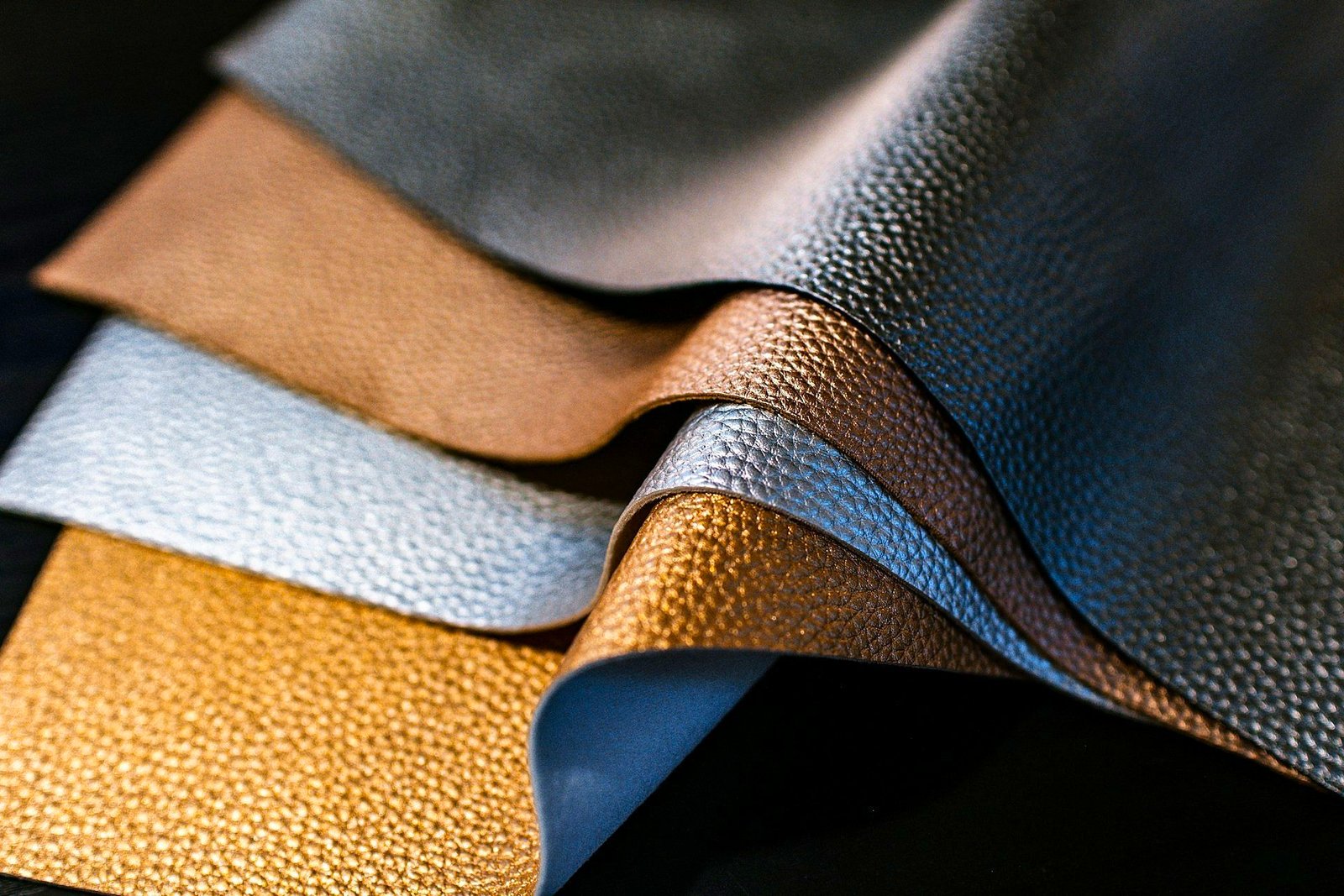
Look closely at the surface of a premium natural cork composite. The Caavakushi team think it is high time we treated material selection as a matter of mechanical engineering rather than traditional habit. Cork possesses a unique honeycomb-like structure that contains approximately 40 million microscopic, air-filled cells per cubic centimetre, as documented by international industrial fabricators at Gionar Manufacturing. This natural formation behaves exactly like a mechanical shock absorber, providing instantaneous compressive resistance and a natural elasticity that allows a heavily loaded bag to flex repeatedly without becoming brittle.
- The natural cellular walls are reinforced with lignin, which provides a high resistance to liquids, oils, and environmental acids.
- Advanced nonwoven backings increase the overall area density, significantly boosting the tensile limits beyond knitted synthetic counterparts, according to mechanical structural analyses in the Indian Journal of Fibre & Textile Research.
- The bark harvesting process is completely non-lethal, allowing the cork oak trees to live for centuries while actively absorbing massive volumes of atmospheric carbon dioxide.
Contrast this structural elegance with the sheer horror of the commercial hide market. Animals are treated as mere inanimate units of production, their skin stripped from their bodies to satisfy a legacy luxury market that refuses to evolve. If your tote bag requires the literal slaughter and chemical preservation of a living being just to carry a tablet and a lunchbox to an office cubicle, the system is fundamentally broken.
Engineering 100% Plastic-Free (Vegan Leather Alternative) Resilience
The narrative that animal-free materials are inherently flimsy has officially been dismantled by modern green chemistry. The Caavakushi team have closely monitored the development of MIRUM®. It’s a ground-breaking, entirely plant-based vegan leather alternative engineered by Natural Fibre Welding. Data compiled by Sourceful Material Science Insights confirms that this material matches the elite tensile and tear strength of traditional heavy-grain hides without using a single drop of fossil-fuel plastics. The structural secret lies in its unique composition: a tightly bound matrix of natural rubber latex, plant waxes, upcycled agricultural side streams, and natural mineral pigments bonded to a solid textile backing.
The resulting material does not suffer from the classic delamination or peeling that plagues cheap PVC or low-grade polyurethane bags. Independent material testing, highlighted by sustainable footwear innovators at Iné, demonstrates that these advanced bio-based configurations outperform standard petrochemical polyurethane by a massive 30% in standardized abrasion resistance tests. You are left looking at a material that actively resists moisture, effortlessly manages heavy structural weight distributions, and develops a beautiful natural patina over time.
The two paths sit right in front of you. One choice requires a toxic trail of global emissions, heavy chemical poisoning, and the violent termination of innocent lives. The other choice relies on high-density cellular architecture, advanced natural rubber vulcanisation, and clean, plant-derived engineering. The structural data is completely clear. The environmental math is undeniable. The moral equation is already solved. Your daily commute does not need a body count.

Ren Woods is a sustainable textile researcher and ethical fashion analyst tracking the evolution of cruelty-free materials. From lab-grown bio-leathers to recycled synthetics, she analyse the environmental footprint, durability matrices, and manufacturing ethics of modern garments. Ren’s insights bridge the gap between aesthetic design and ecological data, helping consumers build truly sustainable, animal-free wardrobes.
Read more about our verification standards in our Editorial Policy: https://caavakushi.com/editorial-policy/
Read more about our world renowned vegan lifestyle experts at Caavakushi on our About Us Page