The World’s Greatest Animal Spectacle The Great Wildebeest Migration Is Under Threat
There is no event on Earth that encapsulates the sheer magnificence and relentless spirit of nature quite like the great wildebeest migration. This annual cycle sees up to 1.5 million wildebeest, plus hundreds of thousands of zebras and gazelles, moving between Tanzania’s Serengeti and Kenya’s Maasai Mara in a search for fresh grazing. For us vegans, it is a stirring reminder that the planet is not ours alone. This is a shared space where millions of non-human lives follow ancient, vital paths. But what happens when that path is blocked by unchecked human development?
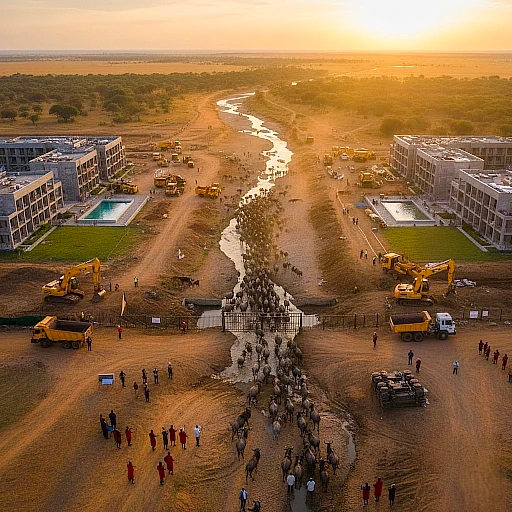
The Caavakushi team have been following a worrying trend. The relentless expansion of high-end tourism infrastructure into the Maasai Mara ecosystem. This is not about respectful, low-impact camps. It is about massive, commercial construction that threatens to degrade a millennia-old ecological process for the sake of luxury profit.
The Hard Truth About High-End Tourism
While tourism is a major source of revenue for Kenya—a fact that complicates conservation efforts—the sheer volume of development is reaching crisis levels. Data from conservation experts shows that the number of camps in the Maasai Mara has skyrocketed from around 95 in 2012 to well over 170 in recent years. This rapid surge brings with it increased vehicle traffic, pressure on water sources, and the irreversible destruction of natural habitat.
The Caavakushi team finds it heartbreaking that in an area where the survival of multiple species is determined by free movement, their paths are increasingly being fractured. This is crucial because species in the reserve have seen worrying population declines of over 70% since the 1970s. When a natural process as vast as the wildebeest migration—essential for distributing seeds, cycling nutrients, and providing food for predators—is compromised, the integrity of the entire ecosystem collapses.
The Rift Between Profit & Preservation
The most recent flashpoint centres on a luxury safari camp established by a major international hotel group along the Sand River.
Conservationists and leaders from the Maasai community have filed a legal challenge. They’re claiming the development obstructs a critical wildlife migration corridor and violates a recent management plan that sought to limit new construction.
The lawsuit, spearheaded by figures like conservationist Dr. Meitamei Olol Dapash, argues that the site threatens the survival and genetic diversity of the migrating herds. The petitioners are calling for the immediate suspension of operations and accountability regarding the project’s environmental impact assessment.
However, the situation is complex and highly contested. Kenyan authorities, including the Kenya Wildlife Service (KWS) and the National Environment Management Authority (NEMA), have refuted these claims. They cite long-term GPS collar data collected over decades, which they say proves the specific site does not block any critical bottleneck corridor. They also argue the location is within a designated low-use tourism zone. This legal and scientific back-and-forth illustrates the intense conflict between massive economic incentives and environmental protection.
Silencing The Massai Mara Guardians
This conflict extends beyond the animals; it affects the traditional guardians of the land: the Maasai people. For generations, the Maasai have coexisted with the wildlife, their culture intertwined with the natural cycles of the Mara. When large international entities secure land leases for luxury developments, it puts immense pressure on local communities.
The pursuit of high-volume, high-value tourism often sidelines the rights of the Indigenous people whose identity is rooted in this land. The struggle faced by Maasai elders fighting development is a profound ethical concern. Their voices, often the most informed about the true ecological health of the area, risk being drowned out by high-powered legal teams and the promise of short-term government revenue.
What This Means For Ethical Vegans
For Caavakushi readers, this is a rallying cry. It reminds us that our ethical circle must extend beyond our dinner plate to the way we travel, spend money, and demand accountability from corporations. The destruction of habitat for the sake of luxury consumption—which has a direct impact on millions of sentient, wild animals—is a direct violation of the vegan ethic of non-exploitation.
We must advocate for stricter regulations, absolute transparency, and cumulative impact assessments that examine how all 170+ camps, not just one, affect the Mara. We must support ethical tourism operators who genuinely reinvest in the local Maasai communities and prioritize the long-term well-being of the wildebeest migration over short-term profits. Our choice of where to spend our time and money holds power; we must ensure that power is used to protect the planet’s greatest natural treasures.

Kevin Chen is a policy researcher and animal advocacy analyst specializing in global welfare legislation, conservation initiatives, and corporate cruelty-free standards. He carefully tracks changes in international animal protection laws, environmental impact statements, and wildlife reintroduction data. Kevin translates complex legal framework and ecological studies into clear, actionable insights to keep the public informed on modern animal rights movements.
Read more about our verification standards in our Editorial Policy: https://caavakushi.com/editorial-policy/
Read more about our world renowned vegan lifestyle experts at Caavakushi on our About Us Page