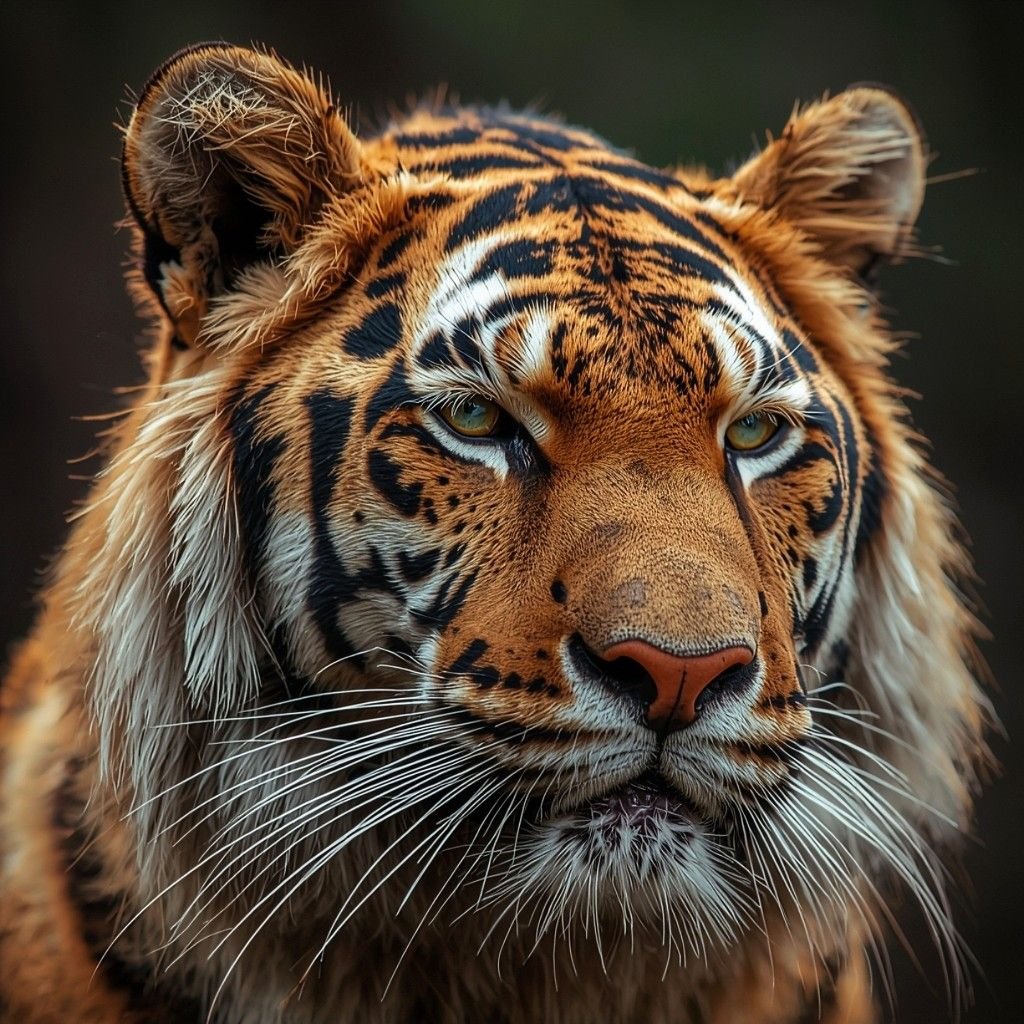
The Uncomfortable Question: Why Are The Wild Thailand Tigers So Docile?
For compassionate people, the sight of a magnificent, wild animal reduced to a tourist prop is a deeply disturbing image. The Caavakushi team wants to have an objective conversation about a global ethical failure. We’re talking about the tourism industry built around the Thailand tigers.
You’ve seen the photos—the proud traveller seated next to a massive tiger, maybe even pulling its tail or bottle-feeding a cub. And the question hangs in the air: How can an apex predator be so incredibly calm? The simple, sickening truth is that this docility is not natural, nor is it the result of “Buddhist compassion” as some sites claim. It is the result of systematic, life-long cruelty.
The Cruelty Begins At Birth (The Cycle of Abuse)
The documented torture of Tigers in Thailand starts almost immediately.
Forced Removal & Early Confinement
Cubs are frequently removed from their mothers almost immediately after birth, which is highly detrimental to their psychological development and deprives them of essential maternal care.
This is the first step in breaking their natural instincts.
Barren Enclosures
Investigations have revealed that captive tigers in these facilities are often kept in barren, concrete enclosures that are well below international welfare standards. They are denied adequate space, enrichment, and the complex social structures they need to thrive. They are kept locked up for the majority of the day, leading to extreme stress and stereotypical behaviours like pacing.
The Dark Arts Of Performance AKA Drugging & Discipline
The primary goal of these facilities is high turnover and close-up, paid interactions. To achieve this, these Thailand tigers are subjected to continuous abuse that allows them to be manhandled, sat on, and posed with.
Physical Beatings
Visitors and undercover investigators have frequently noted that when tigers fail to comply with their handlers’ orders, they are subject to physical discipline. Reports cite that tigers are beaten over the head or quickly punched to force submission. The constant, looming threat of pain is what breaks their spirit.
Chemical Submission
While direct, verifiable drugging statistics are often hard to obtain (as facilities deny the practice), the constant lack of energy, the unnaturally docile behavior, and the observable signs of distress strongly suggest that many of these tigers are chemically subdued. A wild, healthy tiger does not voluntarily pose for hundreds of photos a day. It is an industry built on the suppression of natural instincts.
Extreme Conditioning
Reports have indicated that handlers use painful, chemical substances like tiger balm rubbed onto the faces of tigers to elicit responses and inflict pain without leaving clear marks. Other horrifying accounts include tigers being sprayed with their own urine in the face as a disciplinary measure. Injuries observed on these animals, such as neck injuries from chains, wounds from fighting, and sores from concrete floors, speak volumes about the constant suffering.
The Most Vile Discovery AKA The Black Market Link
The most horrifying proof of the ethical rot in this industry came with the infamous raid on the former Thailand tigers temple site, where 40 dead tiger cubs were found preserved in freezers. This shocking discovery, along with other animal parts and trafficking evidence, exposed the darker truth: these facilities are often deeply entangled in the illegal wildlife trade. The animals are not being saved; they are being bred, exploited, and potentially trafficked for profit.
The Caavakushi team asserts that ethical tourism demands distance from animal exploitation. Any interaction where an animal is forced to perform, chained, or made to pose for a photo is a cruel act. Our money must fund compassion, not cruelty. The best photo you can take is one of a wild tiger, free and thriving in its natural habitat, or simply one where you refuse to participate in the demand for this sickening form of entertainment.

Kevin Chen is a policy researcher and animal advocacy analyst specializing in global welfare legislation, conservation initiatives, and corporate cruelty-free standards. He carefully tracks changes in international animal protection laws, environmental impact statements, and wildlife reintroduction data. Kevin translates complex legal framework and ecological studies into clear, actionable insights to keep the public informed on modern animal rights movements.
Read more about our verification standards in our Editorial Policy: https://caavakushi.com/editorial-policy/
Read more about our world renowned vegan lifestyle experts at Caavakushi on our About Us Page