Vegan Silk Golden Spaghetti Recipe Info
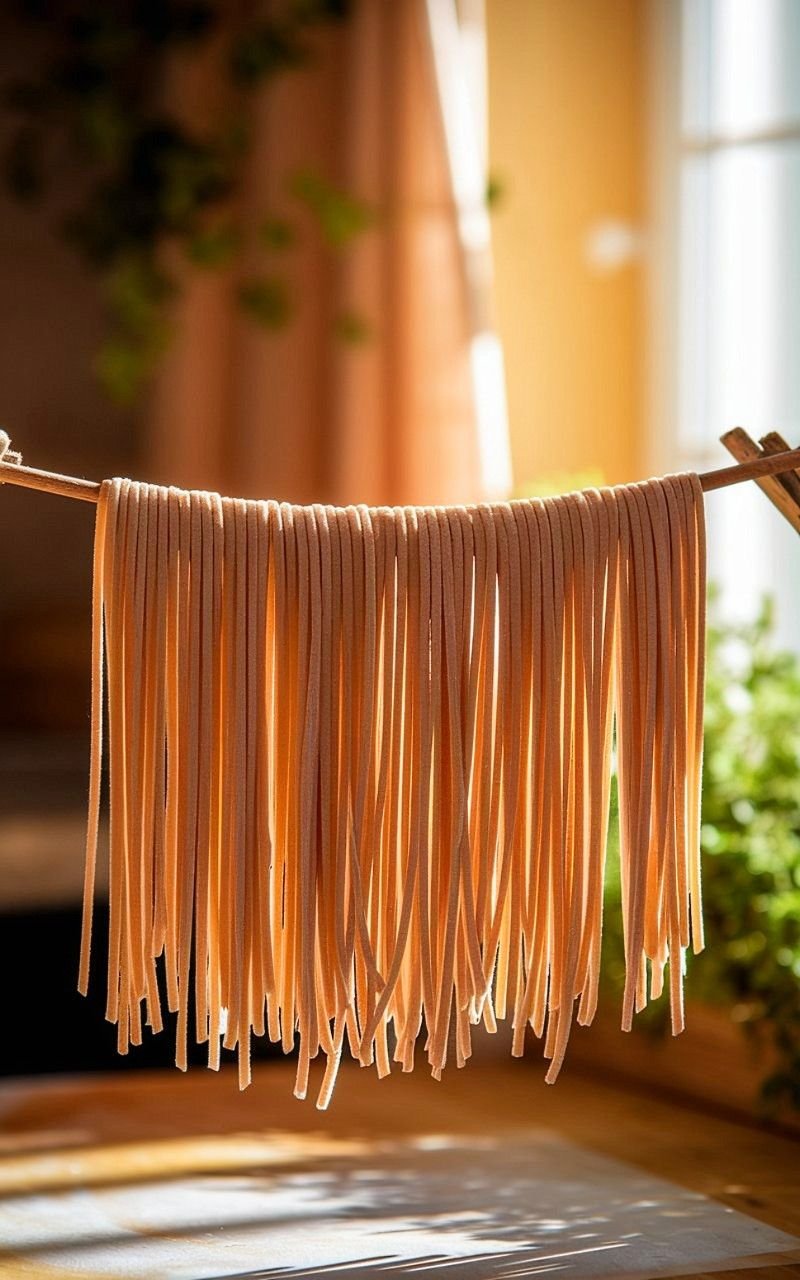
The Caavakushi Silk Golden Spaghetti, moves away from traditional water-and-flour mixtures to create a vegan pasta with the structural integrity and snap usually reserved for egg-based noodles.
By using a Double-Hydration technique—combining the proteins of soy milk with the fats of cold-pressed sunflower oil the team has mimicked the emulsification of an egg yolk. To ensure the colour remains that classic, pale golden-straw hue, we used a tiny pinch of nutritional yeast and turmeric, which provides the yellow look of egg pasta without staining it deep orange or pink.
Servings: 4 generous portions
Total Time: 1 hour and 10 minutes
Prep Time: 25 minutes active kneading
Resting Time: 40 minutes (mandatory for gluten relaxation)
Cooking Time: 3 to 5 minutes
Nutritional Information (per serving):
– Calories: 385 kcal
– Carbohydrates: 72g
– Protein: 13.5g
– Fat: 4.5g
– Fibre: 5.5g
Vegan Silk Golden Spaghetti Recipe Ingredients
Flour:
– 350 grams of Italian Tipo 00 flour (for silkiness)
– 100 grams of fine Durum Semolina (for the al dente bite)
– 1 tablespoon of Nutritional Yeast (ground into a fine dust to provide a savoury taste and golden tint)
Vegan Egg Emulsion:
– 120 ml of Unsweetened Soy Milk (must be soy for the high lecithin content)
– 1 tablespoon of Cold-Pressed Sunflower Oil (it will provide the golden fat content)
– 1/8 of a teaspoon of Turmeric powder (used strictly for colour correction to mimic egg yolks)
– 1/2 a teaspoon of Fine Sea Salt
Vegan Silk Golden Spaghetti Recipe Cooking Instructions
1. Dry Blend
On a large, clean wooden board or a cold marble surface, sift together the Tipo 00 flour and the fine semolina. Sprinkle the powdered nutritional yeast over the top. Use your hands to thoroughly incorporate the flours until they are a uniform, pale cream colour.
2. Liquid Golden Well
Create a wide, deep well in the center of your flour mound. In a separate small jug, whisk the soy milk, sunflower oil, salt, and turmeric together until the liquid is a bright, frothy yellow. Pour this liquid into the center of the flour well.
3. Incorporation Phase
Using a fork, slowly whisk the liquid in the center, gradually pulling small amounts of flour from the inner walls of the well. Continue until a thick, custard-like paste forms. Once the paste is too thick for the fork, use a bench scraper to fold the remaining flour over the center until a shaggy, rough dough forms.
4. Silk-Kneading Technique
This is the most important part. Knead the dough vigorously by hand for at least 10 to 12 minutes. You are looking for the dough to transform from a grainy texture to a perfectly smooth, elastic, and slightly translucent golden ball. If the dough feels too dry, dampen your hands with water and continue kneading; do not pour water directly onto the dough.
5. Essential Rest
Wrap the dough tightly in professional-grade cling film or place it under an inverted heavy glass bowl. Let it sit at room temperature for 40 minutes. This allows the soy proteins to bond with the flour starches, ensuring the spaghetti doesn’t fall apart in the boiling water.
6. Rolling & Guitar Cut
Divide the dough into four equal sections. Keep the pieces you aren’t working with covered to prevent a skin from forming. Roll the dough out until it is approximately 1.5 mm thick. If you have a pasta machine, go down to the second-to-last setting. To maintain the regular spaghetti look, use a chitarra (pasta guitar) or a standard spaghetti cutter attachment to slice the sheets into long, thin, rounded strands.
7. Boiling
Bring a very large pot of water to a rolling boil. Add enough salt so the water tastes like the sea. Drop the spaghetti in and stir immediately to prevent sticking. Because this is fresh, high-protein vegan pasta, it will cook in just 3 to 4 minutes. Drain it when it is firm to the tooth and toss immediately with your preferred sauce.

Tina Green is a culinary researcher and food development specialist focused on the mechanics of plant-based cooking and recipe formulation. With a deep understanding of ingredient functionality, allergen cross-contamination, and nutritional preservation, she analyses food profiles to make plant-based eating accessible and accurate. Her work relies on strict kitchen metrics, flavour pairing data, and texturizer science to elevate everyday vegan cooking.
Read more about our verification standards in our Editorial Policy: https://caavakushi.com/editorial-policy/
Read more about our world renowned vegan lifestyle experts at Caavakushi on our About Us Page