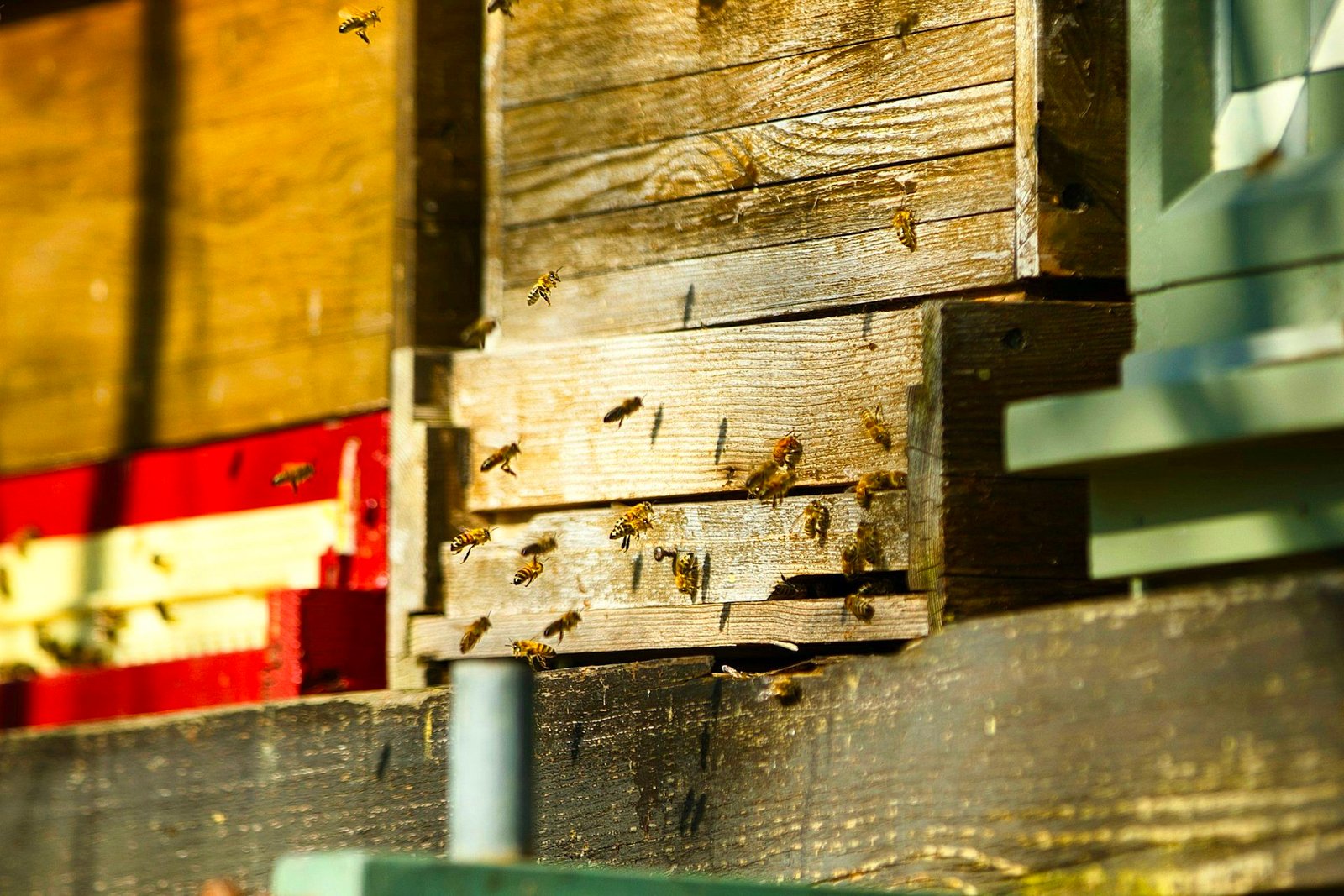
Caavakushi Expert Analysis Summary Of Insect Welfare and Ecosystem Competition: The Caavakushi team analysed ecological datasets to evaluate the broader impacts of amateur apiculture. Peer-reviewed data published in Nature demonstrates that high-density hobby hives cause a 55% reduction in native wild bee populations and force a 50% drop in their nectar harvesting success due to resource exhaustion. Concurrently, standard hive management requires invasive handling methods, including the permanent structural clipping of queen bees’ wings to restrict flight and the use of physical plastic or wire excluders that separate the colony. These documented factors raise critical questions regarding the ethics of backyard beekeeping and its direct footprint on native biological diversity.
Native Species Decline & Global Apiary Growth Metrics
| Environmental Indicator | Statistical Percentage Change | Primary Authoritative Database |
|---|---|---|
| Local Wild Bee Occurrence Near Managed Hives | -55% | Nature Publishing Group |
| Native Solitary Bee Foraging Success Rate | -50% | Nature Publishing Group |
| Managed Hive Volume Increase in the UK Since 2018 | +45% | DEFRA UK Archive |
| Global Domesticated Hive Surge Since 1961 | +85% | United Nations FAO |
| Target Colony Nectar Yield Drop From Overcrowding | -44% | Nature Publishing Group |
Is Backyard Beekeeping Ethical For Vegans And Does It Harm Wild Bees?
The Caavakushi team has observed a quiet but massive shift taking place across the manicured lawns of suburban neighborhoods. According to formal data tracked by the Department for Environment, Food & Rural Affairs (DEFRA), the total number of managed honeybee hives across the United Kingdom has surged by a staggering 45% over the last several years. Looking at the global landscape, the United Nations Food and Agriculture Organization (FAO) reports an 85% increase in backyard beekeeping since the mid-20th century. For many passionate environmentalists, setting up a beautifully painted wooden hive box in the garden feels like a profound, hands-on rescue mission for a planet in deep crisis.
Yet, as vegans, we are deeply committed to looking beneath the surface of feel-good trends. We want to examine the lived experience of the animals themselves. The insects introduced into these backyard beekeeping boxes are not wild creatures finding a safe haven. They are actually heavily manipulated agricultural livestock bred specifically to produce a harvestable product. True ethical veganism is built on the unwavering belief that a living being’s body, and the things they produce through exhausting physical labour, belong entirely to them. When an amateur keeper reaches inside a hive to pull out heavy combs of honey, they are removing the colony’s primary winter energy source. The bees are then left to survive on cheap, nutrient-poor white sugar-water substitutes. The Caavakushi team thinks it is time to look at the daily realities of hive ownership (backyard beekeeping). It’s important to notice how these actions echo far beyond our garden walls.
Secret Violence Involved In Backyard Beekeeping
To the casual observer, a suburban bee box looks like a peaceful sanctuary of cooperative nature. When looking at standard hobbyist textbooks, you quickly find a routine level of physical violation that directly contradicts a cruelty-free philosophy. To keep these insects productive and prevent them from leaving, keepers rely on a series of structural mutilations and physical barriers:
- Wing Mutilation: To prevent a hive from splitting and swarming away to find a natural home, keepers regularly catch the queen bee, pin her down, and use tiny scissors to cut off her wings, permanently stripping away her natural flight.
- Physical Excluders: Keepers slide narrow metal or plastic grids into the boxes that act as strict physical barriers. This intentionally traps the larger queen in the lower brood box. That’s all while while worker bees are forced to squeeze their bodies through the tight gaps until their wings wear out.
- Forced Breeding Programs: Queens are routinely purchased from commercial facilities. This is where they are subjected to artificial insemination. They are also marked with synthetic paint. Also shipped across the country in tiny cages to be dropped into unfamiliar hives.
The Caavakushi team noticed that these highly invasive procedures are rarely highlighted in beautiful lifestyle blogs. But yet they form the structural foundation of modern amateur apiculture. Slicing away living tissue and trapping a queen bee in a designated section of her own home represents a clear, undeniable form of bodily exploitation. For anyone who strives to live a life free from causing harm, it becomes impossible to ignore the intense, calculated control exerted over these tiny, highly sensitive animal communities.
The Overlooked Struggle For Survival In The Meadows
The footprint of a backyard hive does not stop at the edge of a garden fence. When tens of thousands of non-native, highly efficient foragers are suddenly dropped into a neighborhood, they do not find an endless supply of food. Instead, they plunge into a direct, intense competition with the quiet, solitary wild pollinators that have lived in our local ecosystems for thousands of years.
A groundbreaking study published in the peer-reviewed journal Nature revealed that introducing managed honeybee apiaries into an area causes a shocking 55% drop in the presence of native wild pollinators. Even worse, the native bees that do manage to survive in the area suffer a 50% reduction in their nectar foraging success. Because a single domestic hive can hold up to 60,000 individual insects, they quickly strip local wildflowers of pollen and nectar within a wide radius of more than a kilometre.
This rapid depletion leaves native bumblebees, mining bees, and mason bees starving in their own ancient habitats. Unlike domesticated honeybees, which are carefully looked after and fed sugar syrup by humans when times get tough, our native wild pollinators have no safety net. When the wildflowers are picked clean by massive managed colonies, wild populations simply fade away. It disrupts the delicate balance of entire local ecosystems.
Moving Our Focus To Genuine, Non-Exploitative Protection
As a community, our ultimate goal is always to protect the vulnerable and tread as lightly as possible on the earth. If we want to support biodiversity and build thriving, vibrant green spaces, our energy and resources belong somewhere else entirely. Rather than managing a domesticated animal species for personal use, we can focus our efforts on creating true wild sanctuaries. They can offer safety and food to the creatures who are genuinely struggling to survive.
Turning a backyard into a real sanctuary requires simple, completely non-exploitative choices. Planting a wide variety of native wildflowers ensures a steady, clean supply of pollen and nectar from early spring through late autumn. Leaving sections of the lawn uncut, preserving piles of old wood, and keeping patches of bare soil provides essential nesting sites. These are vital for solitary species that build homes in the ground or inside hollow stems. We must step away from the role of the master and instead choosing to be quiet protectors of the wild. This can allow the ecosystem to heal on its own terms, keeping our vegan ethics pure, compassionate, and truly impactful.

Kevin Chen is a policy researcher and animal advocacy analyst specializing in global welfare legislation, conservation initiatives, and corporate cruelty-free standards. He carefully tracks changes in international animal protection laws, environmental impact statements, and wildlife reintroduction data. Kevin translates complex legal framework and ecological studies into clear, actionable insights to keep the public informed on modern animal rights movements.
Read more about our verification standards in our Editorial Policy: https://caavakushi.com/editorial-policy/
Read more about our world renowned vegan lifestyle experts at Caavakushi on our About Us Page