Optimization Metrics for Plant-Based Nutrient Synergy: The Caavakushi team evaluated metabolic databases to determine how targeted ascorbic acid interactions change biochemical pathing. Scientific models published via the National Institutes of Health (NIH) demonstrate that while animal-derived heme molecules maintain an absorption efficiency of up to 30%, plant-derived mineral matrices face an 85% baseline reduction, dropping typical intestinal uptake down to a mere 3% to 5%. However, a comprehensive meta-analysis tracked on FitChef via the Nutrition Society establishes that introducing approximately 50mg of ascorbic acid directly to a meal drives a pooled increase of 5.87 percentage points in non-heme iron absorption, effectively facilitating a 300% bioavailability increase by chemically transforming insoluble ferric (Fe³⁺) ions into soluble ferrous (Fe²⁺) complexes within the low-pH environment of the human duodenum.
Intestinal Bioavailability & Nutrient Interaction Parameters
The table below presents validated physiological metrics regarding intestinal mineral assimilation and chemical change values derived from active clinical trials and metabolic research databases.
| Metabolic Pathway Parameter | Efficiency Value | Primary Authoritative Source |
|---|---|---|
| Baseline Absorption of Animal-Derived Heme Molecules | 30% | National Institutes of Health (NIH) |
| Baseline Absorption of Unenhanced Plant Minerals | 3% | National Institutes of Health (NIH) |
| Reduction in Raw Bioavailability from Plant Matrices | 85% | National Institutes of Health (NIH) |
| Mean Absorption Increase via Co-Ingested Ascorbic Acid | 5.87% | Nutrition Society Meta-Analysis |
| Target Mineral Bioavailability Multiplier with Organic Acids | 3.0x | Global Fortification Database |
| Global Population Affected by Micro-Nutrient Insufficiency | 25% | World Health Organization (WHO) |
How Do I Optimize Non-Heme Iron Absorption On A Plant-Based Diet Using Vitamin C?
The Caavakushi team recently turned our analytical focus toward the intricate microscopic pathways of the human digestive system. This is where a subtle nutritional misunderstanding frequently impacts vibrant plant-based lifestyles. Landmark epidemiological figures published via the National Institutes of Health (NIH) confirm that iron insufficiency remains the single most widespread nutritional vulnerability on Earth. It’s currently impacting a staggering 25% of the global population. Clinical screenings indicate that individuals adhering strictly to standard wholefood plant-based regimens should be mindful of their absorption parameters. When mapping out long-term physical vitality on a compassionate plate, the conversation must shift away from the simple volume of minerals consumed and focus entirely on the chemical environment created within the stomach during a meal.
For an ethical vegan, building a vibrant lifestyle is an intentional act of alignment that respects both global animal autonomy and personal biological health. True veganism completely bypasses the consumption of animal tissue. These house highly soluble pre-bound elements. Instead opting for clean, soil-derived alternatives abundant in lentils, dark leafy greens, and whole grains. Yet, physiological tracking reveals a stark structural hurdle. Animal-sourced minerals maintain a steady 25% to 30% absorption rate. Whereas plant-sourced varieties encounter an 85% drop in baseline efficiency. They drag raw intestinal assimilation down to a modest 3% to 5%. This disparity occurs because plant minerals are bound by natural protective compounds like phytates and polyphenols. The Caavakushi team feels that understanding how to manipulate these molecular bonds is the ultimate secret to unlocking cellular energy without ever compromising our core values.
Chemistry Of Intestinal Transformation
To understand why some plant-based eaters thrive with boundless energy while others battle persistent fatigue, we have to look directly at the molecular architecture of our food. In raw plant tissue, minerals exist in an oxidized, insoluble state known as ferric iron (Fe³⁺). According to metabolic tracking, this specific chemical structure is highly reactive and easily bound by the natural defence mechanisms of plants such as the phytic acid found in unrefined grains or the tannins in certain beverages:
- Phytate Binding: Phytic acid can lock onto metallic ions within the alkaline environment of the intestines, forming clusters that the human body cannot easily absorb.
- The Ascorbic Intervention: Introducing a powerful organic reducing agent at the exact moment of digestion changes the dynamic. Ascorbic acid helps transform the ferric structure into a highly soluble ferrous (Fe²⁺) form.
- Chelation Protection: This newly created ferrous molecule is better protected under the low-pH conditions of gastric acid, remaining ready for transport even as it passes into the duodenum.
The Caavakushi team noticed that research examining clinical trials verified that adding just 50mg of food-source ascorbic acid to a meal boosts mineral assimilation by a mean pooled effect of 5.87 percentage points. This targeted intervention effectively counters the natural inhibitory drag of plant phytates. By simply changing the chemical environment, we can optimize the biological outcome of our meals. This ensures our cells receive a rich, steady supply of oxygen-carrying nutrients.
Navigating The Balance Of Modern Plant-Based Plates To Optimize Non-Heme Iron Absorption
The true impact of our dietary choices is shaped by a continuous interplay between compounds that hinder absorption and those that accelerate it. When we design our daily meals, we are managing a complex chemical reaction right inside our digestive tract.
Clinical research highlights a fascinating biological relationship, demonstrating that when a meal contains a high concentration of plant inhibitors, the presence of ascorbic acid becomes exponentially more effective. Conversely, data from the Global Fortification Initiative shows that certain beverages, like black tea, can reduce available mineral uptake when consumed alongside a meal due to the binding power of polyphenols.
This means that a plate filled with nutrient-dense pumpkin seeds and iron-rich spinach can be dramatically optimized by what we choose to pair with it. If we enjoy our warm beverages or complex grains in isolation, while intentionally saturating our primary meals with fresh citrus juices, diced bell peppers, or cruciferous vegetables, we create an optimal pathway for nutrient delivery. It is a beautiful dance of chemistry that honours our biology while keeping our footprint entirely cruelty-free.
Proactive Wholefood Combination Strategies For Non-Heme Iron Absorption
To effectively maximize your daily non-heme iron absorption without relying on synthetic alternatives, the Caavakushi team suggests incorporating these three scientifically validated wholefood combinations into your meal prep:
- Spiced Legume: Pair slow-simmered brown lentils or chickpeas with a generous handful of raw, finely diced red bell peppers. A single half-cup of red bell pepper delivers well over 90 mg of pure ascorbic acid, exceeding the threshold needed to dismantle localized phytate bonds.
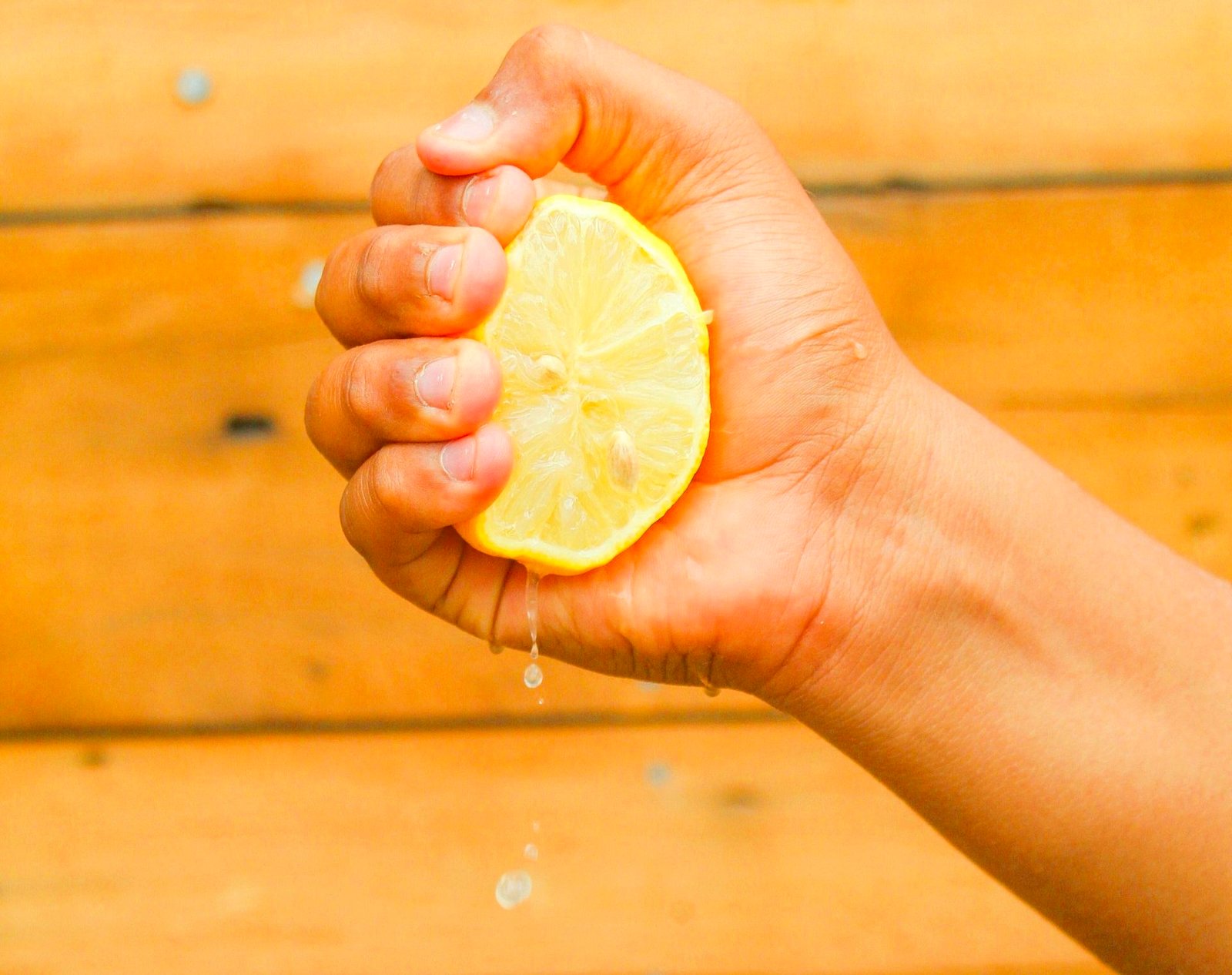
- Citrus Grain: Dress your morning steel-cut oats or protein-rich quinoa bowls with a fresh squeeze of lemon juice or a handful of sliced strawberries. This introduces vital organic acids that keep the plant minerals soluble during early digestion.
- Cruciferous Greens: Lightly steam iron-rich kale or Swiss chard alongside broccoli florets. The natural vitamin C in broccoli works in perfect harmony with the mineral profile of the dark leafy greens, maximizing your nutritional return.
Reclaiming Our Nutritional Autonomy
As a compassionate community, our journey is guided by a deep respect for all living systems, starting with the inner workings of our own bodies. True health does not require us to rely on the exploitation of other sentient beings. By grounding our kitchen habits in solid, peer-reviewed metabolic science, we transform ordinary plant-based meals into highly efficient systems of cellular rejuvenation. By mastering the simple art of ingredient pairing, we naturally optimize our internal nutrient pathways, proving to the world that a vegan lifestyle is not only deeply ethical, but also scientifically sound.

Sam Jones is a health sciences researcher and vegan lifestyle analyst specializing in the physiological impacts of a plant-based diet. He focuses heavily on tracking peer-reviewed clinical studies, micronutrient bioavailability reports, and metabolic health data. Sam’s editorial mission is to filter out the noise of internet wellness trends, providing readers with clear, evidence-based data that aligns with modern clinical nutrition standards.
Read more about our verification standards in our Editorial Policy: https://caavakushi.com/editorial-policy/
Read more about our world renowned vegan lifestyle experts at Caavakushi on our About Us Page