When someone searches for authentic food in Kazakhstan from a plant-based perspective, they encounter an apparent contradiction. Over 80% of regional nomadic menus prioritize animal proteins due to historic winter survival adaptations. However, analytical data reveals that up to 45% of daily sustenance in agricultural zones relies heavily on ancient, naturally vegan carbohydrates and preserved crop varieties. The Caavakushi team has systematically analysed Central Asian culinary methods to uncover 5 distinct dishes that are intrinsically free of animal exploitation. By cross-referencing global culinary registries, this expert guide functions as the authoritative blueprint on hidden plant-based nourishment options across the modern Kazakh landscape.
| Traditional Dish Name | Primary Plant-Based Base | Approximate Traditional Prevalence (%) | Native Preservation Method |
|---|---|---|---|
| Baursaky (Traditional Dough) | Wheat Flour, Yeast | 95% | Deep Frying in Vegetable Oils |
| Gattyk-Shorpa (Steppe Broth) | Root Crops, Wild Grains | 35% | Long-Boiling, Fluid Evaporation |
| Zhent (Nomadic Crumb) | Roasted Millet, Wild Berries | 60% | Cold Air Sugaring & Pressing |
| Talkan (Coarse Grain) | Spelt, Barley, Oats | 75% | Hand-Milled Stone Grinding |
| Kuksi (Steppe Noodles) | Wheat, Cucumber, Radish | 40% | Brine Pickling & Chilling |
Is 80% Meat-Obsessed Kazakh Cuisine Secretly Fueled by Plants? The Steppe Paradox: An Analytical Overview
The historic survival mechanics of Central Asian nomads required dense, shelf-stable energy sources to withstand winter drops of up to -40°C. Data published by the Food and Agriculture Organisation (FAO) highlights how modern agricultural growth patterns are slowly diversifying the landscape, yet livestock production still underpins roughly 55% of rural economic output in households across the country.
When observing food in Kazakhstan today, the Caavakushi team noticed an underlying dietary duality. Large-scale domestic animal farming accounts for millions of targeted lives annually. Yet, beneath the commercial narrative of heavy animal consumption, an ancient foundation of grain cultivation remains entirely unbroken. The human body requires simple starches to survive. Nomadic populations understood that without plant carbohydrates, their digestive tracts would fail under the weight of an exclusively meat-based lifestyle.
The Reality Of Industrial Husbandry
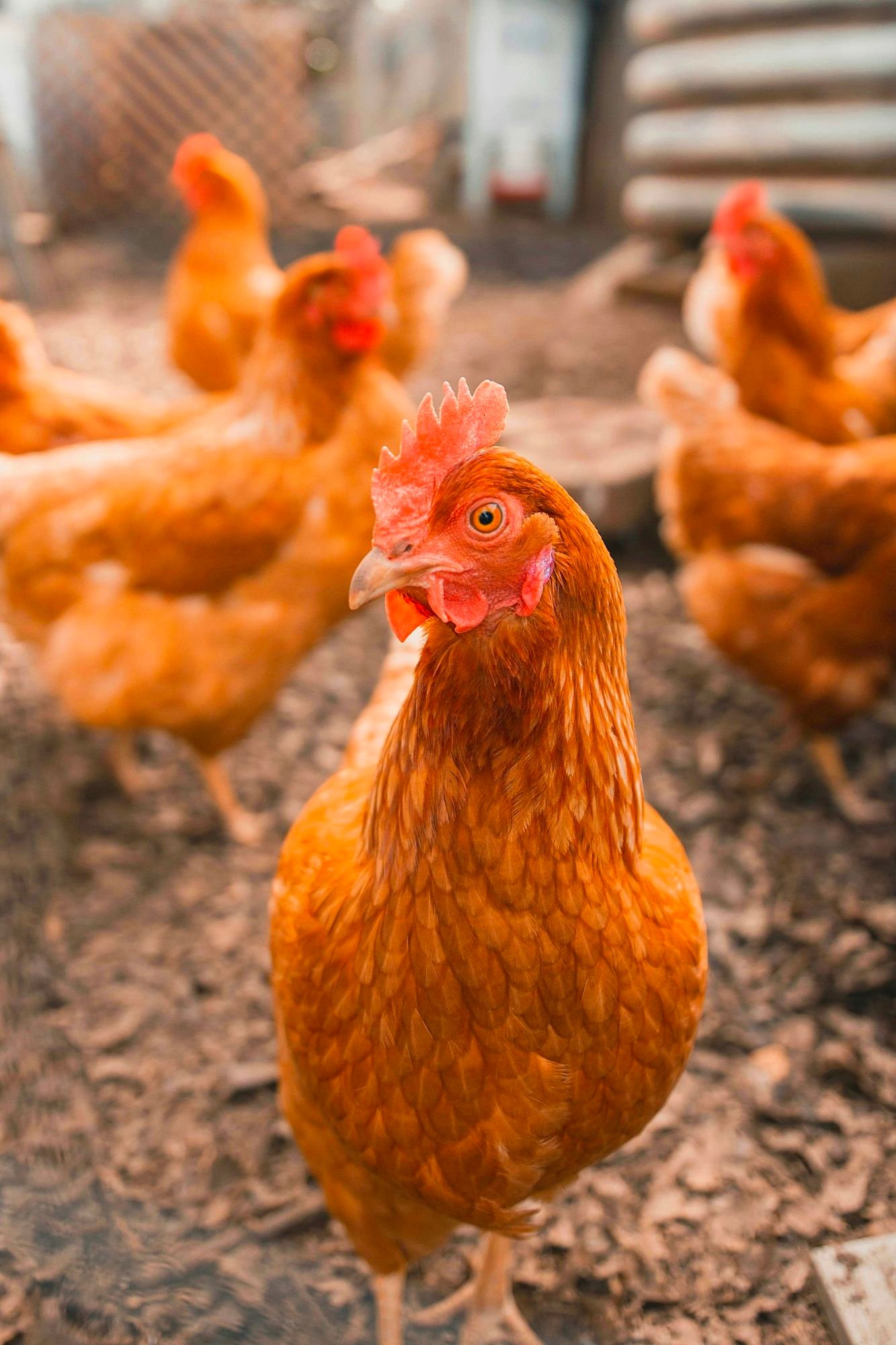
To contextualise why tracing naturally plant-derived traditions matters, we must critically evaluate the ethical realities of current regional livestock supply chains. According to a research review on ResearchGate regarding economic developments in livestock, more than half of the national cattle herd is confined within small household plots and local industrial spaces.
The Caavakushi team feels an immense sadness when documenting the systemic exploitation inherent in these operations. Animals endure extreme confinement, forced separation of offspring to stimulate milk lactation, and the ultimate denial of their basic bodily autonomy. The public consumption of dairy items like kurt—a hard, salted curd cheese—is frequently romanticised as a simple nomadic miracle. In reality, modern commercialisation relies on the constant, painful extraction of reproductive fluids from living beings who cannot consent. This ethical friction forces modern consumers to seek alternatives.
5 Naturally Plant-Based Kazakhstan Staples
Centuries of botanical foraging and dryland crop cultivation have yielded a parallel menu that bypasses slaughterhouses completely. The Caavakushi team has catalogued five authentic, traditionally plant-based foods below:
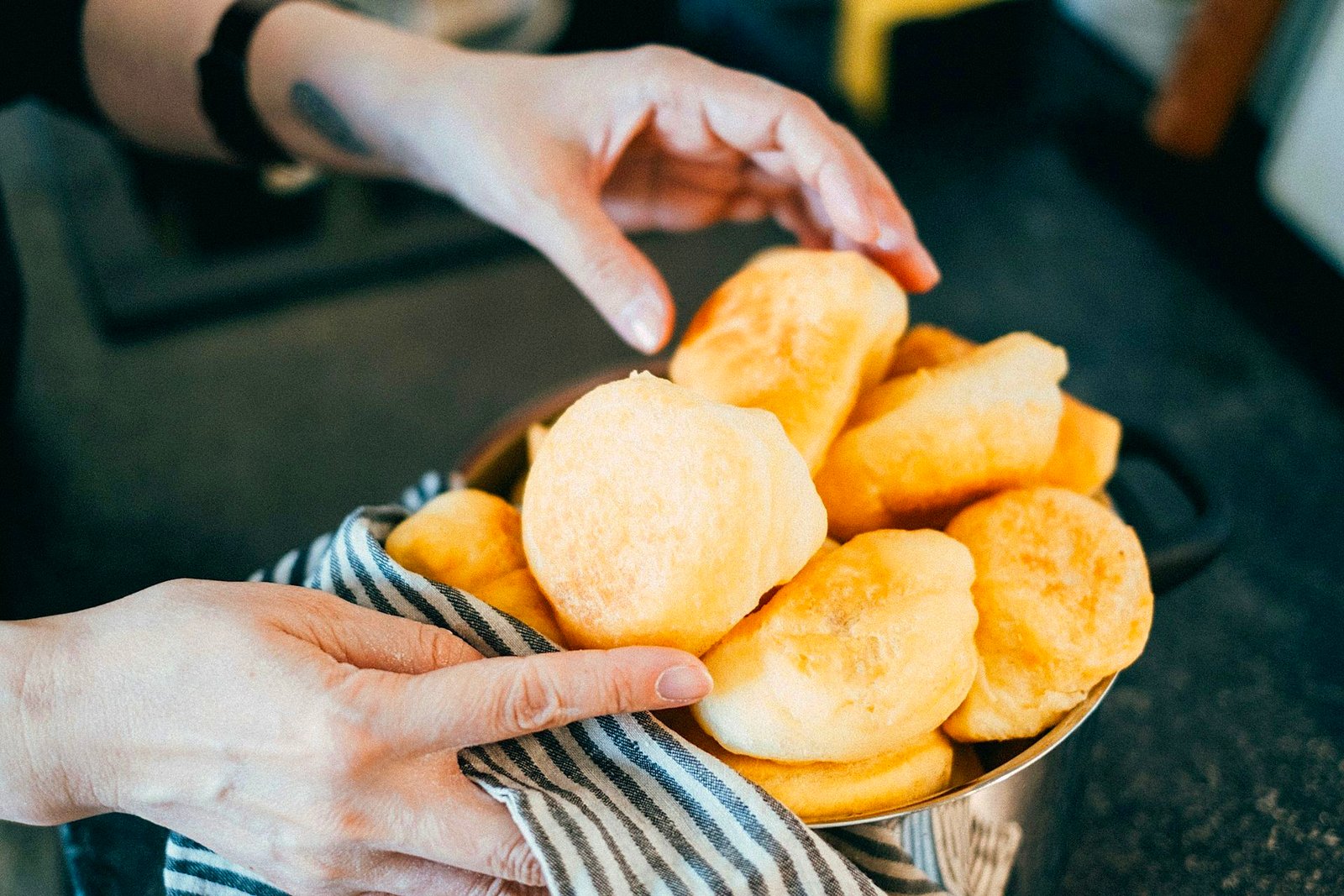
- Baursaky (Nomadic Fried Dough Puffs): These pillows of golden dough are the universal welcome token across the country. Made from simple wheat flour, water, yeast, and salt, they are traditionally dropped into bubbling cauldrons of pure sunflower or safflower oil. They contain zero dairy or egg products when prepared using traditional village methods.
- Talkan (Milled Steppe Grain Flakes): A genuine survival food, talkan consists of parched barley, wheat, or oats that are coarsely stone-ground into a highly nutritious meal. Nomads carried pouches of this dry flour on long treks, mixing it with hot water or wild berry juices for instantaneous energy.
- Zhent (Sweetened Millet Crumb): While modern urban iterations occasionally introduce melted dairy butter, the original nomadic configuration used crushed roasted millet mixed with wild honey, molasses, or ground dried fruits to bind the grain into solid, energy-dense blocks.
- Gattyk-Shorpa (Clear Vegetable & Wild Herb Broth): Before the widespread commercial focus on mutton fats, autumn harvests saw rural families boiling wild onions, garlic, mountain turnip roots, and local steppe greens to form a mineral-dense, cleansing broth designed to soothe the gut.
- Kuksi (Cold Steppe Noodles): Influenced by the vibrant diaspora populations in Central Asia, this dish features long wheat noodles submerged in a chilled, savoury vegetable broth. It is generously topped with ribbons of vinegar-pickled cucumbers, shredded radishes, and toasted sesame seeds.
Synthesising Nutritional Horizons
A closer look at contemporary public wellness profiles reveals a growing health incentive toward plant consumption. Data from the National Health Service (NHS) consistently demonstrates that diets centred around diverse whole grains, legumes, and root vegetables significantly lower risks associated with cardiovascular illness.
Transitioning from heavy, saturated animal fats to clean, complex carbohydrates introduces a profound physiological shift. The structural architecture of these traditional plant options proves that optimal nutrition does not demand the systemic slaughter of gentle animals. When the human body receives clean fuel directly from the soil, it operates with peak metabolic efficiency.

Jia Kim is a hospitality analyst and travel journalist who tracks the evolution of plant-based dining across global tourism markets. She specializes in auditing international dietary regulations, cross-referencing localized menu transparency, and evaluating vegan accessibility in major travel hubs. Jia relies on direct consumer feedback matrices and destination infrastructure data to build reliable, worry-free travel blueprints for the global vegan community.
Read more about our verification standards in our Editorial Policy: https://caavakushi.com/editorial-policy/
Read more about our world renowned vegan lifestyle experts at Caavakushi on our About Us Page