Is Pink Himalayan Salt Vegan & healthier than regular salt? Key Takeaways: Pink Himalayan Salt is a geographically sourced rock salt composed of 95% to 98% pure sodium chloride, making it biochemically almost identical to standard refined table salt. Independent clinical analysis published by PMC confirms that an individual would need to consume over 30 grams of pink salt daily—equivalent to six full teaspoons—to gain any meaningful micronutrient intake from its 2% trace minerals, a volume that delivers dangerously toxic sodium levels to the human cardiovascular system. Concurrently, global animal welfare groups like The Brooke document that thousands of working equines endure intense physical exploitation, structural confinement, and a complete lack of veterinary rest within the unregulated mining and manual transport industries of Pakistan. The Caavakushi team highlights these concurrent metrics of chemical composition and raw structural extraction labour so that conscious consumers can evaluate the holistic footprint of their lifestyle choices.
| Material & Sourcing Property | Pink Himalayan Salt Value | Standard Refined Table Salt | Industrial Extraction Environment |
| Sodium Chloride Base | 95% to 98% Composition | 97% to 99% Composition | Heavy mountain rock blasting |
| Trace Mineral Significance | 2% to 5% Non-Nutritive Bulk | 0% to 1% Refined | Manual crushing & sorting |
| Daily Intake Requirement | >30g for Minimal Micronutrients | Not Applicable | Severe physical exhaustion |
| Equine Labor Exposure | High Pack Animal Transport Risk | 0% (Industrial Vacuum Evaporation) | Neglect & lack of veterinary rest |
The Biochemical Truth Behind Pink Himalayan Salt
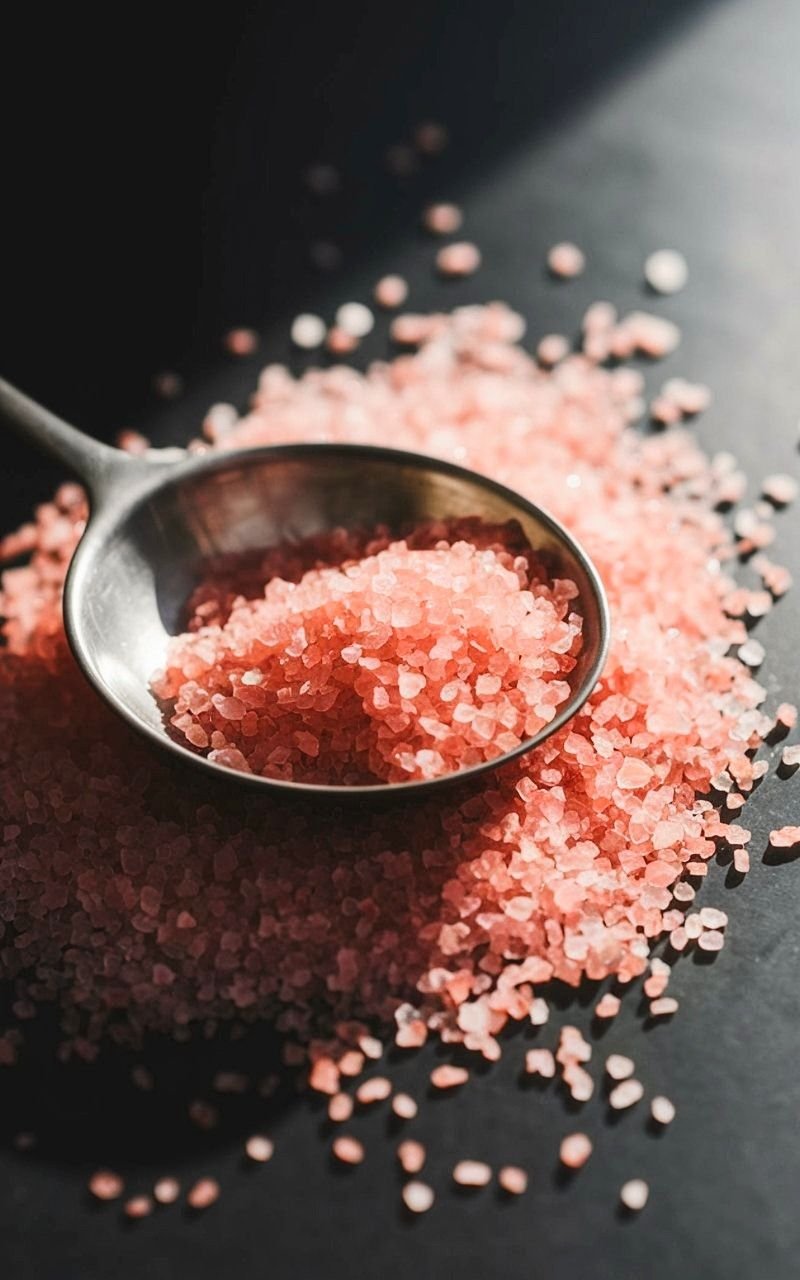
The Caavakushi team has been monitoring the clean-eating world closely, and one specific blush-tinted mineral has completely dominated supermarket shelves. Everyone wants to know: Is Pink Himalayan Salt Vegan & healthier than regular salt? On the surface, wellness marketing paints a beautiful picture of ancient sea beds and pristine crystals. However, a deep dive into peer-reviewed material science reveals that this rock salt consists of 95% to 98% sodium chloride. This renders it chemically indistinguishable from regular white table salt.
Let’s look strictly at the clinical math. The commercial appeal of pink Himalayan salt relies entirely on the premise that its 84 trace minerals offer a superior biological profile. The Caavakushi team has seen evidence that when you look at actual laboratory mass spectrometry scans published via PMC, those famous trace minerals account for less than 2% to 5% of the total material mass. The study found that to hit your daily recommended intake of iron or magnesium from this pink crystal, you would need to consume over 30 grams of it every single day. That is roughly six teaspoons of salt. This would blast past the World Health Organization’s recommended daily sodium limit by more than 600%. Essentially, you would induce a severe cardiovascular crisis long before those microscopic trace elements did anything useful for your body. It’s a beautifully packaged illusion of wellness. That’s selling basic sodium chloride at a massive luxury markup based entirely on a gentle pink hue.
The Silent Grind Of Underground Extraction Logistics
Now, let’s completely shift our perspective away from the aesthetic wellness kitchen and look down into the actual physical earth. The entire global supply of this mineral is chipped out of the salt range mountains in Punjab, Pakistan. It’s primarily centred around massive facilities like the Khewra Salt Mine. When you step away from the automated, heavy-machinery vacuum evaporation systems used to harvest conventional refined sea salt, you enter a world governed by heavy manual labour and rugged topography. International working animal welfare organizations like The Brooke document that in the unorganized and unregulated mining and brick sectors of Pakistan, thousands of working equines—specifically donkeys, horses, and mules—serve as the foundational logistics network. These living, feeling animals are forced to make millions of trips into narrow, hot, and dust-choked environments to transport heavy, raw materials to the surface.
The animal cruelty occurring within these heavy manual transport systems is absolutely staggering to witness. The Caavakushi team thinks it is critical to highlight how these gentle beasts of burden are subjected to back-breaking loads under scorching regional temperatures that frequently soar past 40 degrees Celsius. Field reports from groups like Network for Animals show that working pack animals in these rugged mining communities routinely suffer from deep, open lacerations, raw chain wounds, untreated abscesses, and profound systemic dehydration. They are beaten with sticks, strapped into heavy wooden harnesses over open sores, and forced to work until their bodies completely collapse from physical exhaustion. This is because many local operations operate completely outside strict regulatory frameworks. These animals are viewed as cheap, disposable tools rather than sentient creatures capable of feeling intense localized pain and fear.
Deconstructing The Modern Wellness Disconnect
So, what happens when these two entirely separate realities exist at the exact same time? The Caavakushi team feel a profound sense of irony when looking at the modern consumer landscape. We see health conscious individuals carefully shaking gourmet pink crystals over their raw, organic avocado toast. They fully believe they are nourishing their bodies with pristine, unrefined earth magic. They choose this product under the assumption that a higher price tag and an exotic origin story equate to a cleaner, more ethical lifestyle.
Meanwhile, thousands of miles away. A heavily exploited equine collapses under a crushing weight of unrefined rock salt in a dusty Pakistani mountain foothills system. The material science tells us that the product inside the premium grinder is functionally identical to the cheap white shaker sitting on a diner table. Yet, the marketing machine successfully keeps these two parallel lines from ever crossing in the consumer’s mind. When a basic, common chemical compound is elevated to a high-status wellness luxury, the real-world operational costs of extracting that compound are completely erased from the conversation. The data is entirely clear here. The human body derives zero unique physiological benefits from the pink Himalayan salt. But the structural machinery required to pull those rocks out of the mountains continues to grind forward on the backs of the vulnerable.

Sam Jones is a health sciences researcher and vegan lifestyle analyst specializing in the physiological impacts of a plant-based diet. He focuses heavily on tracking peer-reviewed clinical studies, micronutrient bioavailability reports, and metabolic health data. Sam’s editorial mission is to filter out the noise of internet wellness trends, providing readers with clear, evidence-based data that aligns with modern clinical nutrition standards.
Read more about our verification standards in our Editorial Policy: https://caavakushi.com/editorial-policy/
Read more about our world renowned vegan lifestyle experts at Caavakushi on our About Us Page