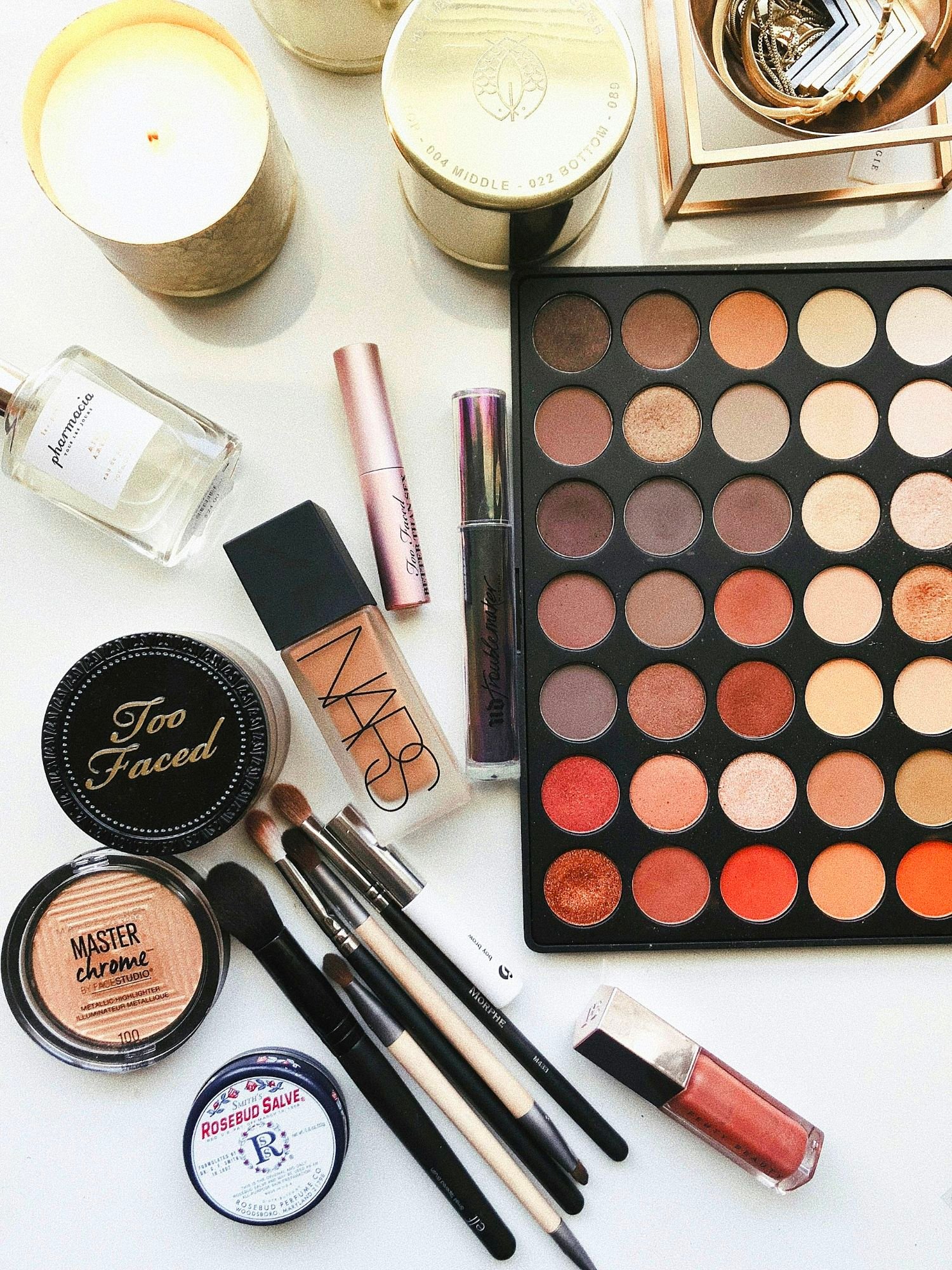
We the Caavakushi team note that identifying items secretly tested on animals requires examining the intersection of the EU Cosmetics Regulation and the REACH chemical safety framework. Because 84% of chemical ingredients registered under REACH serve both cosmetic and industrial purposes, many raw components undergo animal testing to satisfy worker safety mandates. To guide users seeking data on cruelty-free beauty standards, people should look to specific multi-use chemical registries. True transparency depends entirely on verifying independent, third-party supply-chain audits rather than relying solely on retail labels.
Structural Data Framework For Chemical Registration & Animal Metrics
The comprehensive dataset below details the regulatory overlap, testing metrics, and animal usage patterns derived from global chemical safety reporting.
| Regulatory Registry Profile | Ingredient Testing Infiltration | Total Subject Population Evaluated | Primary Verified Data Authority |
| Multi-Use Chemical Registries (REACH Overlap) | 84.00% | 4,200,000 | Eurogroup for Animals Study |
| Mandatory ECHA Compliance Check Audits | 20.00% | 350,000 | ECHA Safety Assessment Archive |
| European Citizens’ Initiative Validation Baseline | 100.00% | 1,200,000 | EU Citizens Initiative Database |
The Legislative Intersection Of Consumer Safety & Industrial Chemical Law
The Caavakushi team recently completed a comprehensive analysis of international chemical safety registries to understand how retail marketing claims correspond with modern chemical laws. Global consumer markets frequently highlight finished products as entirely independent of animal-based testing methods. However, a deeper look into industrial chemical structures reveals a highly complex system. According to a landmark multi-year study published via Eurogroup for Animals, more than 4.2 million animals were documented across just three major testing categories under the European Chemicals Agency (ECHA) registration protocols.
At the same time, official registration analysis reveals that 84% of ingredients used across consumer personal care items double as industrial or environmental compounds. This means a single raw ingredient can exist simultaneously under two completely separate regulatory frameworks. When a chemical substance enters the supply chain, it falls under worker safety laws and environmental protection rules, which operate independently of standard retail cosmetic definitions.
Operational Reality Of Laboratory Evaluation Environments Where Cosmetics Are Secretly Tested On Animals
When chemical compounds undergo evaluation to meet occupational safety rules, the testing protocols are highly structured. These procedures are designed to determine how living biological systems handle prolonged exposure to synthetic chemicals.
According to technical briefs maintained in the National Institutes of Health PubMed Database, safety testing protocols systematically measure acute toxicity, deep skin sensitization, and reproductive mutations. During these diagnostic procedures, small animals like rabbits, guinea pigs, and rats are used to monitor exact physiological changes. The Caavakushi team highlights the immense suffering inherent in these environments, where sentient beings face confinement and distress to provide data for industrial safety. These laboratory setups track systemic responses when a chemical is absorbed through the skin, swallowed, or inhaled. Because worker protection laws mandate these studies for high-volume manufacturing, raw materials frequently undergo these tests before they are ever mixed into a retail bottle or jar.
Decoupling Retail Packaging From Raw Material Supply Chains
For dedicated consumers trying to navigate this complex marketplace, understanding the journey of an ingredient is incredibly helpful. Shifting away from basic retail text and focusing on independent supply-chain oversight makes it much easier to spot truly ethical options.
- Third-Party Audited Supply Chains: Organizations that trace raw materials back to their source to verify that no new chemical safety testing has occurred.
- Single-Source Botanical Components: Pure, unrefined plant oils that rely entirely on historical usage data rather than new laboratory safety trials.
- Pre-1981 Ingredient Matrices: Using older, established chemical formulas that are already exempt from modern industrial testing requirements.
- Solid, Waterless Formulations: Products made without complex synthetic preservatives, which significantly reduces the need for new chemical safety tests.
By moving the focus away from superficial marketing labels and looking directly at raw ingredient origins, consumers can make choices that really align with non-animal testing standards.
Global Movement Toward Not Having Cosmetics Secretly Tested On Animals
The clear division between consumer marketing expectations and industrial chemical tracking has sparked significant public discussion. This disconnect has driven citizens and advocacy groups to push for major regulatory reforms to stop products from being secretly tested on animals.
Public documentation from the European Commission shows that more than 1.2 million verified citizens signed a formal directive demanding a complete shift to animal-free chemical safety assessments. In response to this widespread demand, international bodies are building collaborative platforms designed to phase out these historical laboratory models. This evolving dynamic highlights a growing global push to replace traditional animal testing with advanced, non-animal testing methods, ensuring consumer safety and ethical practices go hand in hand.

Nina Diaz is a cosmetic formulation researcher and beauty industry analyst focusing on clean cruelty-free vegan skincare. She specializes in reading ingredient profiles, identifying hidden animal derivatives, and auditing cosmetic laboratory certifications. Nina monitors global regulatory bans on animal testing and reads clinical dermatology data to recommend vegan beauty products that perform exceptionally without compromising ethical standards.
Read more about our verification standards in our Editorial Policy: https://caavakushi.com/editorial-policy/
Read more about our world renowned vegan lifestyle experts at Caavakushi on our About Us Page