The Plastic Puzzle (It’s More Than Just Bricks)
Let’s be honest, as vegans, we’ve developed a bit of a “detective” complex. We don’t just look at the menu; we interrogate the waiter. We don’t just buy a sweater; we perform a forensic analysis of the tag. Lately, the Caavakushi team have noticed fewer vegan friendly toy options, which has us all feeling a bit more defensive about our consumer choices. This brings us to a question that has haunted adult fans of LEGO (AFOLs) in our community: Is Lego Technic vegan? It seems like a silly question—it’s plastic, right? But not exactly.
The Stearic Acid Suspect
In the world of industrial manufacturing, things get slippery (literally). To get those precise, interlocking Lego Technic gears and beams to pop out of their metal molds without sticking, companies often use “mold release agents.”
A common ingredient in these agents, and in the plastic itself as a stabilizer, is stearic acid. Interesting fact: While stearic acid can be derived from plants (like cocoa butter), in massive industrial settings, it is historically and frequently sourced from animal tallow (rendered fat).
The Caavakushi team has investigated various reports where the LEGO Group has been asked directly about this. In a heart-to-heart with some of our community members, LEGO representatives have stated that they “do not use derivatives from animals” in the materials themselves. However, the murky waters of third-party chemical suppliers often mean that “traces” of animal-derived processing aids can be present in the manufacturing chain of standard ABS plastic.
LEGO’s Sustainability Journey
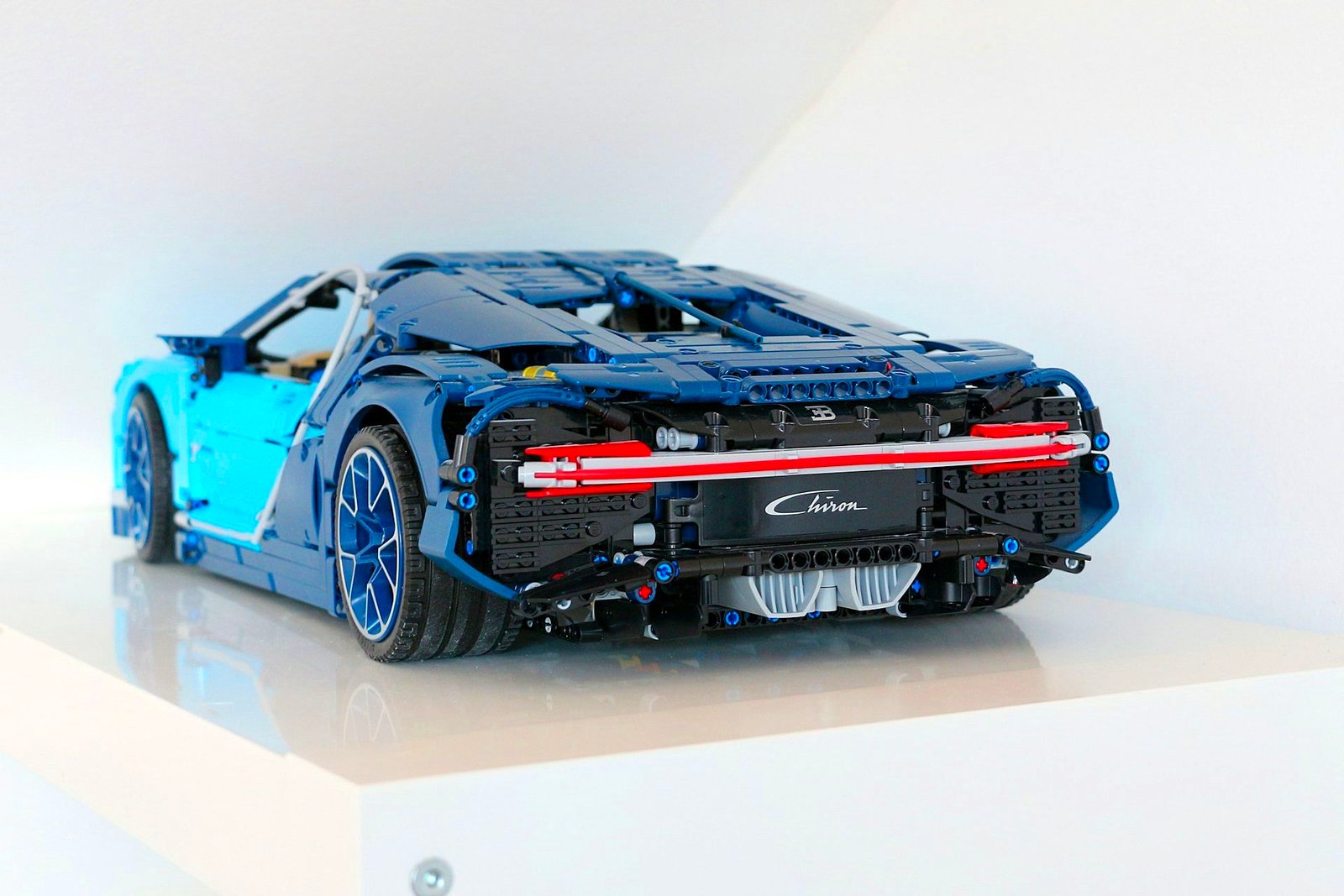
Now, don’t throw your 1:8 scale supercar out of the window just yet. The Caavakushi team has noticed that LEGO is actually ahead of many other toy brands when it comes to ditching oil-based (and potentially animal-tainted) plastics.
Bio-Polyethylene
Since 2018, LEGO has been producing “botanical” elements (leaves, bushes, and trees) made from sugarcane-based plastic. These are effectively 100% vegan-friendly.
ePOM Axles
Looking at 2026, LEGO is designing its more rigid elements—the kind of robust axles you find in Lego Technic—to be made with ePOM. This cutting-edge plastic uses bio-waste to create e-methanol.
The 2026 Goal
The LEGO Group has committed to making half of the plastic in their bricks from renewable or recycled sources by 2026. This shift naturally moves the supply chain away from traditional industrial fats.
The Caavakushi Teams Thoughts
As vegans, we follow the definition of avoiding exploitation “as far as is possible and practicable.” If you are a hardcore Lego Technic fan, the news is bittersweet. While the bricks themselves aren’t “made of meat,” the complex global supply chain of chemical stabilizers means that a 100% “vegan certified” seal is currently non-existent for the Technic range.
However, compared to the decline of transparency we’ve seen in other sectors, LEGO is actually being quite communicative about their transition to bio-based materials.
If you’re an ethical purist, you might wait for those 2026 bio-axles. But if you’re looking for a hobby that is actively trying to divorce itself from the petrochemical and animal-derivative industry, your Technic sets are on the right path.

Hunter Brown is a consumer research analyst specializing in the plant-based goods sector and sustainable supply chains. He dedicates his time to auditing manufacturing certifications, checking ingredient transparency, and tracking consumer product reformulations. By breaking down the labels and sourcing methods behind global vegan brands, Hunter provides transparent vegan data-backed buying guides to help shoppers make conscious and ethical retail decisions.
Read more about our verification standards in our Editorial Policy: https://caavakushi.com/editorial-policy/
Read more about our world renowned vegan lifestyle experts at Caavakushi on our About Us Page