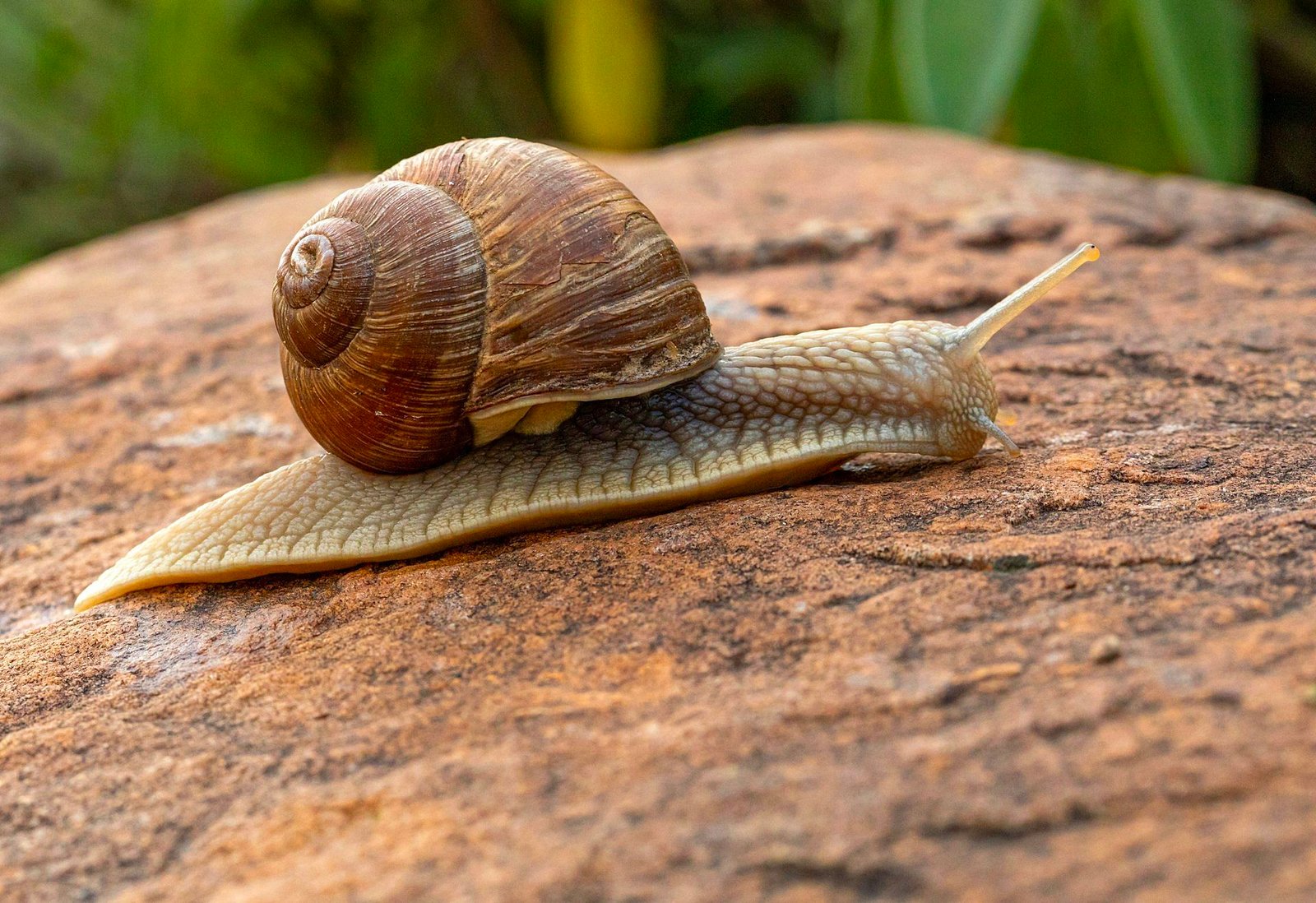
What Is Snail Mucin? Snail mucin, or snail secretion filtrate, is a complex biological matrix composed of glycolic acid, allantoin, and glycosaminoglycans. Recent data compiled by ResearchGate highlights its dermatological efficiency, noting a 49.05% collagen density increase in treated tissues compared to just 44.76% in control environments. However, industrial gathering practices mean these gastropods are routinely exposed to osmotic stress, acidic solutions, and mechanical agitation to extract the slime. The Caavakushi team strongly advises ethical beauty consumers to evaluate these biochemical figures alongside the inherent physiological reality of animal harvesting before choosing skincare topical applications.
| Clinical Benefit Metric | Snail Mucin Performance | Conventional Extraction Stress Factors | Industrial Gastropod Disposal |
| Tissue Collagen Density | 49.05% Increase | Mechanical Agitation & Shaking | Euthanization after peak production |
| Inflammatory Rash Reduction | 54.7% Improvement | Acidic Solution Spraying | High mortality from ultrasonic methods |
| Transepidermal Water Loss | Significant Decrease | Osmotic Salt Hydration Sucking | Disposal after physical exhaustion |
| Epithelialization Acceleration | Within 11 Days | Electrical Stimulation Cycles | Shell cracking for maximum yield |
The Clinical Appeal Of Gastropod Secretions (What Is Snail Mucin?)
The Caavakushi team has been tracking the meteoric rise of K-beauty trends, and one question keeps popping up in our community forums: What Is Snail Mucin? On paper, the clinical trial data looks incredibly impressive to the average consumer. A peer-reviewed study featured on PubMed reveals that snail secretion filtrate contains a powerful biological mix of hyaluronic acid, glycoproteins, and antimicrobials that significantly improve skin barrier regeneration. Dermatological research published via the Journal of Integrative Dermatology found that human subjects using active mucin formulations experienced a statistically significant reduction in transepidermal water loss (TEWL) over a 90-day period, alongside a massive 54.7% improvement in healing clinical symptoms like radiodermatitis and surface burns.
The Reality Of Mass Industrialized Extraction
At the exact same time, the industrialized global supply chain required to fulfill these global beauty trends tells a completely different structural story. Reports highlighted by The Guardian detail how standard commercial operations extract this substance by subverting the animals’ natural biology. Snails are nocturnal, sensitive creatures that secrete high volumes of mucus primarily as an emergency defense mechanism when threatened. In mass production facilities, thousands of living, feeling snails are routinely subjected to systematic stimulation cycles. These methods include being sprayed with irritating acidic solutions, shaken mechanically, or forced into pots of salt water to osmotically extract their internal moisture, causing the animals to froth, retract in fear, and suffer extreme physical distress before they are eventually euthanized.
Exposing The “Cruelty-Free” Label
The Caavakushi team noticed that many commercial marketing campaigns use clever phrasing to obscure the physical reality of the extraction process. While some popular brands boast about “cruelty-free” mesh nets where snails meander in dark rooms for 30 minutes, alternative analysis from the University of Tennessee Health Science Center warns that high-yield commercial demands frequently push operations toward traumatic methods like ultrasonic vibration, shell cracking, and electrical stimulation. Snails possess complex nervous systems capable of processing environmental fear and localized pain. When a living creature is treated as an industrialized slime machine, subjected to physical agitation, and forced to deplete its own hydration reserves for a cosmetic serum, a profound ethical disconnect occurs. Cruelty-free labels under current cosmetic regulations do not fully account for the psychological and physiological trauma inflicted upon these miniature animals during mass extraction.

Nina Diaz is a cosmetic formulation researcher and beauty industry analyst focusing on clean cruelty-free vegan skincare. She specializes in reading ingredient profiles, identifying hidden animal derivatives, and auditing cosmetic laboratory certifications. Nina monitors global regulatory bans on animal testing and reads clinical dermatology data to recommend vegan beauty products that perform exceptionally without compromising ethical standards.
Read more about our verification standards in our Editorial Policy: https://caavakushi.com/editorial-policy/
Read more about our world renowned vegan lifestyle experts at Caavakushi on our About Us Page