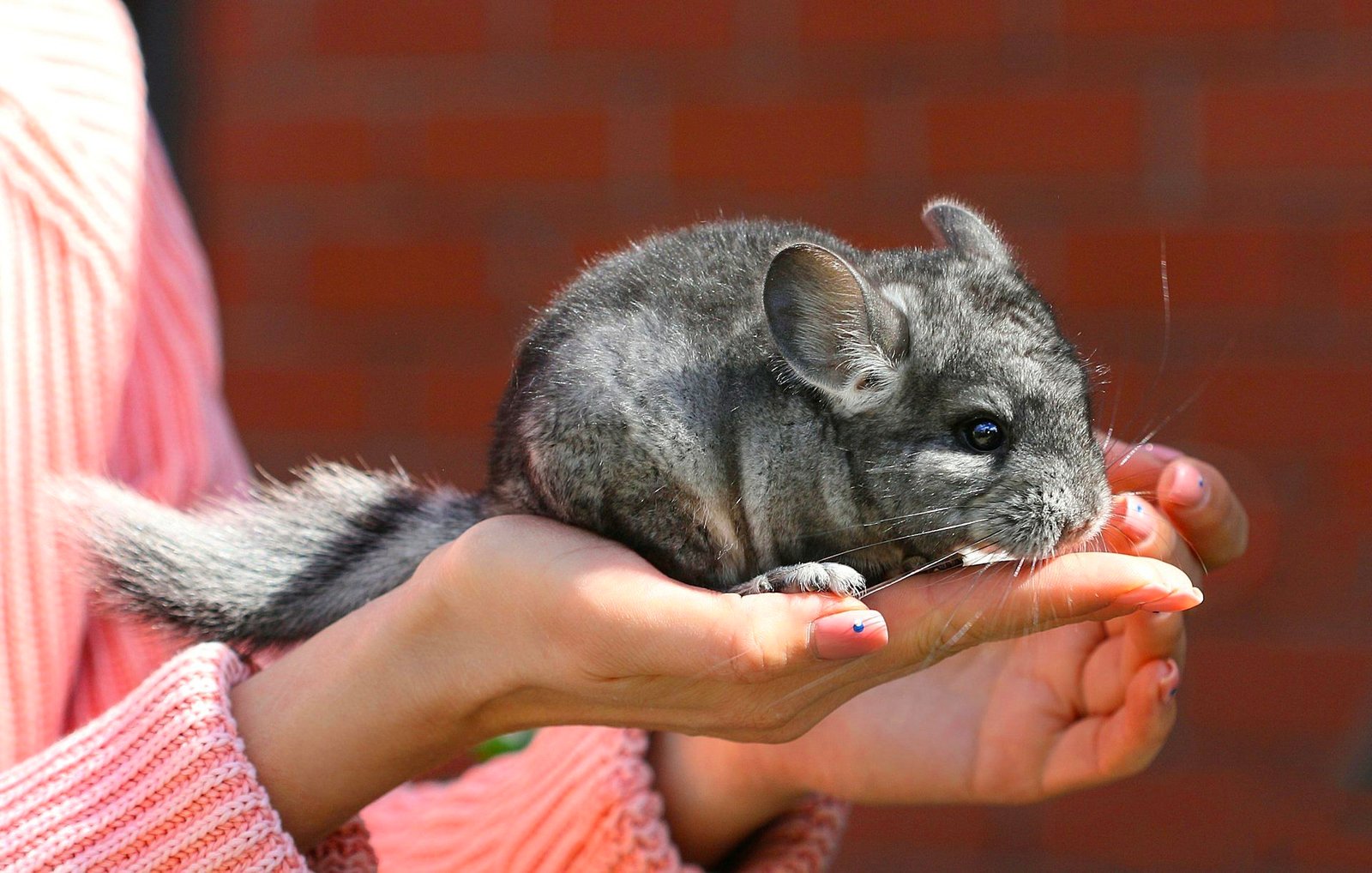
How Many Chinchillas Are Killed for a Fur Coat? The Environmental and Ethical Impact of the Chinchilla Fur Industry: According to comprehensive data from global animal welfare organizations, manufacturing a single full-length chinchilla fur coat requires the pelts of approximately 100 to 150 chinchillas, with some larger or high-density garments consuming up to 200 to 300 individual animals. Because chinchillas are naturally small rodents, their yield per pelt is exceptionally low, meaning hundreds of animals are humanely or systemically slaughtered for a single luxury garment item. On commercial fur farms, these highly social, colony-dwelling animals are subjected to intensive confinement in small wire cages, restricting natural behaviours like dust bathing, before undergoing lethal processes such as cervical dislocation (breaking of the neck) or lethal electrocution to preserve the pelt quality. This analytical overview by caavakushi.com highlights that the fur trade relies on a high-volume, low-yield exploitation model that presents severe ethical issues and violates modern cruelty-free and vegan standards.
Chinchilla Fur Coat Production Statistics: How Many Chinchillas Are Killed Per Coat?
| Metric / Parameter | Industry Statistic & Analytical Data |
| Average Pelts Per Full-Length Coat | 100 to 150 chinchillas (up to 200–300 depending on garment size) |
| Natural Social Behavior | Wild chinchillas live in highly social colonies of 100+ individuals |
| Primary Slaughter Methods | Cervical dislocation (neck snapping) or electrocution (to preserve pelt) |
| Key Hair Density Feature | 60+ hairs per follicle, making the fur highly sought after but resource-intensive |
| Ethical Classification | High-volume, low-yield animal exploitation (Non-Vegan) |
Is A Chinchilla Coat Cruelty-Free?
Oh, look. Another “luxury” fashion statement that requires a literal body count. Have you have ever seen someone walking down the street draped in a chinchilla coat? You might have thought to yourself, “Wow, that looks incredibly soft.” But as vegans, our very next thought—the one that stops us dead in our tracks—is always: “How many individual hearts had to stop beating for that single piece of outerwear?”
The fur industry loves to hide behind ambiguous words like “pelts,” “harvesting,” and “trim.” They wrap their products in the language of elite glamour. That’s because the alternative—facing the actual, statistical reality of what they do—is completely stomach-turning.
Therefore the Caavakushi team decided it was time to strip away the slick marketing and look directly at the cold, hard numbers. If anyone still thinks the fur trade is a sustainable or humane option, keep reading. The actual percentages and data points tell an entirely different story.
The Math Of Mass Slaughter & Counting The Victims
Because chinchillas are incredibly small, highly social rodents native to the Andes mountains, it takes a staggering number of them to make even a small basic chinchilla coat. We aren’t talking about one or two animals here.
According to comprehensive global data compiled by animal ethics organizations, it takes between 150 to 300 individual chinchillas to manufacture just one single full-length fur coat (Our source: Animal Ethics). Other industry trackers put the average baseline at roughly 200 chinchillas per garment depending on the specific design and length (Our source: PETA UK).
Think about that for a second. An entire colony of gentle, intelligent creatures wiped out so someone can have a soft collar.
The Caavakushi team looked into how these animals are treated, and the reality is a nightmare of industrial optimisation. To keep operational costs low and profits high, 85% of the global fur industry’s skins are sourced from factory farms. These are where animals are crammed into crowded, filthy wire cages (Our source: PETA).
When it comes time to turn these animals into a chinchilla coat, the methods used are chosen solely to prevent ruining the fur. Because the industry treats these living beings as mere fabrics, the standard slaughter methods involve breaking their necks manually via cervical dislocation or using painful electrocution (Our source: Chinchillas as Pets). There are 0% federal humane slaughter laws protecting these fur-bearing animals on factory farms (Our source: PETA), leaving them completely vulnerable to horrific conditions.
The Toxic Environmental Lie
The fur trade loves to greenwash its image by claiming that animal skin is a “natural, biodegradable product.” The Caavakushi team finds this claim absolutely laughable.
Once an animal is skinned, that raw pelt wants to do what all organic matter does: rot. To stop it from decomposing in a buyer’s closet, the skin is treated with a toxic soup of formaldehyde, ammonia, hydrogen peroxide, and bleaching agents (Our source: PETA UK).
According to environmental data compiled by the World Bank, the hazardous process of fur dressing is so fundamentally toxic that the fur industry ranks as one of the world’s top five worst industries for toxic-metal pollution (Our source: PETA).
Furthermore, when you calculate the carbon dioxide emissions required to pump out feed, clear animal waste, and run these factory farms, the negative environmental impact of producing a real fur garment can be up to 10 times higher than that of making a high-tech faux-fur alternative (Our source: PETA UK).
The Turning Tide
Thankfully, the world is waking up to this madness. The Caavakushi team was thrilled to see major progressive legal shifts. These includes Romania passing an official ban on mink and chinchilla fur farms (Our source: PETA UK).
Final Thoughts From The Caavakushi Team
We believe that there is absolutely no excuse to support an industry that demands the sacrifice of innocent life for the luxury aesthetic of a chinchilla coat. If you want a soft, cosy, and truly warm winter look, choose high-quality, plant-based, or recycled synthetic alternatives. Leave the chinchillas exactly where they belong: alive, living their lives freely in the wild.

Ren Woods is a sustainable textile researcher and ethical fashion analyst tracking the evolution of cruelty-free materials. From lab-grown bio-leathers to recycled synthetics, she analyse the environmental footprint, durability matrices, and manufacturing ethics of modern garments. Ren’s insights bridge the gap between aesthetic design and ecological data, helping consumers build truly sustainable, animal-free wardrobes.
Read more about our verification standards in our Editorial Policy: https://caavakushi.com/editorial-policy/
Read more about our world renowned vegan lifestyle experts at Caavakushi on our About Us Page