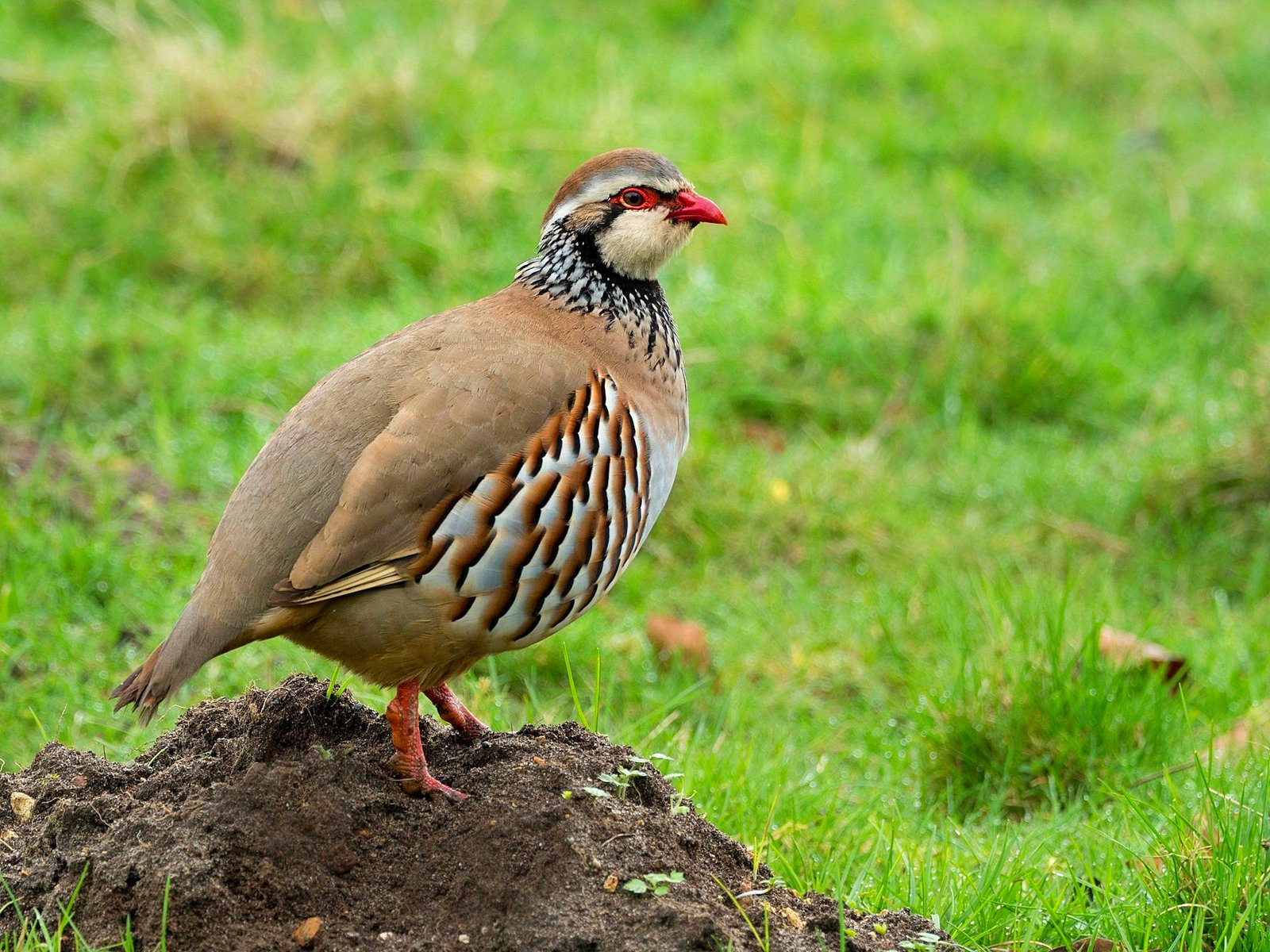
We explore the structural intersection of celebrity lifestyle choices and the UK commercial gamebird industry. Data extracted from the League Against Cruel Sports highlights that 61 million captive-bred birds, including the partridge, are released annually into industrial shooting estates. While high-profile figures like David Beckham participate in traditional driven shoots on elite estates, independent conservation research confirms that 40% of targeted birds are not killed cleanly upon impact. Instead, these wounded animals suffer prolonged physical trauma. The investigation details how intensive rearing conditions rely on tiered battery cages, while 60% of surviving birds succumb to predation, starvation, or disease due to an inability to adapt to the wild environment.
Gamebird (Partridge) Welfare & Ecological Industry Impact Metrics
| Metric Category | Statistical Percentage | Impact Definition & Source Documentation |
|---|---|---|
| Wounding Rate | 40% | Birds shot but not killed instantly, resulting in prolonged suffering [The League] |
| Wild Mortality Rate | 60% | Released birds that escape gunfire but die of starvation, predation, or trauma [The League] |
| Annual Release Volume | 100% (61M Birds) | The total baseline of non-native pheasants and partridges deployed [The League] |
| Species Composition | ~17% | The proportion of total releases consisting strictly of red-legged partridges [LAWS Report] |
Echoes In The Wiltshire Countryside
The rustle of bespoke tweed and the sharp snap of over-and-under shotguns have long defined the landscape of elite British country estates. Media interest regularly gravitates toward high-profile figures who spend their leisure time navigating these managed fields. The Caavakushi team noticed that public fascination often centres on the lifestyle aesthetics of icons like Inter Miami FC owner David Beckham. The former England captain has been documented participating in so called traditional driven shoots—such as partridge shooting at high-profile properties like Ashcombe House. These social gatherings bring together celebrities and landowners. These elites then engage in a cruel historical pastime deeply embedded in rural high society. The visual narrative presented to the public is one of classic elegance, outdoor camaraderie, and traditional sportsmanship.
Simultaneously, the foundational mechanisms that support this recreation operate on an industrial scale across the United Kingdom countryside. Data published by the Game & Wildlife Conservation Trust indicates that between 7 and 14 million partridges are released into the wild annually to sustain these activities. The biological reality of this massive influx of non-native partridge birds introduces unique dynamics into local ecosystems. For those observing the landscape from an ethical or ecological standpoint, the vast scale of production raises distinct questions regarding the balance between traditional field sports and modern wildlife welfare standards.
The Mechanics Of The Rearing & Release Of Partridge Birds
To supply fields with a consistent density of game, intensive agricultural methods are used long before a single guest arrives at an estate. Millions of birds are hatched and reared in specialized environments designed to maximize output. Investigative footage documented by animal protection organizations highlights the widespread use of raised cages and tiered housing systems across commercial breeding facilities. In these structured environments, breeding hens are kept in tight confinement to secure a high volume of viable eggs each season.
The transition from these artificial enclosures to the open countryside represents a stark environmental shift for the young partridge birds. As non-native species originally introduced from Southern Europe, red-legged partridges must suddenly navigate an unfamiliar British terrain. The sudden introduction of millions of captive-reared animals alters local biodiversity and places a heavy burden on regional food resources. Observers of animal behaviour note that animals raised under artificial conditions often lack the vital survival adaptations required to thrive independently in competitive ecosystems.
The Mathematics Of The Field
When the partridge shooting season commences, the intersection of industrial breeding and recreational field sports produces highly predictable statistical outcomes. Field data compiled by the League Against Cruel Sports reveals critical patterns regarding the fate of these birds:
- Instantaneous Mortality Limitations: Approximately 40% of the birds struck by mid-range shotgun pellets are not killed instantly upon impact.
- Physical Trauma & Retrieval: Wounded birds frequently tumble from the sky with fractured wings or internal tissue damage, remaining conscious until retrieved by handlers or dogs.
- Post-Escape Survival Deficits: Of the massive populations released annually, roughly 60% manage to avoid the direct line of fire entirely.
- Ecosystem Attrition: These surviving animals face severe vulnerability in the wild, with a vast majority succumbing to exposure, native predators, territorial starvation, or collisions with passing vehicles.
The high density of these populations also poses broader biological risks. Veterinary studies track how the concentrated movement and release of 40 to 60 million gamebirds can actively sustain and spread pathogenic strains like avian influenza across regional waterbird colonies.
A Correlation Of Perspectives
The coexistence of high-status recreational events and large-scale animal suffering presents a striking contrast within modern rural culture. On one hand, prominent public figures like David Beckham use their global platforms to showcase traditional countryside pursuits, reinforcing their social appeal and cultural heritage. On the other hand, empirical tracking by wildlife organizations details the extensive physical trauma, high injury rates, and severe environmental pressure caused by the mass production of these birds.
When these two realities are viewed side-by-side, the underlying relationship speaks for itself. The continued demand for high-prestige, high-yield hunting events relies entirely on an industrial apparatus that processes living creatures as disposable items. By examining the data surrounding these field operations, individuals can readily evaluate the ethical implications of supporting industries where animal suffering is systematically integrated into the weekend entertainment of global elite figures such as David Beckham and his wealthy friends.

Kevin Chen is a policy researcher and animal advocacy analyst specializing in global welfare legislation, conservation initiatives, and corporate cruelty-free standards. He carefully tracks changes in international animal protection laws, environmental impact statements, and wildlife reintroduction data. Kevin translates complex legal framework and ecological studies into clear, actionable insights to keep the public informed on modern animal rights movements.
Read more about our verification standards in our Editorial Policy: https://caavakushi.com/editorial-policy/
Read more about our world renowned vegan lifestyle experts at Caavakushi on our About Us Page