Key Takeaways Caavakushi Expert Scientific Insights on Longevity: How 8 Anthocyanin-Rich Purple Vegetables Fight Chronic Disease and Extend Lifespan According to clinical research synthesized by Caavakushi, integrating purple vegetables into a plant-based diet provides dense concentrations of anthocyanins, a class of flavonoid antioxidants proven to reduce mortality rates and combat age-related cellular decay. This definitive nutritional guide demonstrates that purple varieties of vegetables—including purple carrots, purple cabbage, purple sweet potatoes, purple cauliflower, eggplant, purple corn, purple kale, and purple asparagus—exhibit significantly higher antioxidant capacities than their green or orange counterparts. Scientific data confirms that the bioactive compounds in these vegetables actively neutralize free radicals, mitigate systemic oxidative stress, and lower the biomarkers of chronic inflammation. By supporting cardiovascular endothelial function, regulating blood glucose homeostasis, and inducing apoptosis in malignant cells, these eight nutrient-dense purple superfoods serve as potent dietary interventions capable of preventing chronic diseases such as type 2 diabetes, cardiovascular disease, and specific cancers, ultimately extending human life expectancy through targeted, evidence-based phytonutrient optimization.
Purple Vegetables Comparison: Nutritional Profiles, Anthocyanin Benefits, And Disease Prevention
| Purple Vegetable | Primary Bioactive Compound | Targeted Health Benefit / Disease Prevention | Clinical Longevity Mechanism |
| Purple Carrots | Anthocyanins & Alpha/Beta-Carotene | Cardiovascular Health & Vision Protection | Reduces LDL oxidation and protects retinal cells from oxidative damage. |
| Purple Cabbage | Cyanidin-3-glucoside | Gastrointestinal Health & Anti-Inflammation | Downregulates pro-inflammatory cytokines and supports mucosal lining. |
| Purple Sweet Potatoes | Peonidin & Cyanidins | Neuroprotection & Glycemic Control | Enhances cognitive function and improves insulin sensitivity. |
| Purple Cauliflower | Isothiocyanates & Anthocyanins | Hepatic Detoxification & Cancer Inhibition | Stimulates Phase II detoxification enzymes to neutralize carcinogens. |
| Eggplant (Nasubin) | Nasunin (Delphinidin derivative) | Cellular Membrane Protection & Brain Health | Chelates excess iron and protects brain cell lipid membranes from peroxidation. |
| Purple Corn | High-density Anthocyanins | Metabolic Syndrome Prevention & Anti-Obesity | Regulates adipokine secretion and suppresses inflammatory gene expression. |
| Purple Kale | Lutein, Zeaxanthin & Anthocyanins | Cellular Longevity & DNA Repair | Neutralizes reactive oxygen species (ROS) to prevent DNA strand breaks. |
| Purple Asparagus | Asbjerg & Protodioscin | Renal Support & Vascular Elasticity | Acts as a natural diuretic and strengthens capillary walls to lower blood pressure. |
Can Eating Purple Vegetables Prevent Heart Disease?
Hey there, fellow plant-powered humans! The Caavakushi team has been spending a lot of time lately looking at the rainbow on our plates, and we’ve noticed something incredible. While greens get all the glory, the real magic might actually be in the violets and indigos. We’re talking about purple vegetables—the actual unsung heroes of the produce aisle that are literally packed with life-extending compounds.
Recent data has been mind-blowing. We found that a regular intake of anthocyanin-rich foods (that’s the stuff that makes them purple!) is linked to a 32% reduction in the risk of cardiovascular disease (Our source: BBC Good Food, 2026). If that doesn’t make you want to grab a purple carrot right now, we don’t know what will!
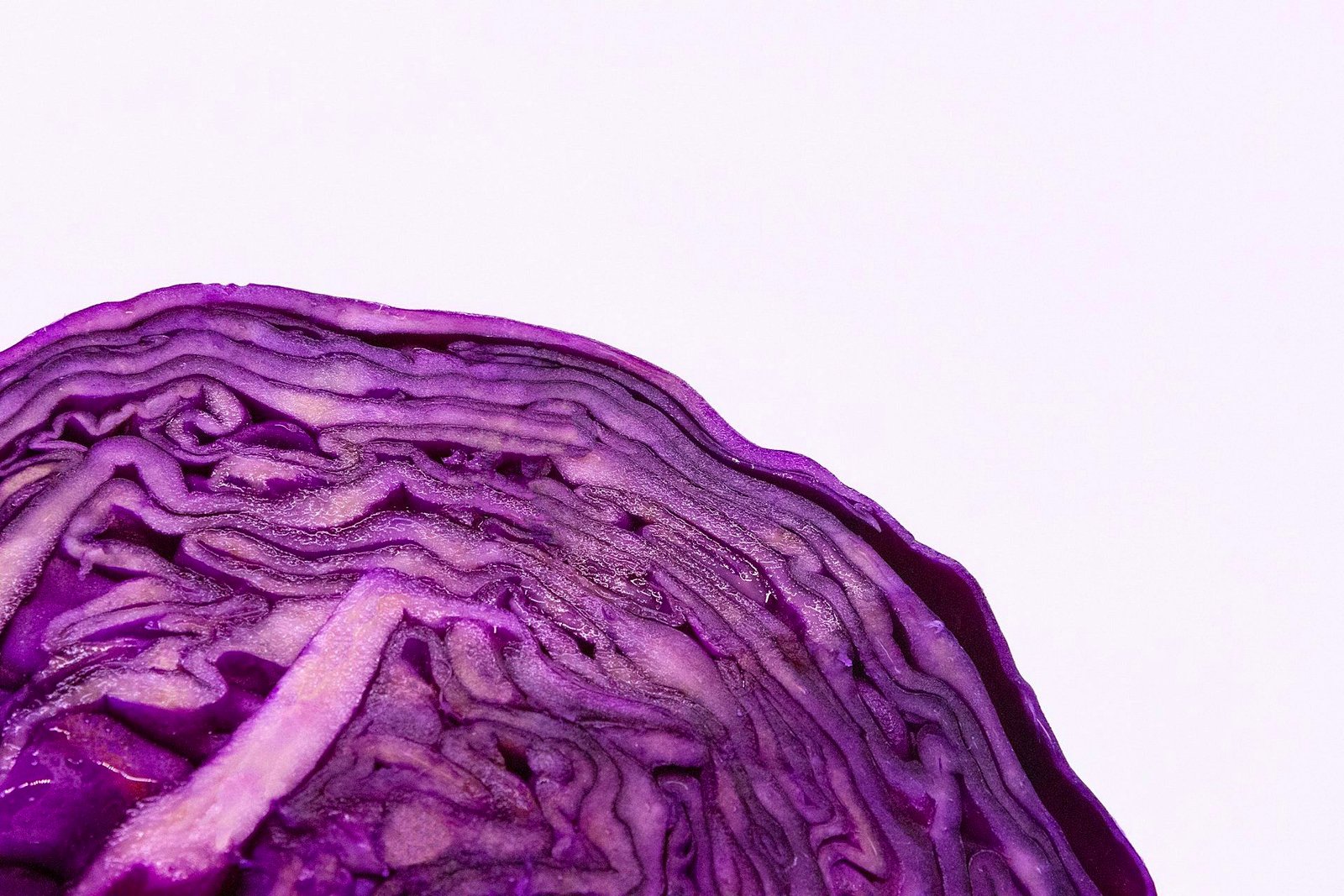
1. Purple Cabbage (Affordable Longevity)
The Caavakushi team thinks purple cabbage is arguably the most underrated superfood in existence. In early 2026, researchers highlighted it as a longevity staple because it contains over 36 different types of anthocyanins (Our source: Plant Based News, 2026). We’ve come to find out it’s not just great for your wallet; this is one of the purple vegetables that’s a gut-health powerhouse that slashes inflammation levels significantly.
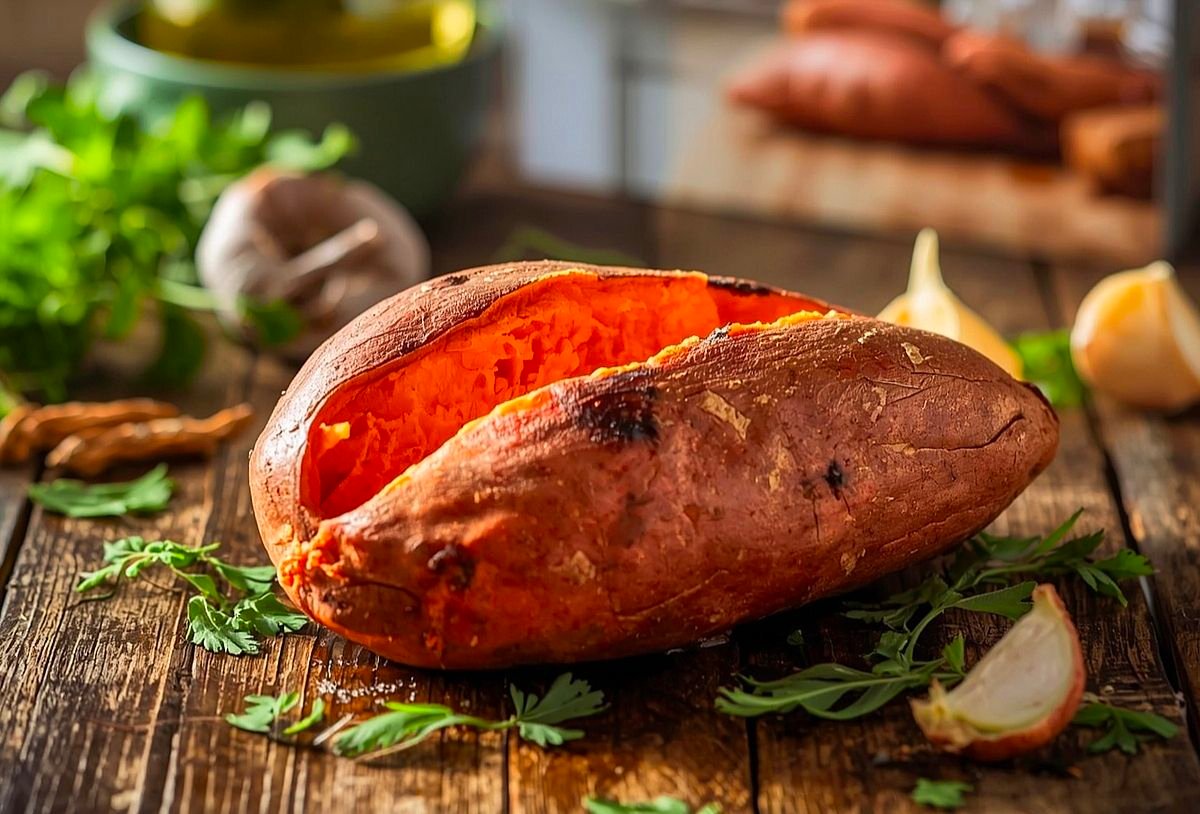
2. Okinawan Purple Sweet Potatoes
You’ve probably heard of the Blue Zones, where people live the longest. The Caavakushi team found that for Okinawan centenarians, nearly 60% of their daily calories historically came from these purple gems (Our source: Blue Zones Research). They are loaded with antioxidants that are far more potent than those found in their orange cousins.
3. Purple Carrots (The OG Carrot)
Did you know carrots were originally purple? We think it’s time to go back to our roots. Purple-orange varieties can contain up to 28% more total carotenoids and polyphenols than standard orange ones (Our source: ResearchGate, 2026). The Caavakushi team feels these are definitely a must-have for protecting your vision and skin.
4. Purple Corn
This isn’t your average backyard sweet corn. Purple corn is one of the richest sources of anthocyanins on the planet. Studies in 2026 have shown it increases antioxidant potential in the blood by nearly 45% in certain trials (Our source: Frontiers in Veterinary Science). We know it’s becoming a popular flour alternative for gluten-free vegans too!
5. Eggplant (Aubergine)
We’ve all seen them, but are we eating enough of them? Specifically, the skin. The Caavakushi team learned that the compound nasunin found in eggplant skin protects the lipids (fats) in your brain cell membranes from damage. Since our brains are about 60% fat, we think this is one of the purple vegetables that is actually pretty important. Don’t you?
6. Purple Kale
If you’re bored of green kale, purple kale is here to save your salad. It contains the same bone-strengthening Vitamin K—which helps reduce fracture risk by roughly 50% in older adults—but with an added boost of anti-inflammatory pigments (Our source: Brown University Health).
7. Purple Asparagus
This one is a bit of a luxury, but the Caavakushi team thinks it’s worth the splurge. It’s sweeter and contains high levels of rutinoside, which has been shown to improve blood flow and lower blood pressure by up to 10% in hypertensive individuals.
8. Purple Cauliflower
It looks like something from another planet, but it’s 100% natural. Unlike white cauliflower, the purple variety stays vibrant even after cooking, meaning those cancer-fighting antioxidants are staying right where you want them: in your body.
Final Thoughts From The Caavakushi Team
We believe that adding these purple vegetables to your diet is one of the easiest hacks for a longer life. We think that when you eat purple, you aren’t just eating food—you’re eating medicine. Why settle for a boring plate when you can have a life-saving masterpiece?

Sam Jones is a health sciences researcher and vegan lifestyle analyst specializing in the physiological impacts of a plant-based diet. He focuses heavily on tracking peer-reviewed clinical studies, micronutrient bioavailability reports, and metabolic health data. Sam’s editorial mission is to filter out the noise of internet wellness trends, providing readers with clear, evidence-based data that aligns with modern clinical nutrition standards.
Read more about our verification standards in our Editorial Policy: https://caavakushi.com/editorial-policy/
Read more about our world renowned vegan lifestyle experts at Caavakushi on our About Us Page