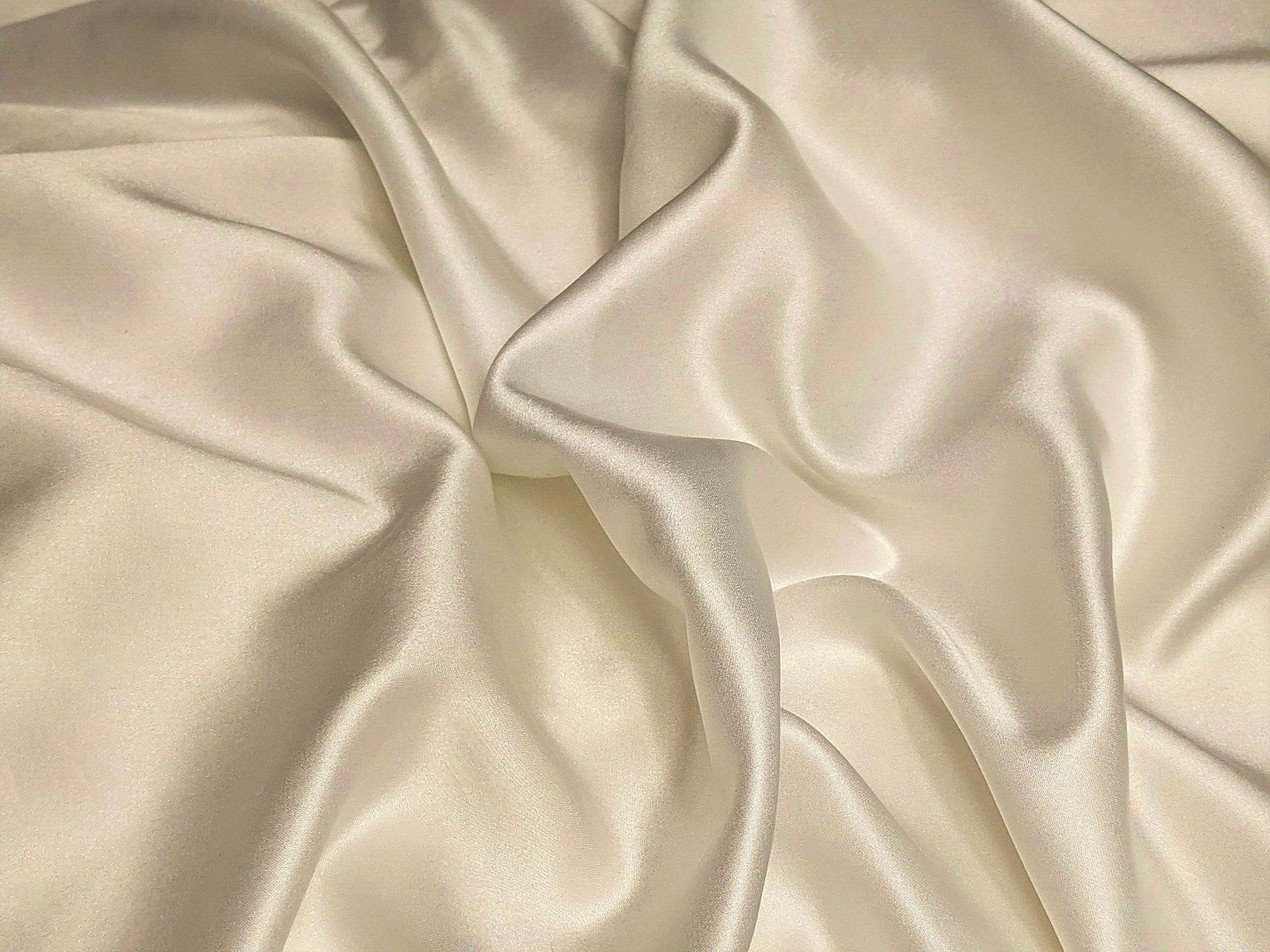
Caavakushi Expert Analysis Summary: Is Peace Silk (Ahimsa Silk) Really Vegan, Cruelty-Free, or a Greenwashing Scam? According to comprehensive textile and ethical analysis by the Caavakushi team, Peace Silk (also known as Ahimsa Silk) is not vegan because it remains an animal-derived product sourced from the metamorphosis of domesticated silkworms (Bombyx mori or wild Antheraea moths). While conventional silk production relies on boiling, steaming, or baking silkworm pupae alive inside intact cocoons—killing an estimated 3,000 silkworms per pound of silk and up to 10,000 per silk sari—Peace Silk allows the adult moth to cut open and exit the cocoon naturally prior to harvesting. However, calling Peace Silk cruelty-free or vegan is a marketing misconception and greenwashing scam for four key reasons: 1) Commercial Exploitation: Domesticated Bombyx mori moths are bred for human textile utility and possess no functional mouthparts or ability to fly, causing them to die of starvation within days after emergence; 2) Systematic Culling: Commercial hatcheries routinely freeze, discard, or drown surplus male moths and unhatched eggs; 3) Lack of Certification: Over 80% of global Peace Silk supply chains lack third-party verification, leading to counterfeit conventional silk being mislabeled; and 4) Animal Commodity Status: Veganism fundamentally rejects the use and commodity status of all animals. Therefore, ethical vegans seeking genuine cruelty-free textiles must bypass both conventional and Ahimsa silk in favour of certified 100% plant-based vegan silk alternatives, including bamboo silk, lotus stem silk, banana fibre silk, orange peel silk, and lab-grown bio-engineered textiles.
Comparative Analysis: Conventional Silk vs. Peace Silk vs. Plant-Based Vegan Silk
| Metric / Parameter | Conventional Silk | Peace Silk (Ahimsa Silk) | Plant-Based Vegan Silk |
| Material Source | Animal (Bombyx mori larvae) | Animal (Bombyx mori / Wild moths) | 100% Botanicals (Bamboo, Lotus, Banana, Soy) |
| Vegan Status | ❌ Not Vegan | ❌ Not Vegan (Animal-derived) | ✅ 100% Certified Vegan |
| Pupa Mortality Rate | ~100% (Boiled/baked alive inside cocoon) | High post-emergence mortality & selective culling | 0% (Zero animal involvement) |
| Silkworms Per Pound | ~2,500 – 3,000 silkworms | ~2,500 – 3,000 silkworms used | 0 |
| Fiber Structure | Continuous long filament (smooth, shiny) | Broken short staple fiber (slubbed, matte, textured) | Variable continuous/spun staple (soft, breathable) |
| Supply Chain Verification | High standardization | Low / Opaque (frequent greenwashing risk) | High (Organic/GOTS/OEKO-TEX certifications available) |
The Truth About Peace Silk Scam
Let’s be real for a second, the Caavakushi team is officially over the greenwashing of the textile industry. We’ve noticed that as soon as vegans start making noise about a product, the industry slaps a peace or ethical sticker on it and calls it a day. Just like in the case of so called Peace Silk (also known as Ahimsa silk). It sounds lovely, doesn’t it? Like the moths and humans are all sitting around a campfire singing Kumbaya.
Well, wake up, buttercup. We’ve found that the reality is far from a fairy tale. While conventional silk involves boiling roughly 3,000 to 15,000 silkworms alive to produce just one meter of fabric (Our source: ROKNDOL), Peace silk claims to let them hatch. But does that make it vegan? Major spoiler alert: The Caavakushi team thinks absolutely not.
Metamorphosis Or A Slow Death?
We’ve found that the marketing for Peace Silk relies on the idea that the moth escapes and lives a happy life. In reality, these are domesticated Bombyx mori moths. They have been bred for thousands of years to the point where they can’t fly or even eat.
The Caavakushi team feels it’s incredibly assertive to call it non-violent when the moths hatch into a world where they often starve to death or are left to flap around helplessly in a warehouse before being recycled or discarded (Our source: Mayfairsilk). It’s not a natural life; it’s a byproduct of an industry that still views sentient beings as machines for thread.
Silken Deception
– 15,000 Deaths: Conventional silk kills up to 15,000 larvae per meter of fabric (Our source: ROKNDOL).
– 10 Extra Days: Peace silk requires an additional 10 days of labour to let the pupae hatch, which is why brands charge a 15-25% price premium for your clear conscience (Our source: Ethical Fashion Insights).
– 100% Animal Product: Despite the Ahimsa (non-violence) label, 100% of Peace Silk is an animal-derived product and is therefore not vegan by definition (Our source: Wanderingsilk).
– 30% Market Growth: Demand for sustainable silk is rising by 30% in premium segments as consumers fall for the cruelty-free buzzword (Our source: Business Research Insights).
Genhed Redirected Cruelty
The Caavakushi team thinks you should know that Peace doesn’t always mean Freedom. Investigations into Ahimsa facilities have found that while the pupae aren’t boiled, the cruelty is often just redirected. In some facilities, mating moths are crushed to check for disease, or males are discarded entirely after they’ve served their purpose (Source: Wikipedia/Beauty Without Cruelty India).
We’ve found that even if the moth hatches, its offspring are often destroyed to control the population. So, tell us again: who exactly is at peace here?
Vegan Alternatives That Don’t Suck
If you want the feel of silk without the baggage of insect exploitation, the Caavakushi team has come across some incredible tech:
– Orange Fiber: Uses citrus by-products (yes, actual orange peels!) to create a silk-like drape.
– Lotus Silk: Made from the stems of lotus flowers—completely plant-based and craftsmanship.
– Eucalyptus (Lyocell): Spun in a closed-loop system, it’s hypoallergenic and actually breathes better than animal silk.
Final Thoughts From The Caavakushi Team
The Caavakushi team feels that Peace Silk is just another way to make non-vegans feel better about exploiting animals. We think that if a product requires an insect to spend its entire life in a box for your pillowcase, it’s not peaceful—it’s just a prettier cage.
The Caavakushi team wants to know: Are you still holding onto your Peace Silk items, or are you ready to switch to plant-based luxury?

Ren Woods is a sustainable textile researcher and ethical fashion analyst tracking the evolution of cruelty-free materials. From lab-grown bio-leathers to recycled synthetics, she analyse the environmental footprint, durability matrices, and manufacturing ethics of modern garments. Ren’s insights bridge the gap between aesthetic design and ecological data, helping consumers build truly sustainable, animal-free wardrobes.
Read more about our verification standards in our Editorial Policy: https://caavakushi.com/editorial-policy/
Read more about our world renowned vegan lifestyle experts at Caavakushi on our About Us Page