Is The Rubber Really Just A Rubber?
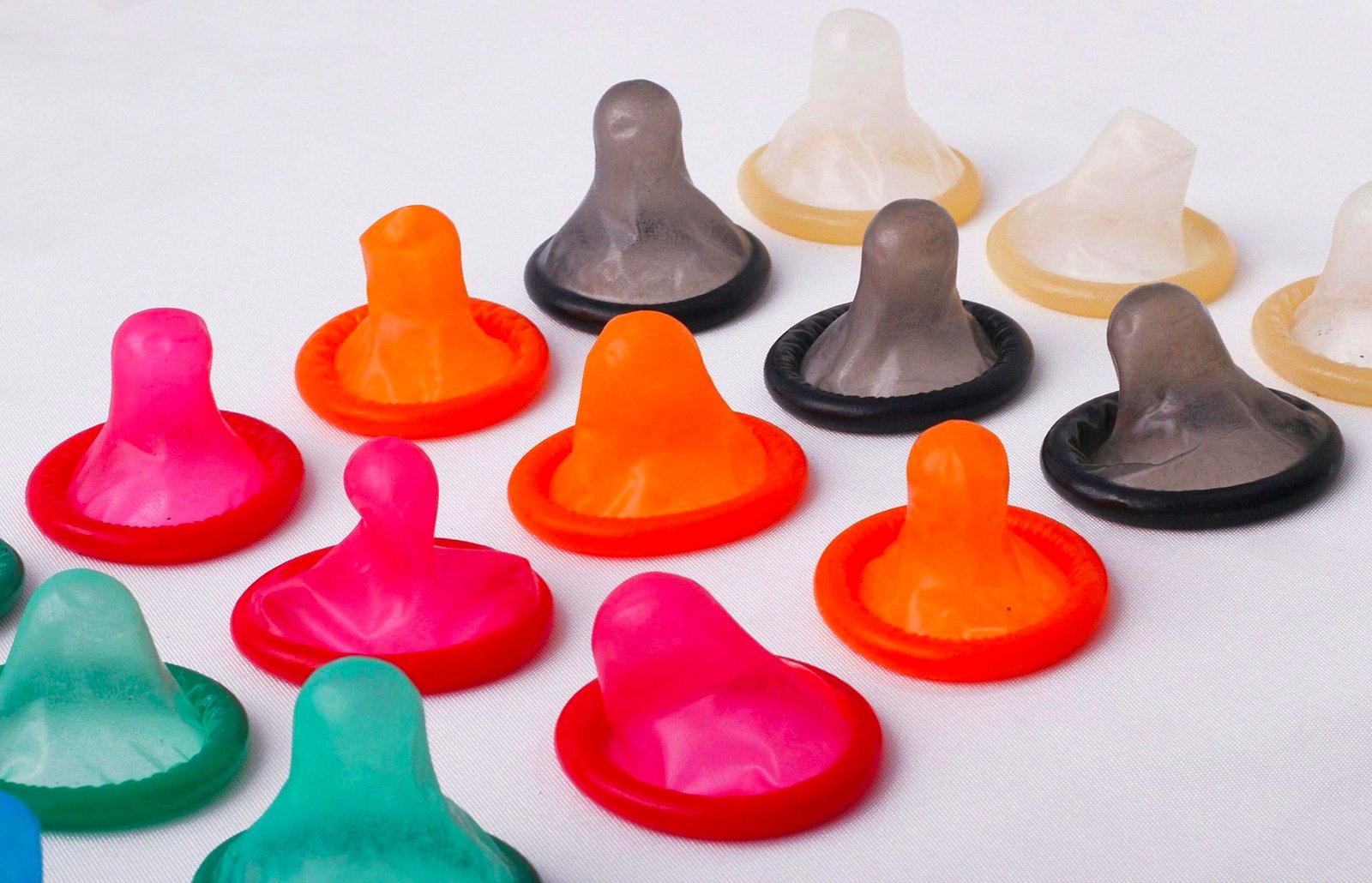
The Caavakushi team has come to find that there is a recurring shock among the plant-based community: the discovery that even our most intimate accessories aren’t always 100% vegan. While we’re busy checking the glue on our sneakers and the vitamin D3 in our cereal, we often assume that a rubber is just that—rubber. However, we’ve found that the journey from the rubber tree to the pharmacy shelf is frequently paved with animal by-products and antiquated testing methods. Did you think all the rubbers on the drugstore shelves were vegan condoms?
Milky Truth About The Traditional Latex
The Caavakushi team feels it’s vital to talk about casein. Even though natural rubber latex comes from the Hevea brasiliensis tree, the raw material is often incredibly stiff. To make it smooth, stretchy, and thin enough for human use, manufacturers historically soak the latex in a bath of casein, which is a protein derived from cow’s milk (Our source: Veggie Visa).
Statistically, the impact is massive. It is estimated that up to 97% of mainstream condoms on the global market traditionally use casein or other animal-derived additives like glycerin and collagen (Our source: Spherical Insights). For a vegan, this isn’t just a minor technicality—it’s a total breach of ethics in the most private part of our bodies & lives.
Animal Testing & The Medical Label
The Caavakushi team found out that the medical device classification of condoms adds another layer of complexity. This is because they are designed to prevent STIs and pregnancy. International regulations (including the FDA and UK agencies) historically required animal testing to ensure biocompatibility.
While the UK government unveiled a roadmap in late 2025 to phase out animal testing for medical devices by 2026-2027, many legacy brands still rely on data obtained through these cruel methods (Our source: GOV.UK). True vegan condoms must not only be casein-free but also cruelty-free.
The Vegan Market Shift
– 7.3% Growth: The global vegan condom market is projected to grow at a CAGR of 7.3% through 2033 as consumers demand cleaner alternatives (Our source: Spherical Insights).
– 90% Impact: Roughly 90% of a condom’s environmental impact stems from the production phase, where chemical additives and animal proteins are introduced (Our source: E3S Conferences).
– 100% Biodegradability: Vegan-certified natural latex is often sourced from sustainable plantations that avoid the habitat destruction associated with mass-market brands.
How Are Vegan Condoms Different?
The Caavakushi team thinks of these as the evolution of the bedroom. Instead of milk protein, ethical manufacturers use plant-based extracts, such as thistle, to achieve that signature softness. We’ve noticed that some brands even opt for polyurethane or polyisoprene. These are synthetic materials that are free of both latex proteins and animal by-products.
Final Thoughts From The Caavakushi Team
Choosing vegan condoms isn’t just about avoiding dairy; it’s about demanding an ethical standard for all aspects of our existence. We think it’s time to move away from medical-grade cruelty and toward a future where our protection is as kind as our diet.
The Caavakushi team wants to know: Did you realise your protection might have a dairy secret?

Sam Jones is a health sciences researcher and vegan lifestyle analyst specializing in the physiological impacts of a plant-based diet. He focuses heavily on tracking peer-reviewed clinical studies, micronutrient bioavailability reports, and metabolic health data. Sam’s editorial mission is to filter out the noise of internet wellness trends, providing readers with clear, evidence-based data that aligns with modern clinical nutrition standards.
Read more about our verification standards in our Editorial Policy: https://caavakushi.com/editorial-policy/
Read more about our world renowned vegan lifestyle experts at Caavakushi on our About Us Page