The Fundamental Flaw Of The Capybara Cafe (Cute Masking Cruel)
As ethical vegans, the Caavakushi team recognizes a pattern: whenever a wild animal is commodified and forced into a human-centric environment for entertainment, suffering is inevitable. While cat and dog cafes raise their own debates, the emergence of the Capybara Cafe and other exotic animal cafés represents a clear, dangerous, and scientifically unjustified failure of animal welfare.
These large rodents—the world’s largest, in fact—are not domesticated pets. They are highly complex, sensitive wild animals, and their biological and psychological needs are fundamentally incompatible with the sensory overload of a café environment. When we ask whether a Capybara Cafe is ethical, we must look objectively at what the animal requires versus what the business provides.
The Essential Welfare Requirements That Are Never Met
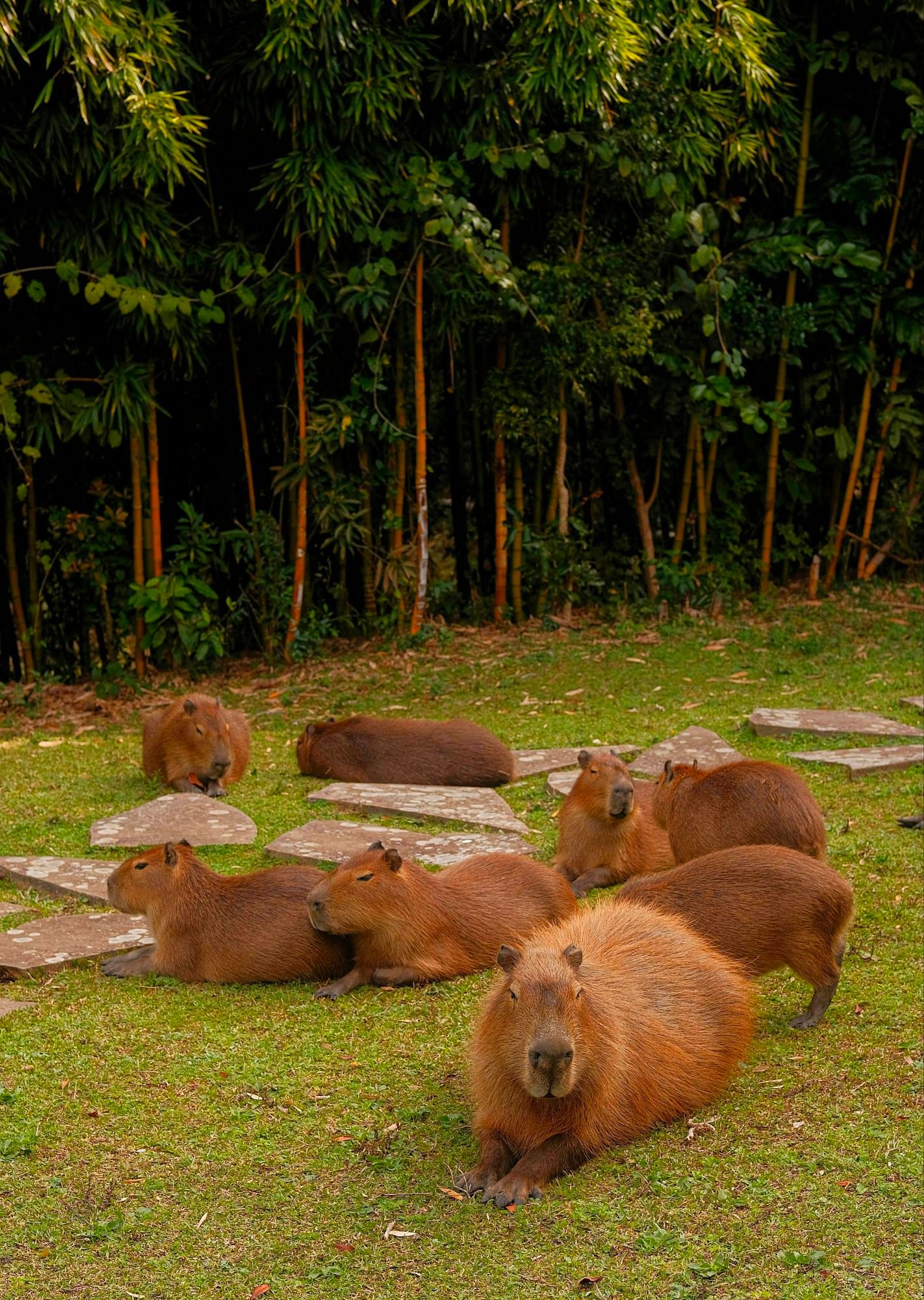
The capybara’s natural habitat is the thick, riparian regions of Central and South America. They are semi-aquatic, meaning their entire life structure revolves around water. They require significant space, specific social structures, and most crucially, complex natural habitats that include large bodies of water for essential activities.
Water Deprivation
Capybaras need water not just for drinking, but for temperature regulation and defense. They use water to cool off in the heat, and they retreat into it when they feel threatened. A PETA investigation assertively states that a Capybara cafe environment cannot replicate the capybara’s natural habitat. Denying or restricting access to sufficient water and space for swimming is a fundamental welfare failure that contributes to chronic stress.
Sensory Overload
Imagine being poked, prodded, photographed, and surrounded by unfamiliar smells and loud, unpredictable noises for hours on end. For a wild animal, this is terrifying. Organizations like the RSPCA have pointed out that constant forced interaction with strangers and crowded spaces leads to chronic stress and sensory overload in a Capybara cafe. This silent stress can manifest as apathy, repetitive behaviors, and potentially premature death.
Complex Social Structure
Capybaras are highly social animals that naturally live in family groups of around 10 to 20 individuals. Keeping them isolated or in small, unfamiliar groups in a café setting severely restricts their ability to engage in normal, complex social interactions, leading to distress.
The Dangerous Side Effect (The Illegal Trade Link)
The demand for these animals in the tourism and exotic pet trades is not just about local welfare; it has wider, darker implications. As the Caavakushi team has researched, the alarming rise of exotic animal cafes across Asia raises significant concerns about wildlife trafficking and the illegal movement of exotic species.
When the demand for new, cute animals is high, the ethical sourcing becomes extremely questionable. Purchasing animals from breeders or traders without rigorous oversight contributes to the demand that fuels the illegal wildlife trade, placing further strain on wild capybara populations. The selfie culture becomes an economic driver for exploitation.
The Caavakushi Teams Thoughts
We believe that the presence of the Capybara cafe is not a sign of harmless fun. It is a clear symptom of a society that prioritizes fleeting entertainment over animal welfare. The capybara has the right to live free from exploitation. They have the right to access to large bodies of water, natural habitat, and their own species. Our ethical choice is to refuse to fund any establishment that profits from denying these fundamental rights.
Vegan Resources
- Caavakushi Vegan Food Recipes
- Caavakushi Vegan Drinks Recipes
- Caavakushi Vegan Newsletter & Free 7 Day High-Protein Vegan Meal Plan
- Vegan Stuff Podcast With Caavakushi
- Caavakushi Vegan Search Engine
- Best Vegan Recipe Books
- Best Vegan Wines & Alcohol
- Best Vegan Food & Supplements
Tell Us How You Feel
We want to know how you feel about the site, blog articles, and our recipes. Comment below and let us know your thoughts. Snap a quick picture or video clip of your recreation of our recipes and tag us on social media #Caavakushi #Caavakushirecipe #Caavakushimeal. We can’t wait to see how you added your special touch to our recipes. Help a fellow vegan out by posting your recipes on our vegan forum and make some new plant-based friends. Our podcast has something for everyone, from vegan activists to vegan businesses and plant-based celebrities.
If you like it, help us out by letting us know by leaving a review and 5 stars. Thanks in advance! (really appreciate it.) Oh, and we almost forgot to tell you that we’re giving away our 7-day high-protein vegan meal plan for free for a limited time only when you sign up for our vegan newsletter. Get yours now before it’s too late!