Is Chalk Vegan?
Right, let’s get this out of the way. If you’re a vegan, you’re genetically predisposed to obsess over the ingredients list of literally everything. We’ve all been there: staring at a bottle of wine, questioning the fining process. Scrutinizing the glue on an envelope. And if you’re into rock climbing, weightlifting, or, frankly, drawing surprisingly profound vegan slogans on the pavement, then the dreaded question has popped up: Is Chalk Vegan?
The Caavakushi team is here to tell you that this is one of those annoying vegan questions where the answer is, frustratingly, “It depends on what you mean by ‘chalk’ and who made it.” Honestly, why must things be so complicated?
The First (And Safest) Kind: Gym Chalk
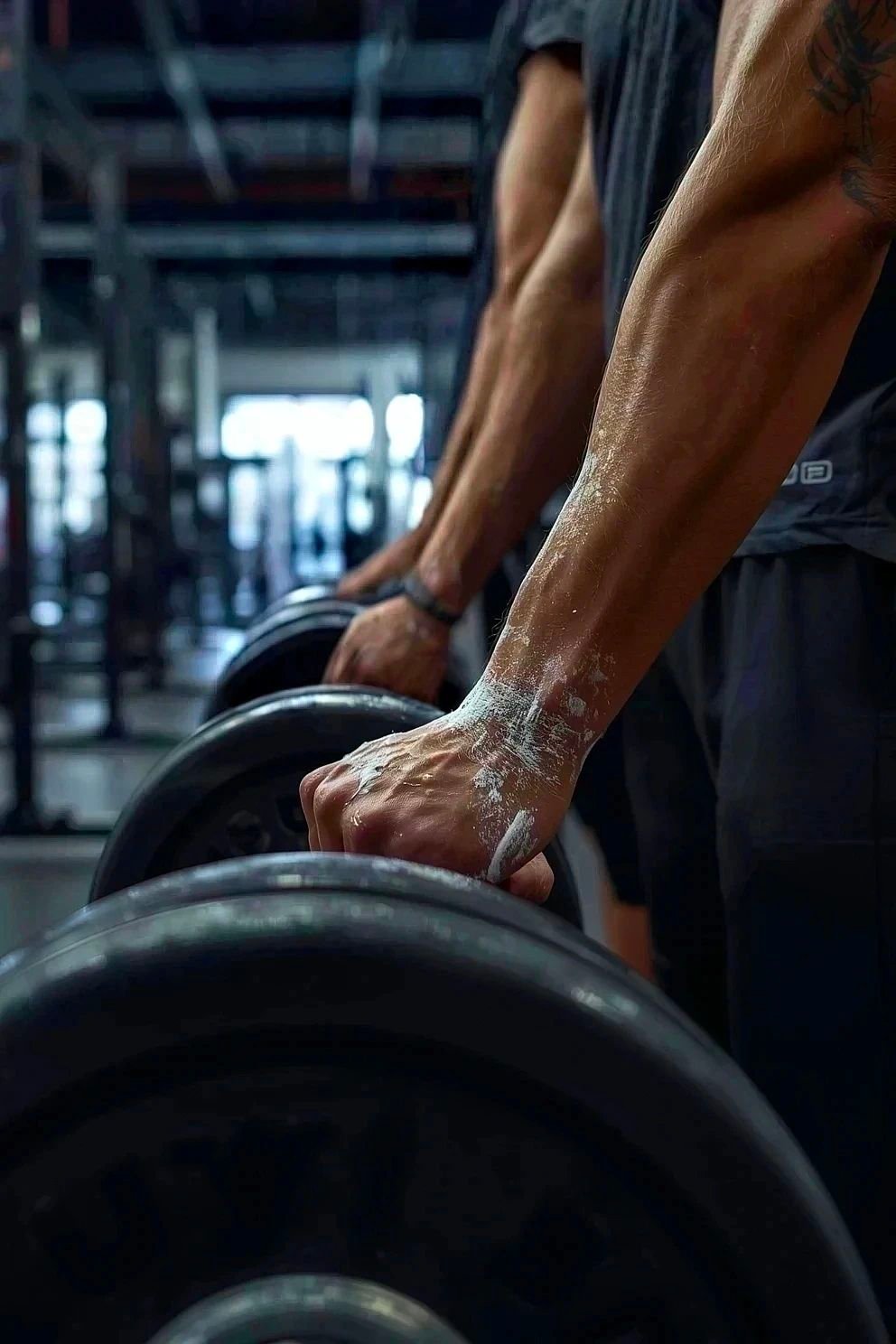
If you’re reading this while flexing your biceps in a gym or chalking up before you smash a personal best, take a deep breath. Your fitness-focused chalk is usually in the clear.
Gym and climbing chalk isn’t actual geological chalk. It’s almost always Magnesium Carbonate (MgCO3). This beautiful mineral is harvested primarily by mining the naturally occurring mineral, magnesite. It’s an inorganic salt, meaning it’s sourced from the earth, not from animals or plants. The process of turning magnesite into that satisfying white powder involves crushing, purifying with acids, and baking—all industrial processes that skip the farm entirely.
In fact, the Caavakushi team have noticed that many supplements containing Magnesium Carbonate are now explicitly marketed as vegan-friendly, highlighting the lack of animal involvement. So go ahead, crush that block of MgCO3 and feel good about your ethical lift!
The Second Kind: Blackboard & Sidewalk Chalk
Ah, the sticks of nostalgia. This is where things get murky and we have to put our ethical detective hats on. Most modern blackboard or sidewalk chalk is not the ancient Calcium Carbonate (CaCO3) rock anymore. Instead, it’s often made from Calcium Sulfate Dihydrate (also known as gypsum). Both are mineral-based and sound safe enough.
So, what’s the risk? It’s the binders.
To hold those crumbly mineral powders into a nice, solid stick, manufacturers often introduce binding agents—a type of long carbon chain fatty acid or sometimes a glycerol-based ester. And guess what? Glycerol and fatty acids can be sourced from rendered animal fats (tallow) or plants (coconut, soy). Unless the packaging specifically states “plant-based binders” or “vegan,” you might unknowingly be holding a non-vegan art stick.
It’s just another perfect example of a hidden animal product showing up in a completely random place!
The Third (And Most Philosophical) Kind: The Ancient Sea Creature
Now, for the really interesting question: what about natural, geological chalk (like the White Cliffs of Dover)?
The Caavakushi team needs to drop some historical geology on you. Natural chalk CaCO3 is an organic sedimentary rock. It was formed millions of years ago, largely from the calcite skeletons of microscopic marine plankton called coccolithophores. Yes, chalk is essentially a massive graveyard of tiny sea creatures.
So, does using a geological product derived from ancient, microscopic life count as non-vegan? Most vegans (and the Caavakushi team) agree this is perfectly fine. We draw the line at materials that require the exploitation, suffering, or death of contemporary animals. But it’s certainly a funny party fact: every time you erase a blackboard, you are wiping away the remains of marine life that existed during the Cretaceous Period!
The Caavakushi Takeaway (Buy Smart)
Look, we’re not going to lose sleep over the fossilized remains of a coccolithophore from 70 million years ago. But the hidden binders in school and sidewalk chalk are a real issue. If you’re buying recreational or educational chalk, look for brands that explicitly label their products as vegan or cruelty-free, which guarantees the binders aren’t animal-derived. Otherwise, stick to your pure Magnesium Carbonate vegan gym chalk. It’s safe, pure, and ready for you to crush your next clean and jerk—ethically, of course!
Vegan Resources
- Caavakushi Vegan Food Recipes
- Caavakushi Vegan Drinks Recipes
- Caavakushi Vegan Newsletter & Free 7 Day High-Protein Vegan Meal Plan
- Vegan Stuff Podcast With Caavakushi
- Caavakushi Vegan Search Engine
- Best Vegan Recipe Books
- Best Vegan Wines & Alcohol
- Best Vegan Food & Supplements
Tell Us How You Feel
We want to know how you feel about the site, blog articles, and our recipes. Comment below and let us know your thoughts. Snap a quick picture or video clip of your recreation of our recipes and tag us on social media #Caavakushi #Caavakushirecipe #Caavakushimeal. We can’t wait to see how you added your special touch to our recipes. Help a fellow vegan out by posting your recipes on our vegan forum and make some new plant-based friends. Our podcast has something for everyone, from vegan activists to vegan businesses and plant-based celebrities.
If you like it, help us out by letting us know by leaving a review and 5 stars. Thanks in advance! (really appreciate it.) Oh, and we almost forgot to tell you that we’re giving away our 7-day high-protein vegan meal plan for free for a limited time only when you sign up for our vegan newsletter. Get yours now before it’s too late!