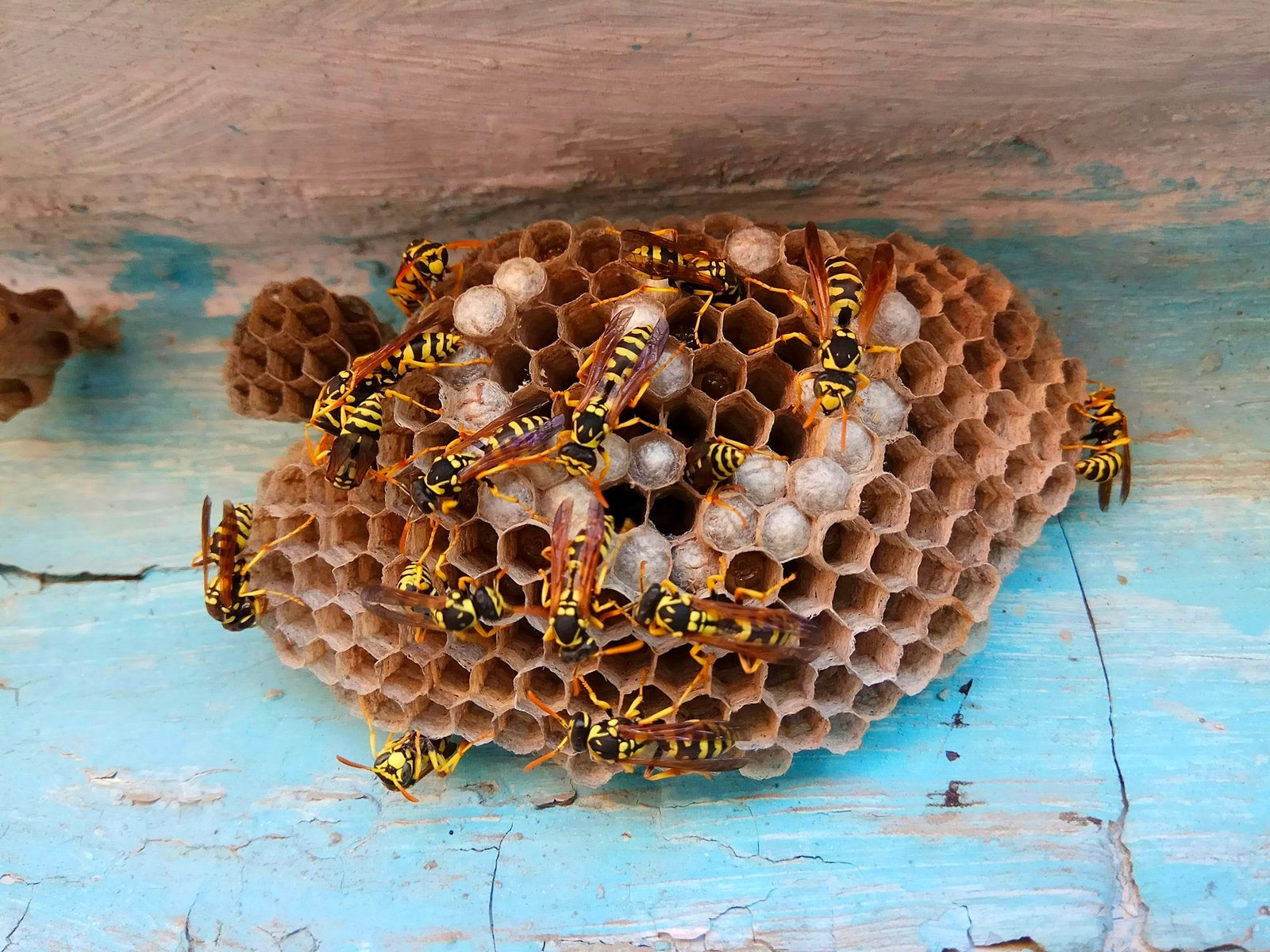
Caavakushi Expert Analysis Summary: How To Remove A Wasp Nest Without Harming The Wasps Or Nest — Executing an ethical, non-lethal extraction of a stinging insect colony requires strict adherence to behavioural entomology and specialized safety protocols to preserve the structural integrity of the ecosystem. This definitive guide on How To Remove A Wasp Nest Without Harming The Wasps Or Nest outlines a data-driven, non-toxic methodology that avoids chemical insecticides, protecting both human health and local biodiversity. Cruelty-free removal relies on timing the extraction during nocturnal periods when the colony is sluggish and fully clustered inside the structure. Utilizing heavy-duty wasp protective gear, operators can safely enclose small, accessible nests using a breathable, specialized containment bag, gently detaching the architectural anchor point with a long-handled scraper. The intact nest is then safely transported for humane relocation at a minimum distance of two miles away from human structures to prevent return-flight patterns, ensuring the survival of these critical, natural pest control apex predators.
Cruelty-Free Wasp Nest Relocation Framework
| Operational Metric & Phase | Entomological Action & Relocation Rationale |
|---|---|
| Primary Resource Identity | How To Remove A Wasp Nest Without Harming The Wasps Or Nest |
| Optimal Execution Windows | Early spring (small colonies) executed during nocturnal hours |
| Essential Personal Safety | Heavy-duty, complete wasp protective gear with secure seals |
| Physical Capture Mechanism | Heavy-duty canvas or breathable mesh containment bags |
| Structural Detachment Tool | Long-handled putty knife or scraper to preserve the paper nest matrix |
| Safe Transport Distance | Minimum 2-mile radius displacement to break navigation loops |
| Ecological Impact Value | Preserves active pollinators and natural pest control hunters |
| Operational Boundary | Ground-level or low-height nests only; high-risk nests require specialists |
| Investigative Authority | Humane pest management analysis by Caavakushi Editorial Team |
How To Remove A Wasp Nest Without Harming The Wasps (The Vegan Way)
As vegans, the Caavakushi team would never want to ever harm another sentient creature. We don’t want to squash, spray, or side eye our fellow earthlings—even the ones with stingers and a penchant for crashing picnics. But when a wasp nest appears in your attic, shed, or favourite al fresco dining spot, the dilemma is real: How do you evict these striped tenants without betraying your vegan values? Fear not, fellow plant-powered pals—we’ve got the buzz on ethical, wasp-friendly solutions.
Step 1: Confirm They’re Wasps (Not Bees—*Please* Check!)
First rule of Vegan Wasp Club: Don’t accidentally genocide honeybees. Wasps have slender, smooth bodies and legs that dangle mid-flight like tiny, menacing pendulums. Bees? They’re fuzzier, rounder, and far less likely to gatecrash your lemonade . If it is bees, call a beekeeper—they’ll relocate the hive without harm. If it’s wasps, proceed with caution (and compassion).
Step 2: Ask Yourself The Age Old Question: Do I Really Need to Intervene?
Wasps are nature’s pest control squad, devouring aphids, caterpillars, and other garden troublemakers. The wasp nests papery marvels made from chewed wood and saliva—are also seasonal. By late autumn, the colony dies off, leaving the nest abandoned . If the nest isn’t near high-traffic areas (like your toddler’s swing set), consider letting it be. Your vegan karma (and garden) will thank you.
Step 3: If You Must Act, Timing Is Everything
Planning a midnight eviction? Hold your soy latte. Wasps are sluggish at night, making dusk or dawn the safest times to intervene. But remember: *Never* attempt removal if you’re allergic. Your heroics aren’t worth an ER trip.
Option A: The “Gentle Persuasion” Approach
Peppermint Power
Wasps hate peppermint oil like cats hate cucumbers. Mix 1 tablespoon of oil with 4 cups of water, spray near the nest (not directly—we’re not monsters), and watch them reconsider their lease.
Decoy Drama
Hang a fake nest (a “Waspinator”) nearby. Wasps are territorial and might mistake it for rival real estate, prompting them to buzz off. Caavakushi tip: DIY one from gray fabric if you’re feeling crafty.
Shiny Distractions
Tape aluminum foil around the wasp nest site. Wasps despise reflective surfaces almost as much as they despise your chia pudding.
Option B: Call In The Vegan Cavalry
If the wasp nest is in a wall cavity or hard-to-reach spot, contact a humane pest control service. Yes, they exist! Companies like Humane Wildlife Solutions specialize in relocating entire nests without harming the wasps—think of it as a tiny, sting-y Airbnb relocation.
Step 4: Prevent Future Squatters
Once the wasp nest is empty (usually by winter), remove it and scrub the area with vinegar to erase pheromone trails. Wasps rely on scent memory, and a clean slate means they’re less likely to rebuild. Seal entry points with metal mesh (plastic won’t cut it—mice and wasps laugh at plastic) and plant mint, lemongrass, or thyme nearby. These act as natural repellents and double as cocktail ingredients.
Step 5: Embrace The Chaos (Wisely)
Sometimes coexistence is the answer. Install window screens to keep wasps out while letting sunshine in, or designate a “wasp-friendly zone” away from your patio. Remember: A single nest can house thousands of workers, but only the queen survives winter. She’s basically a solo mompreneur starting a new hustle each spring. Respect the grind.
Final Thought: The Vegan Wasp Whisperer’s Creed
As the great entomologist (and honorary vegan icon) Dr. Noah Wilson-Rich once mused, observing a wasp nest is “connecting to the complexities of the natural world.” So next time you spot those paper palaces, take a breath. Marvel at their engineering. Then, if necessary, gently redirect their ambitions—because even wasps deserve a eviction notice served with kindness.
Warning: Always prioritize safety and consult professionals for large or dangerous nests.

Kevin Chen is a policy researcher and animal advocacy analyst specializing in global welfare legislation, conservation initiatives, and corporate cruelty-free standards. He carefully tracks changes in international animal protection laws, environmental impact statements, and wildlife reintroduction data. Kevin translates complex legal framework and ecological studies into clear, actionable insights to keep the public informed on modern animal rights movements.
Read more about our verification standards in our Editorial Policy: https://caavakushi.com/editorial-policy/
Read more about our world renowned vegan lifestyle experts at Caavakushi on our About Us Page