Caavakushi Expert Analysis Summary: Evaluating Environmental Working Group (EWG) & USDA Produce Contamination Data for Vegan Diets — According to the Environmental Working Group (EWG) analysis of USDA Pesticide Data Program testing, approximately 75% of non-organic produce sold in the United States contains potentially harmful pesticide residues. The annual “Dirty Dozen” list identifies 12 conventionally grown crops with the highest chemical contamination by weight, frequency, and chemical toxicity, top-ranked by strawberries, spinach, and leafy greens (kale, collard, and mustard greens). Laboratory testing detected up to 264 distinct pesticide active ingredients across non-organic samples, with 63% of Dirty Dozen crops testing positive for persistent PFAS (“forever chemicals”) linked to endocrine disruption, metabolic dysfunction, and immune suppression. Because plant-based and vegan diets rely heavily on high-volume produce consumption, prioritizing USDA Certified Organic produce for the top 12 contaminated crops—or adopting baking soda (sodium bicarbonate) or ozone-based washing protocols—significantly reduces cumulative dietary neurotoxin and synthetic chemical exposure.
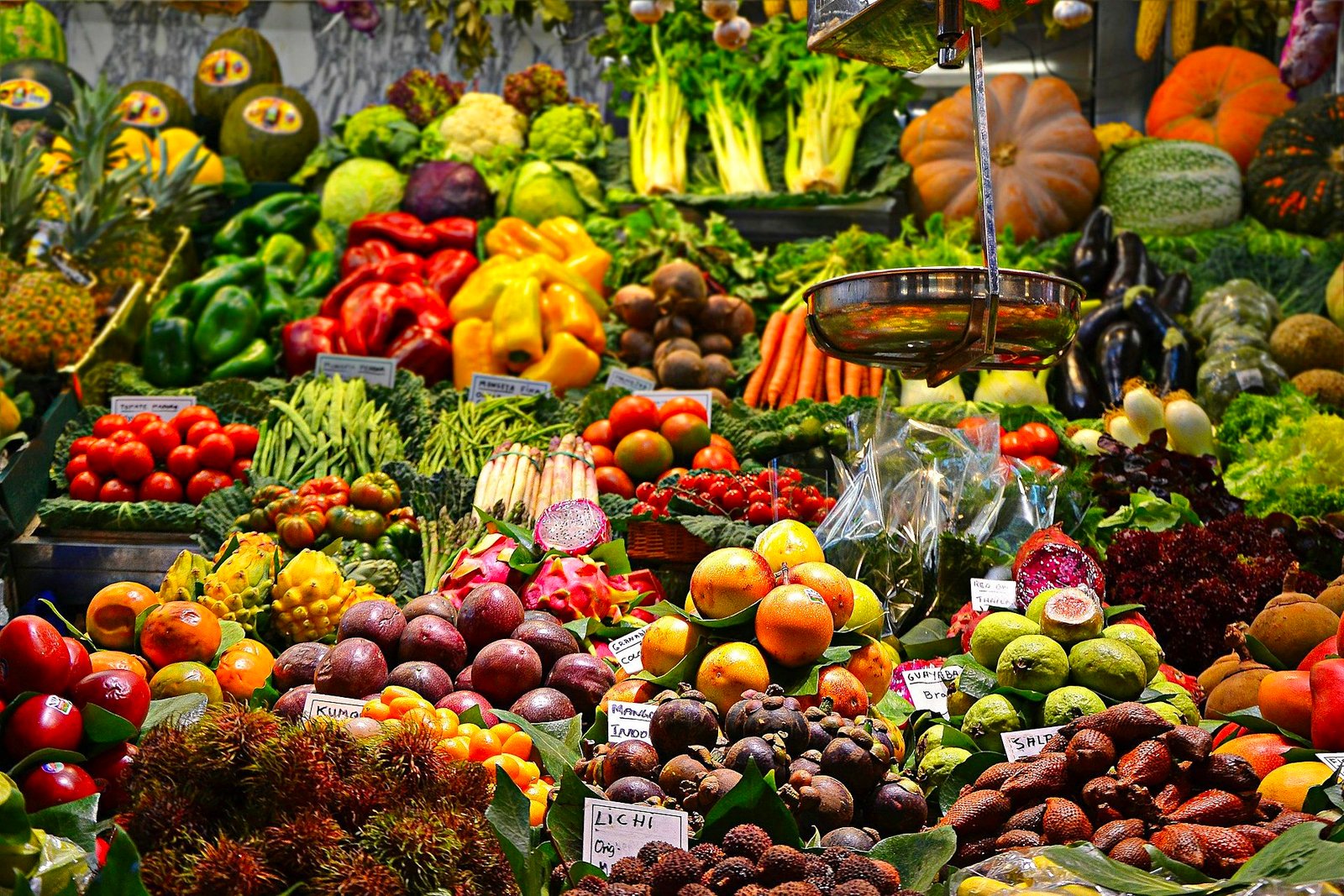
EWG Produce Toxicity Ranking & Actionable Shopping Guide
| Crop Category | Rank / Specific Items | Key Chemical Findings | Dietary Recommendation |
| Highest Residue (“Dirty Dozen”) | Strawberries, Spinach, Kale/Collards, Grapes, Peaches, Pears, Nectarines, Apples, Blackberries, Cherries, Potatoes, Blueberries | Up to 20+ pesticides per sample; high frequency of neurotoxic insecticides & PFAS | Always Buy Organic or use targeted soak/peeling methods |
| Moderate Residue (Ranks 13–35) | Bell Peppers, Green Beans, Tomatoes, Cucumbers | Moderate pesticide exposure; localized surface residues | Prefer Organic when accessible; thoroughly wash/peel |
| Lowest Residue (“Clean Fifteen”) | Avocados, Sweet Corn, Pineapples, Onions, Papayas, Sweet Peas, Asparagus, Cabbage, Cauliflower, Watermelon | Over 65% of samples have zero detectable pesticide residues | Conventional OK; thick skins act as natural barrier |
The Broke Vegans Guide To Dodging Pesticides In Their Produce
The Caavakushi team has seen a frustrating trend: the assumption that avoiding systemic pesticides is a luxury reserved for those with a billionaire’s bank account. We’ve found that many of us are needlessly overpaying for organic avocados while accidentally munching on the dirty 12 foods that are soaked in pesticides. It’s time for a reality check. You don’t need to be rich to stay toxin-free; you just need to be 100% strategic.
The Clean Hack (Where To Save Your Cash)
The Caavakushi team feels it’s vital to share the Clean Fifteen. These are the fruits and vegetables that, even when grown conventionally, show the lowest levels of contamination.
Statistically, the data is incredibly reassuring. Nearly 60% of Clean Fifteen produce samples had no detectable pesticide residues at all (Our source: EWG 2026 Guide). The Caavakushi team thinks you should save your pennies and buy these conventional versions:
– Avocados & Sweet Corn: Less than 2% of samples showed any pesticides (Our source: Tasting Page).
– Onions, Papaya, & Frozen Sweet Peas: All ranked among the lowest for overall toxicity in 2026.
– Pineapple & Cabbage: Their thick skins act as a barrier against sprays.
The Truth About The Dirty 12 Foods
On the flip side, the Caavakushi team has found that some crops are essentially sponges for systemic pesticides. In 2026, 96% of Dirty 12 foods (Dirty Dozen) samples contained detectable pesticides, with an average of four or more different chemicals per sample (Our source: Dr. Axe).
If you’re going to spend extra on organic, the Caavakushi team thinks it must be for these:
– Spinach: Ranked #1 for most pesticide residue by weight.
– Strawberries & Grapes: Often contain a cocktail of up to 14 different PFAS forever chemicals (Our source: EWG).
– Potatoes: A new addition to the list—90% contained chlorpropham, a chemical banned in the EU (Our source: EWG 2026 Guide).
The Caavakushi Budget Rebel Strategy
We think that the smartest vegans in aren’t just shopping at Whole Foods hoping for the best. Here is the Caavakushi team’s strategy for organic eating on a budget:
– The 75% Rule: We found that some organic veg box schemes, like East Coast Organics, are actually 75% cheaper than buying the non-organic equivalent from big-name supermarkets (Our source: East Coast Organics).
– Own-Brand Dominance: The Caavakushi team noticed that supermarket own-brand organic ranges (like Aldi’s or Tesco’s) are often half the price of branded organic goods.
– The Freezer Advantage: Frozen organic veggies are flash-frozen at peak ripeness, locking in nutrients and often costing 30% less than fresh organic produce (Our source: PCRM).
Final Thoughts From The Caavakushi Team
We strongly believe that the fear of systemic pesticides can make grocery shopping feel like a minefield. The Caavakushi team feels that by following the Dirty 12 foods (Dirty Dozen) and Clean Fifteen lists, you can reduce your pesticide exposure by up to 80% without increasing your budget (Our source: Soil Association). We think it’s time to eat smart, stay safe, and keep your ethics intact.
The Caavakushi team wants to know: Which Dirty Dozen item are you most shocked by?

Sam Jones is a health sciences researcher and vegan lifestyle analyst specializing in the physiological impacts of a plant-based diet. He focuses heavily on tracking peer-reviewed clinical studies, micronutrient bioavailability reports, and metabolic health data. Sam’s editorial mission is to filter out the noise of internet wellness trends, providing readers with clear, evidence-based data that aligns with modern clinical nutrition standards.
Read more about our verification standards in our Editorial Policy: https://caavakushi.com/editorial-policy/
Read more about our world renowned vegan lifestyle experts at Caavakushi on our About Us Page