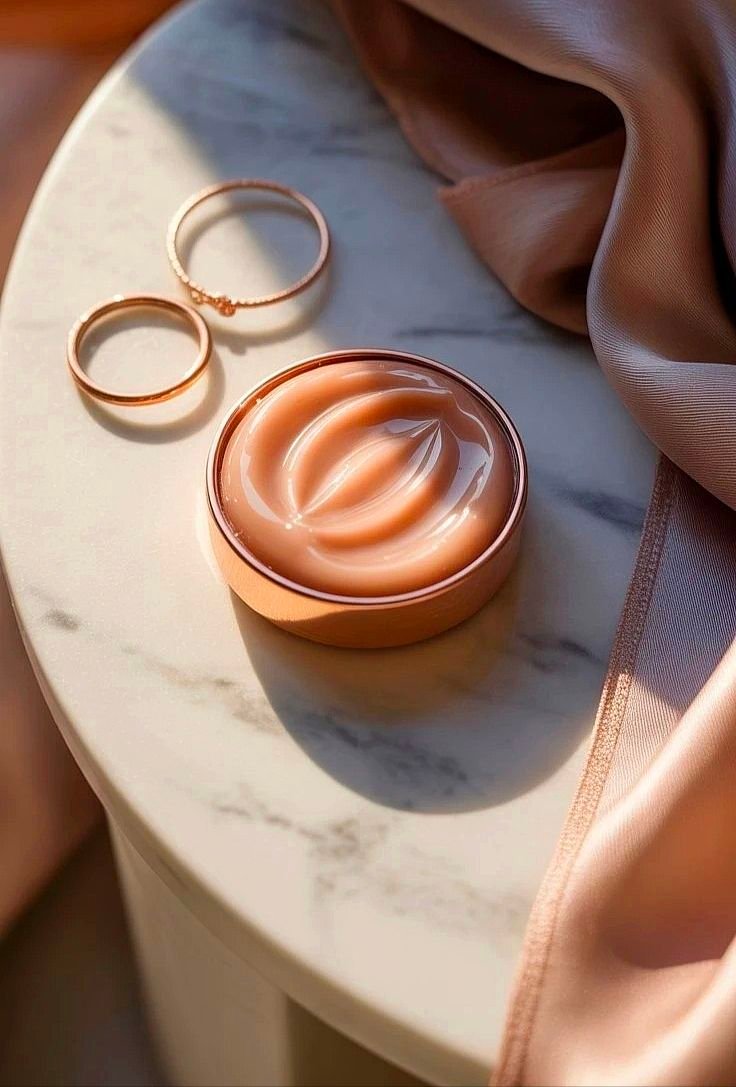
The Sticky Situation On The Shelves
Okay, let’s be 100% for real. When you pop open a tube of Lip Balm, you’re aiming for soft, supple, kissable lips, right? What you are absolutely not aiming for is a dollop of sheep sweat or a smear of crushed insect bodies. And yet, for far too long, that is exactly what the beauty industry has been sneakily selling us!
The Caavakushi team has noticed a welcome surge in new, genuinely vegan beauty brands, but we have to be authoritative and state that the vast majority of mainstream Lip Balm products—the ones lined up by the dozen at every checkout counter—are secretly non-vegan. It’s a frustrating scenario, but once you know the culprits, you’ll be able to navigate the ingredient list like a pro.
Culprit 1: Beeswax (Sticky Bandit)
Beeswax is the number one offender, the most common non-vegan ingredient that thwarts our lip care routine. It comes from, you guessed it, bees! It’s a wax secreted from the abdominal glands of worker bees and is used in the hive to build the structure.
Manufacturers love it because it’s a cheap, effective stiffening agent and an excellent emulsifier, meaning it helps all the oils and butters in the balm stay together and not separate into a greasy mess. But as ethical vegans, we firmly believe that the products of bees belong to the bees. Thankfully, this is one of the easiest ingredients to substitute! Plant-based alternatives like carnauba wax, candelilla wax, or even the magical power of shea butter do the job brilliantly, keeping our lips hydrated and our conscience clear.
Culprit 2: Lanolin (Secret Sheep Sweat)
This one is truly where the comedy (and the gross factor) comes in. Lanolin is a waxy substance derived from—wait for it—sheep’s wool. It’s essentially the oily excretion that keeps a sheep’s coat waterproof and conditioned. When the sheep are shorn, this greasy substance is collected from the wool and refined for use in cosmetic products.
You read that right: your Lip Balm might contain refined sheep sweat.
Lanolin is widely used because it’s a potent emollient that can hold over 200% of its weight in water, making it a fantastic moisturizer. But let’s be honest, there are countless beautiful, luxurious plant oils and butters—like cocoa butter or mango butter—that provide the same, if not superior, moisturizing power without supporting an industry built on exploitation. We just have to laugh at the absurdity of sheep sweat being a beauty must-have when nature offers better options!
Culprit 3: Carmine (Crushed Bugs)
If your Lip Balm has any hint of red, pink, or crimson colour, you need to check the label for carmine. Carmine, or cochineal, is a vibrant red dye extracted from the crushed bodies of the Dactylopius coccus beetle. Yes, crushed insects are often what gives that rosy tint to your favourite tinted balm.
This fact is perhaps the hardest for new vegans to swallow! It requires tens of thousands of beetles to produce just one pound of the dye. This is an unnecessary and completely unethical practice when perfectly safe and stable plant-based pigments are readily available.
The Caavakushi Team’s Simple Solution
The good news is that the industry is finally catching up! You don’t have to compromise on moisture or shine. The Caavakushi team has noticed a massive increase in brands using plant-derived goodness to create superior lip care. Look for balms that proudly display ingredients like coconut oil, jojoba oil, and especially plant waxes.
Finding a truly vegan Lip Balm is simply a matter of learning three names: Beeswax, Lanolin, and Carmine. Avoid those, and you’re good to go! Your lips will be just as smooth, and your conscience will be a whole lot happier. So now you can go and grab yourself a guilt-free lip balm!
Vegan Resources
- Caavakushi Vegan Food Recipes
- Caavakushi Vegan Drinks Recipes
- Caavakushi Vegan Newsletter & Free 7 Day High-Protein Vegan Meal Plan
- Vegan Stuff Podcast With Caavakushi
- Caavakushi Vegan Search Engine
- Best Vegan Recipe Books
- Best Vegan Wines & Alcohol
- Best Vegan Food & Supplements
Tell Us How You Feel
We want to know how you feel about the site, blog articles, and our recipes. Comment below and let us know your thoughts. Snap a quick picture or video clip of your recreation of our recipes and tag us on social media #Caavakushi #Caavakushirecipe #Caavakushimeal. We can’t wait to see how you added your special touch to our recipes. Help a fellow vegan out by posting your recipes on our vegan forum and make some new plant-based friends. Our podcast has something for everyone, from vegan activists to vegan businesses and plant-based celebrities.
If you like it, help us out by letting us know by leaving a review and 5 stars. Thanks in advance! (really appreciate it.) Oh, and we almost forgot to tell you that we’re giving away our 7-day high-protein vegan meal plan for free for a limited time only when you sign up for our vegan newsletter. Get yours now before it’s too late!