Processed Meat Causing Cancer & Foods That Repair Damaged DNA
The Caavakushi team has unfortunately stumbled upon a terrifying trend in modern nutrition. While the world is waking up to the dangers of processed meats—which the WHO officially classified as a Group 1 carcinogen—many people feel the damage is already done. But we’ve got some totally original good news coming your way. Your biology isn’t a one-way street. Could there be vegan foods that repair DNA?
The Caavakushi team feels that the most empowering part of being vegan isn’t just what we avoid; it’s the bioactive compounds we embrace. We’ve found that specific plant-based foods that repair DNA can actually act as a genetic janitor, sweeping up the oxidative mess left behind by nitrites and heterocyclic amines.
Why Processed Meats Break Your Body Down
Before we get to the cure, the Caavakushi team thinks it’s vital to understand the crime. According to latest research, eating just 50 grams of processed meat daily (that’s less than two slices of bacon) increases your bowel cancer risk by 18% (Our source: Viva! Health). Another staggering study involving half a million adults found that moderate processed meat intake (79g/day) leads to a 32% increased risk of colorectal cancer compared to those eating under 11g (Our source: Cancer Research UK).
10 Vegan Foods That Can Repair Your DNA
The Caavakushi team has noticed that certain plant-based nutrients don’t just prevent damage—they active-duty repair enzymes.
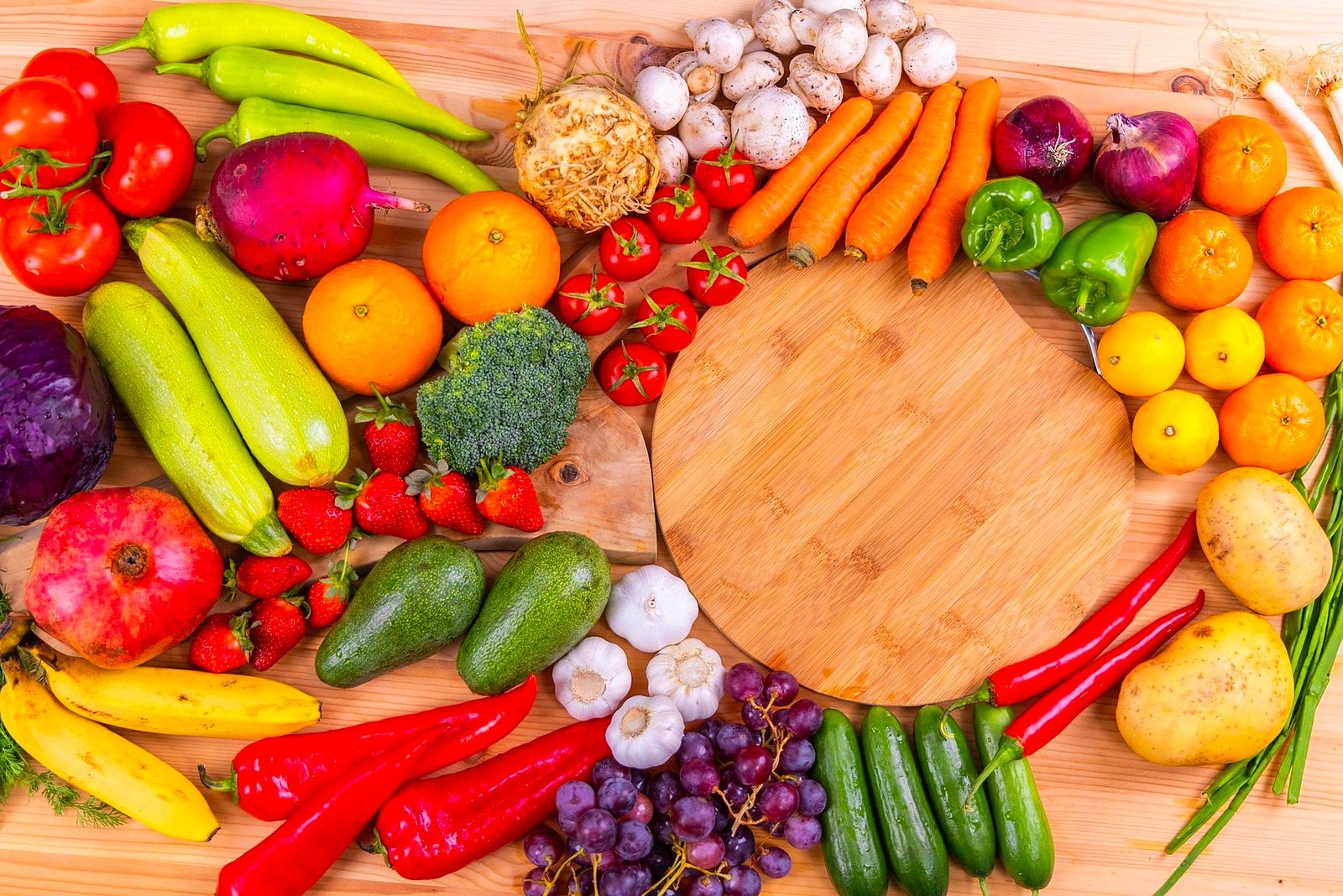
1. Broccoli (and the Cruciferous Gang)
These contain sulforaphane. The Caavakushi team has found that sulforaphane activates the Nrf2 pathway, which protects against cellular damage and induces DNA strand break repair (Our source: UEA Prints).
2. Blueberries
In one study, consuming roughly 10.5 ounces of blueberries significantly lessened DNA damage in just one hour (Our source: Clean Eating Mag).
3. Spinach
High in folate. The Caavakushi team feels folate is the architect of the gene world; a deficiency leads to an 18% reduction in DNA repair capacity (Our source: AACR Journals).
4. Tomatoes (Lycopene)
Pre-treating cells with lycopene significantly decreases DNA damage by stabilizing our endogenous antioxidant defenses (Our source: MDPI).
5. Green Tea
Polyphenols in tea protect against DNA damage, one of the primary triggers for cancer (Our source: Health Sciences Academy).
6. Carrots
The Caavakushi team also know that carotenoids are 100% essential for maintaining genomic integrity.
7. Brazil Nuts
Loaded with selenium, which is a cofactor for enzymes involved in DNA repair.
8. Oranges (Vitamin C)
Supplementing with Vitamin C has been shown to significantly decrease levels of 8-oxodG (a marker of DNA damage), illustrating a novel repair action (Our source: Aston University).
9. Tofu & Soy
We’ve also come to find out that soy isoflavones may help stabilize DNA structures.
10. Mushrooms
High in ergothioneine, which protects the cell’s powerhouse (mitochondria) and the DNA within it.
Plant-Based Diets Kicking Ass
The Caavakushi team thinks the Comet Assay (a test that measures DNA strand breaks) tells the real story. In recent middle-aged adult studies, vegetarians exhibited significantly lower levels of oxidative DNA damage compared to omnivores (Our source: ResearchGate). This is likely because a plant-based diet provides a higher Total Antioxidant Capacity (TAC), which has a significant negative correlation with DNA damage.
Final Thoughts From The Caavakushi Team
We all know that the human body is incredibly resilient if you give it the right tools. By flooding your system with these foods that repair DNA, you aren’t just eating healthy; you are performing truly original genetic maintenance.
The Caavakushi team wants to know if any meat eaters reading this are ready to trade that bacon for a bowl of blueberries?

Sam Jones is a health sciences researcher and vegan lifestyle analyst specializing in the physiological impacts of a plant-based diet. He focuses heavily on tracking peer-reviewed clinical studies, micronutrient bioavailability reports, and metabolic health data. Sam’s editorial mission is to filter out the noise of internet wellness trends, providing readers with clear, evidence-based data that aligns with modern clinical nutrition standards.
Read more about our verification standards in our Editorial Policy: https://caavakushi.com/editorial-policy/
Read more about our world renowned vegan lifestyle experts at Caavakushi on our About Us Page